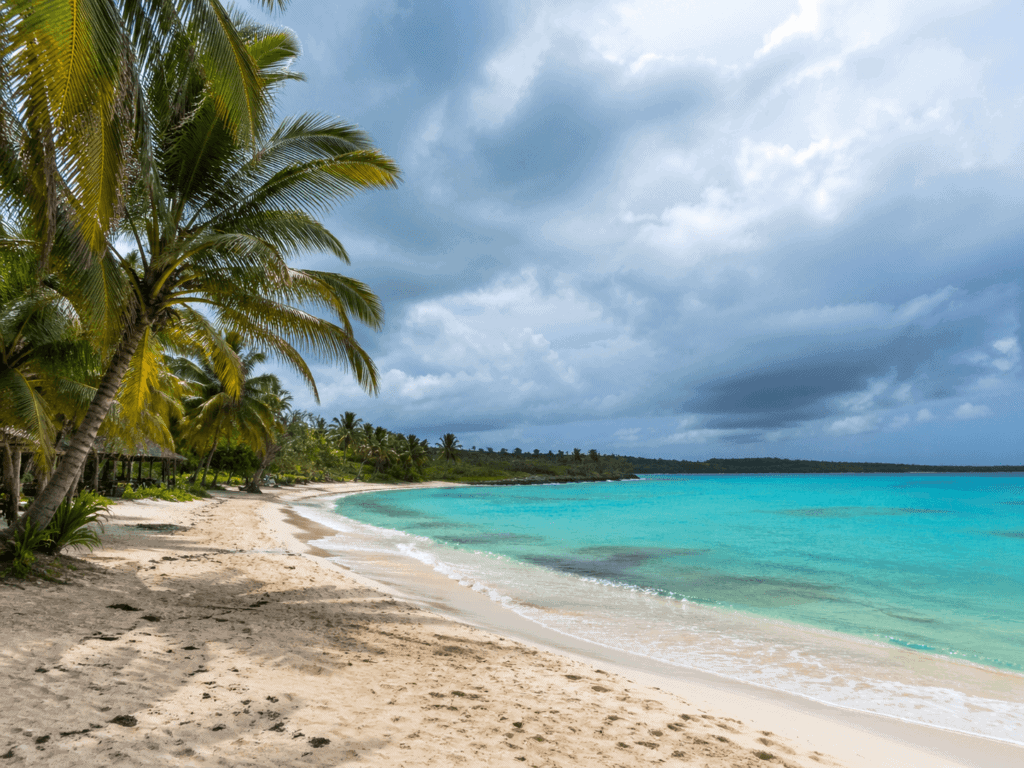
Caribbean Hurricane Season: What Cruisers and Resort-Goers Really Need to Know
Caribbean hurricane season runs June 1 to November 30. Here's the honest truth about cruise risk, resort safety, the months to actually avoid, and the insurance that saves your trip.
Last updated: April 28, 2026 · Reading time: 10 minutes
Sue Nelson is a credentialed travel advisor with Adventures by MJ and has been planning Caribbean cruises and resort stays for clients for over 2 years. This guide reflects current 2026 climatology data from NOAA, cruise line operational policies, and direct client experience across hundreds of hurricane-season trips.
Caribbean hurricane season runs June 1 through November 30, with peak activity from mid-August through mid-October. Cruise ships reroute around storms (they very rarely cancel). Resorts have hurricane playbooks. The southern Caribbean (Aruba, Curacao, Bonaire) sits below the typical hurricane belt. Travel insurance with cancel-for-any-reason coverage is essential. June, early July, and November are wildly underrated value windows.
Key Takeaways
Caribbean hurricane season: June 1 to November 30 (peak Aug 20 to Oct 5)
September is the most active single month
Cruises reroute, they don’t sail through storms
Aruba, Bonaire, and Curacao are below the hurricane belt
Cancel-for-any-reason (CFAR) insurance must be purchased before any storm is named
November is the year’s most underrated value window
Now, the longer story.
There is a category of vacationer who hears “Caribbean hurricane season” and immediately closes the browser. There is another category who books a cruise for the third week in September because the fares are 40 percent off and figures, “How bad can it really be?” The truth, as usual, lives in the middle.
Most weeks during hurricane season are gorgeous. Some weeks are inconvenient. A small handful of weeks across an entire season are genuinely disruptive. The trick is understanding which weeks tend to be which, what your cruise line or resort actually does when a storm shows up, and how to set yourself up so a weather wobble does not become a financial one.
This is the conversation we have with clients every spring, usually over coffee, usually after they’ve found a deal that looks too good to pass up. Here is the same conversation, but in writing, with no sales pitch attached.
When is Caribbean hurricane season? June 1 to November 30 every year. Peak activity is mid-August through mid-October.
Is it safe to cruise during Caribbean hurricane season? Yes, in almost all cases. Cruise ships reroute around storms with days of notice and very rarely cancel sailings outright. The bigger inconvenience is itinerary changes, not safety.
What’s the worst month to visit the Caribbean? Statistically, September. It’s the peak of peak. The most active two weeks of any given hurricane season usually fall between September 5 and September 20.
Where in the Caribbean is safest during hurricane season? The ABC islands: Aruba, Bonaire, and Curacao. They sit below the typical hurricane belt. Barbados, Trinidad, and the southern Grenadines also see lower storm risk than the northern Caribbean.
Should I buy travel insurance for a Caribbean trip? Yes, especially for any trip booked between June and November. Cancel-for-any-reason coverage is the gold standard for hurricane-season travel.
Will a hurricane ruin my cruise? Almost never in the way people imagine. Ships do not “sail through” hurricanes. They go around them. You may see different ports than the brochure promised, but you will not be in the storm.
Can I get a refund if a hurricane hits during my trip? It depends on whether you bought insurance and whether the cruise line or resort canceled. If they cancel, you typically get a refund or rebooking. If they reroute and your trip simply looks different, that’s where insurance matters.
Now, the deeper dive.
Planning a Caribbean cruise or all-inclusive resort trip during hurricane season? This guide explains what travelers really need to know before booking, including timing, flexibility, travel insurance, and how to plan smarter.
When Is Caribbean Hurricane Season?
Hurricane season is not one long, scary stretch. It’s a curve, and the curve has a very specific shape that has stayed remarkably consistent for decades.
June. Officially the start of the season. Activity is low. Storms are rare. Most years, June feels indistinguishable from late spring. Cruise fares are at shoulder-season prices and the weather is typically sublime. This is one of the best-kept secrets in Caribbean travel.
July. Still quiet. Late July occasionally produces an early-season system, but the named storms that form this month tend to be brief and weaker. Fares creep up because of school break, but storm risk is still low.
Early August. The shoulder of the curve starts. Storm activity ticks up but is still well below peak. Fares dip slightly as families head back for school prep.
Mid-August through Mid-October. The peak. The Atlantic basin is at its warmest, the atmospheric setup is most favorable for tropical development, and the climate prediction models that drive seasonal outlooks place the bulk of named storm activity here. If you are storm-averse, this is the window to avoid. If you are price-sensitive and flexible, this is also the deepest discount window of the year.
Late October. Activity tapers fast. Late-season storms still happen, but the curve slopes down quickly after Halloween.
November. Almost always quiet. November in the Caribbean is one of the most underrated weeks-long windows on the calendar: low fares, fewer crowds, near-end-of-season weather, holiday-month-adjacent timing. We send a lot of clients here on purpose.
The National Hurricane Center publishes seasonal outlooks every May and updates them in August. If you want the official forecast for your travel year, the NOAA National Hurricane Center is the authoritative source.
What Happens to a Cruise During a Hurricane?
This is the part most travelers don’t fully understand, and it’s the part that tends to lower stress the fastest.
Cruise lines have meteorologists on staff. They monitor every developing system days before it becomes a named storm. By the time a storm has a name, the cruise line’s operations team has already been gaming out alternate itineraries for 48 to 72 hours.
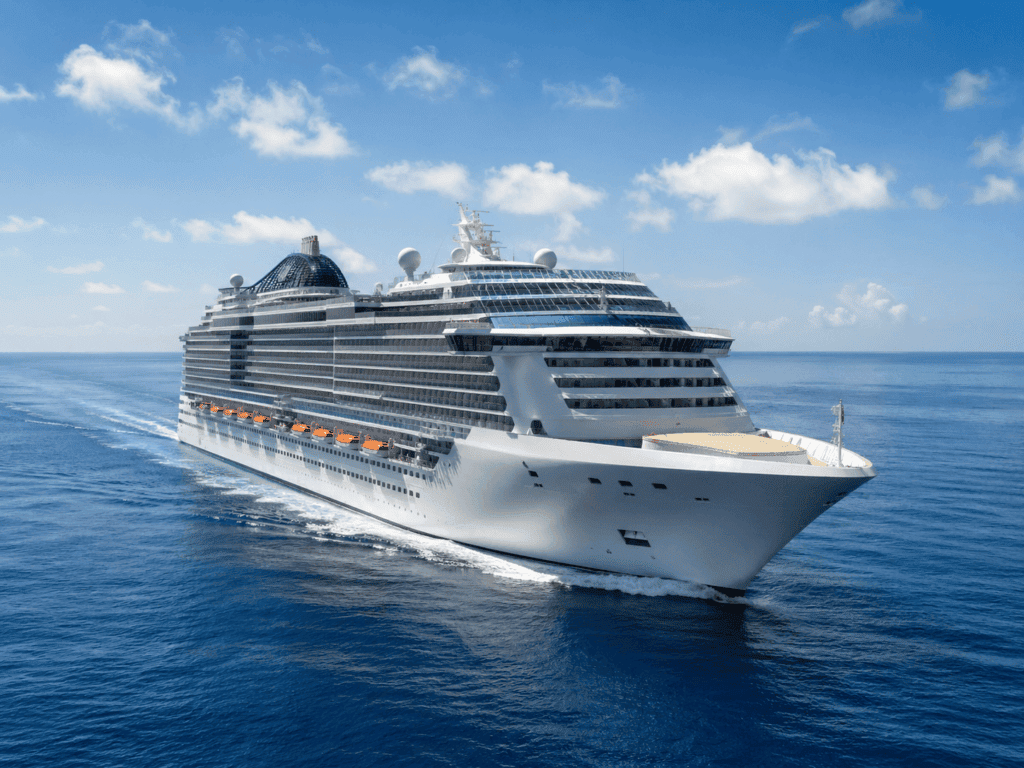
Cruise ships pivot around storms with days of advance notice. The brochure may change. The vacation does not.
Step 1: They reroute, not cancel. Most cruise lines pivot the itinerary days before the ship even reaches the affected zone. Instead of St. Thomas and St. Maarten, you might end up in Grand Cayman and Cozumel. Instead of an Eastern Caribbean week, you might sail Western. The ship still sails. You still get a vacation. The brochure photo just changes.
Step 2: They communicate, often clumsily. This is the part that frustrates people. Itinerary changes are sometimes announced 24 to 48 hours before the change happens, and occasionally you’ll get the news while already onboard. The change itself is usually fine. The communication around it can feel rushed.
Step 3: They almost never sail into a storm. Modern cruise ships are massive (think 1,000 feet long) and can outrun most tropical systems by sheer speed and distance. The “imagine being on a cruise ship in a hurricane” scenario almost never happens. Captains pivot to calmer waters days in advance.
Step 4: True cancellations are rare but possible. In the small minority of cases where a port city itself is the embarkation point and a major storm is bearing down (Miami, Fort Lauderdale, Port Canaveral, Tampa, Galveston, New Orleans, San Juan), sailings can be canceled or delayed.
For an honest look at what a Caribbean cruise actually delivers (and which itineraries make the most sense at different times of year), see our Best Caribbean Cruise Itineraries breakdown.
Are Caribbean Resorts Safe During Hurricane Season?
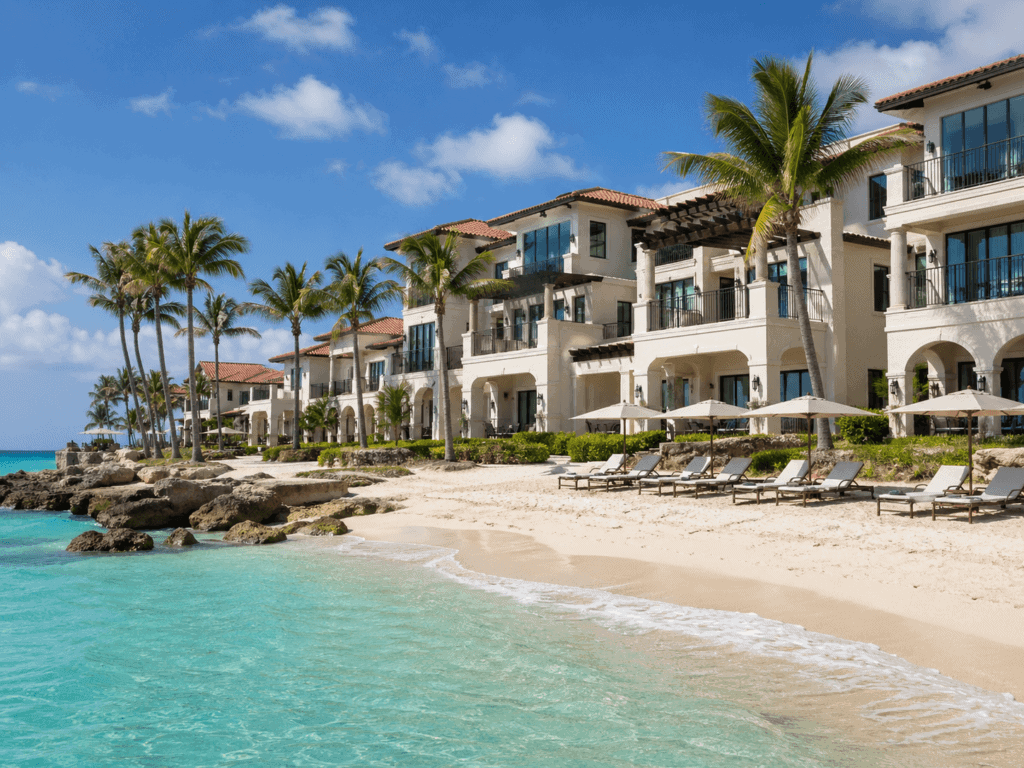
Resort-goers tend to feel more vulnerable than cruisers because the building doesn’t move. The reality is that Caribbean resorts, especially the major all-inclusives, have years of hurricane experience baked into their operations.
Most Caribbean resorts in storm-prone zones are built to withstand category 3 conditions or higher.
Reinforced infrastructure. Most resorts in storm-prone zones are built to withstand category 3 conditions or higher. Buildings have hurricane shutters, generator backups, and storm protocols that get rehearsed annually.
Evacuation playbooks. If a storm is forecast to make a direct hit, major resorts work with their cruise-line and tour-operator partners to fly guests out 48 to 72 hours in advance. Some properties offer “hurricane guarantees,” which provide refunds, rebookings, or future stay credits if a named storm interrupts your week.
The ABC islands rarely face this. Aruba, Bonaire, and Curacao sit south of the typical hurricane belt. Storm interruptions to resort stays on these islands are genuinely rare, often years apart. If you want a hurricane-season trip with very low storm risk, this is the answer.
The northern Caribbean carries more risk. The Bahamas, Turks and Caicos, the Virgin Islands, Puerto Rico, and the leeward chain (Antigua, St. Maarten, St. Barts, Anguilla) sit in the most active corridor. Trips here during peak weeks deserve more careful planning and stronger insurance.
For travel advisory information on specific Caribbean destinations, the U.S. Department of State Travel Advisories page is the official source for safety, security, and natural disaster guidance.
Atlantic hurricane season is a curve, not a flat stretch. Here’s the average activity by month so you can pick the right travel window for your risk tolerance and budget.
~1
June
Quiet
~1
July
Quiet
~3
August
Building
~5
September
Peak
~3
October
Peak
~1
November
Tapering
~0
Dec–May
Off-Season
Low risk window
Building activity
Peak season
Tapering
The Travel Verdict
Best Value Windows
Late May to mid-July and the first three weeks of November. Soft pricing, low storm risk.
Avoid If Storm-Averse
August 20 through October 5. Highest storm probability and biggest itinerary risk.
Always Buy Insurance
Cancel-for-any-reason coverage, purchased the same day you book the trip.
Activity figures are approximate monthly averages of named Atlantic storms (1991–2020 climatology). Actual storm tracks vary year to year. Always verify current forecasts at the National Hurricane Center.
When to Book and When to Avoid
Aruba, Bonaire, and Curacao sit south of the typical hurricane belt. Storm-season trips here see surprisingly little drama.
The question we get asked most often: “If hurricane season is six months long, when should I actually go?”
Here is the cheat sheet, based on storm climatology, fare patterns, and twenty years of watching clients come home thrilled or frustrated.
Best value windows during hurricane season: Late May through mid-July, and the first three weeks of November. Low storm activity, soft pricing, smaller crowds.
Manageable middle: Late July through early August, and late October. Storm activity is real but not at peak. Decent value, reasonable risk.
The window of highest risk: August 20 through October 5. This is the season’s hottest stretch. Fares are deeply discounted. Storm activity is at its highest. This is the window where insurance matters most and where flexible travelers can score genuine bargains, but where nervous travelers should probably book another month.
The November sweet spot: November 1 through 20 is, for our money, the single most underrated week-range in Caribbean travel. The weather has settled. The crowds haven’t arrived. The fares haven’t climbed back to high-season levels yet. If you can travel pre-Thanksgiving, this is the move.
At-a-Glance · 2026
Caribbean Hurricane Season at a Glance
Storm risk, fare patterns, and the right traveler fit for each month of the season.
Month
Storm Risk
Avg. Fares
Best For
June
Low
Low
Value seekers, couples
July
Low
Mid
Families on summer break
August
Building
Low
Flexible travelers with insurance
September
Peak
Lowest
Bargain hunters with CFAR coverage
October
Peak Early / Tapering Late
Low
Patient, flexible travelers
November
Low
Low
Pre-Thanksgiving sweet spot
Storm risk reflects 1991–2020 NOAA climatology. Fare patterns reflect typical 2026 cruise and all-inclusive pricing trends.
Travel Insurance: The Section That Actually Matters
If you remember nothing else from this post, remember this: travel insurance is the difference between a hurricane-season trip being a story you tell at parties and one you replay at 3 a.m.
Standard travel insurance covers a lot of things: trip interruption, medical emergency, lost baggage. Most standard policies, however, do not cover “I changed my mind because there’s a tropical depression forming and I’d rather not.” That’s where cancel-for-any-reason coverage (CFAR) comes in.
CFAR coverage lets you cancel for, well, any reason. You typically get back 50 to 75 percent of your trip cost (depending on policy) as long as you cancel more than 48 hours before departure. It costs more than standard insurance (figure 40 to 60 percent more in premium), but for a hurricane-season trip, it’s the policy we recommend most often.
Cancel-for-any-reason coverage is the gold standard for hurricane-season trips. Buy it the same day you book.
Standard trip-interruption coverage kicks in once a named storm is officially impacting your trip. Once a hurricane warning is in place for your destination, your policy generally covers cancellations and changes. The catch: by the time the warning is issued, you may already have flights booked, transfers paid, excursions reserved. CFAR coverage gets ahead of all of that.
A couple of insurance traps to know about: Insurance must be purchased before a storm is named. Once a system has a name, no new policies will cover that specific storm. This means buying insurance early (right when you book the trip) is the rule, not the exception.
What to Actually Do If a Storm Forms While You’re Traveling
Storm forms while you’re already at the airport, on the ship, or at the resort. Here’s the playbook.
Don’t panic-book a flight home. Cruise lines and resorts have evacuation plans and they execute them faster than individual travelers can. Wait for guidance from your operator before making expensive solo decisions.
Check your cruise line app or resort guest services first. Most lines push notifications about itinerary changes through their apps before they hit social media. Trust the official channel over Twitter.
If you’re flying in, watch the storm track 72 hours out. If a major storm is forecast to track through your destination during your travel days, your airline will typically issue waivers letting you change flights without fees. Check the airline’s travel alerts page before calling.
Document everything for insurance. Take photos of cancellation notices, save email confirmations, screenshot weather alerts, and keep all receipts. Insurance claims require evidence.
Charge everything before you need to. Power outages, airport delays, and ship-wide Wi-Fi crunches all hit at once when weather shifts. A high-capacity portable charger (look for at least 10,000 mAh) keeps your phone, e-reader, and noise-canceling headphones alive through a long delay. This is the single most-thanked-for item we ever recommend.
Keep your phone usable in any weather. A waterproof phone pouch under ten dollars protects your device on catamaran excursions, beach days, and sudden squalls, and lets you still tap through it. The floating versions are worth the extra two dollars if you’re doing any boat-based excursions.
Stay in touch with your travel advisor (if you have one). This is the part that matters more than people realize. A good travel advisor monitors storms for clients and proactively rebooks. If you booked direct, you’re managing this yourself in real time.
How to Travel the Caribbean Like You Know What You’re Doing
June through November in three sections: when to go, where to go, and the insurance rules nobody told you.
When to Go
June
Quiet · Best Value
July
Quiet · Family Surge
August
Building
September
Peak Risk
October
Peak Risk
November
Tapering · Best Value
Cruise vs Resort During Storm Season
🚢
Cruising
Built to Reroute
Onboard meteorologists tracking 72+ hours out
Itinerary changes are common, cancellations are rare
Ships outrun storms by speed and distance
Western Caribbean offers the most reroute flexibility
Refundable rates worth the upcharge in peak weeks
VS
🌴
Resort Stays
Built to Withstand
Hurricane shutters and category-3 construction standards
Evacuation playbooks 48 to 72 hours before impact
Some properties offer hurricane guarantees
Major all-inclusives have stronger contingency policies
Choose southern Caribbean to minimize storm risk
Where to Go
Lower Storm Risk
Aruba · Bonaire · Curacao
Barbados · Trinidad
Southern Grenadines South of the typical hurricane belt
Higher Storm Risk
Bahamas · Turks & Caicos
U.S. & British Virgin Islands
Antigua · St. Maarten · Anguilla Most active corridor in peak weeks
The Insurance Rules
Three Rules That Save Your Trip
RULE 01
Buy Same-Day
Insurance must be in place before any storm is named. Buy the policy the same day you book the trip.
RULE 02
Choose CFAR
Cancel-for-any-reason coverage reimburses 50 to 75 percent no matter why you cancel. Worth the higher premium.
RULE 03
Document Everything
Save cancellation notices, weather alerts, and receipts. Insurance claims are won with paperwork.
A Few Honest Tips Before You Book a Hurricane-Season Trip
Buy insurance the same day you book. Not next week. Not “when I get paid.” Same day. Storm coverage requires the policy to be in place before any system is named.
Choose southern Caribbean for low risk. Aruba, Curacao, Bonaire. Below the belt, dry climate, statistically very few storms. If you want a September trip without storm anxiety, this is the answer.
For cruises, prefer Western Caribbean during peak weeks. Western itineraries (Cozumel, Roatan, Costa Maya, Grand Cayman) tend to have more flexibility for rerouting around Atlantic storms compared to Eastern itineraries that pass through the leeward chain.
Book refundable when possible. Many cruise lines offer fully refundable rates at slightly higher prices. During peak hurricane weeks, that flexibility is worth the upcharge.
Pack a flexibility mindset. Your itinerary may change. Your beach day may become a sea day. Your Tuesday port may become Thursday’s. The travelers who handle hurricane season best are the ones who came for “warm water and a margarita,” not “this exact beach on this exact day.”
Pack for actual weather, not Pinterest weather. Caribbean rain in season is brief and dramatic, but it shows up. A packable rain jacket that folds into its own pocket weighs nothing in your suitcase and saves an entire excursion day. Skip the cheap plastic poncho. You’ll regret it the moment the wind picks up.
Mind the airline waivers. If a storm is forecast for your destination, your airline will usually post a travel waiver letting you change flights free. Check airline alerts before calling. The Federal Aviation Administration’s travel disruption page is also useful for understanding broader operational impacts during major storm events.
The travelers who do best with hurricane season are the ones who came for “warm water and a margarita,” not “this exact beach on this exact day.”
Now What?
Most clients we work with through hurricane season come back and say a version of the same thing: “I almost didn’t book that trip, and it ended up being one of the best vacations I’ve ever taken.”
The trick wasn’t avoiding the season. It was understanding it.
If you’d like a second pair of eyes on a trip you’re considering between June and November, we offer a free 20-minute call to walk through dates, destinations, and the right insurance fit for your plan. No pressure, no upsell, just clarity on whether the trip you’re eyeing is the right call.
Not quite ready to talk to someone? Start with our Before You Book Checklist. It’s the same pre-booking framework we use with our own clients, free to download.
FAQs: Caribbean Hurricane Season
When does Caribbean hurricane season start and end?
Caribbean hurricane season officially runs June 1 through November 30 every year. Peak activity falls between mid-August and mid-October, with September historically being the most active single month. The official dates are set by the National Oceanic and Atmospheric Administration (NOAA) based on long-term storm climatology.
Is it safe to take a Caribbean cruise during hurricane season?
Yes, in almost all cases. Cruise lines have onboard meteorologists, reroute around storms days in advance, and very rarely cancel sailings. You may see different ports than originally scheduled, but the ship will not sail into a hurricane. Travel insurance is the bigger consideration than safety itself.
What’s the worst month for Caribbean hurricanes?
September is statistically the most active month, especially the second and third weeks. The Atlantic basin is at its warmest then, and atmospheric conditions favor tropical development. If storm avoidance is your priority, late August through early October is the window to skip.
Which Caribbean islands are safest during hurricane season?
Aruba, Bonaire, and Curacao (the ABC islands) sit south of the typical hurricane belt and rarely see direct storm impacts. Trinidad, Barbados, and the southernmost Grenadines also experience lower storm risk. The northern Caribbean (Bahamas, Turks and Caicos, Virgin Islands, leeward chain) carries the most risk.
Should I buy travel insurance for a hurricane-season Caribbean trip?
Absolutely yes. Cancel-for-any-reason (CFAR) coverage is the gold standard for any Caribbean trip booked between June and November. It typically reimburses 50 to 75 percent of your trip cost regardless of why you cancel, as long as you cancel more than 48 hours out. Standard policies do not cover voluntary cancellations.
Can I cancel a Caribbean cruise if a hurricane is forecast?
You can always cancel, but whether you’re refunded depends on your insurance. If the cruise line itself cancels the sailing, you typically get a full refund or future cruise credit. If you cancel preemptively because of a forecast, you generally need cancel-for-any-reason insurance to recoup your costs.
Do hurricane warnings always cancel cruises?
No. Cruise lines reroute around storms far more often than they cancel sailings entirely. Embarkation port closures (Miami, Galveston, New Orleans during a direct hit) are the main reason a cruise gets fully canceled. Itinerary changes are far more common than full cancellations.
Is November a safe month to visit the Caribbean?
November is one of the safest and best-value months for Caribbean travel. Hurricane activity drops off sharply after Halloween, weather is reliably good, crowds are smaller, and pricing hasn’t yet climbed to peak winter rates. The first three weeks of November are particularly underrated.
Can I get hurricane coverage if a storm has already been named?
No. Travel insurance policies will not cover storms that have already been named at the time of purchase. This is why insurance experts recommend buying coverage the same day you book your trip, not closer to departure. Buying late is one of the most common (and most expensive) hurricane-season mistakes.
What happens to my resort booking if a hurricane hits?
Most major Caribbean resorts have hurricane policies that include evacuation support, refunds or rebooking if a named storm forces closure, and “hurricane guarantees” at some properties. Read your specific resort’s policy before booking, especially during peak season weeks. All-inclusive chains generally have stronger contingency policies than independent boutique properties.
What cabin is best on a cruise during hurricane season?
A mid-ship cabin on a lower deck offers the smoothest ride if rough seas develop. Mid-ship cabins are closest to the ship’s center of gravity, which minimizes motion. Lower decks experience less sway than higher ones. Avoid bow (front) cabins on storm-season sailings.
Are Caribbean cruises cheaper during hurricane season?
Yes, often significantly. Cruise fares typically run 20 to 40 percent below high-season rates from late August through early October, the peak storm window. The trade-off is itinerary risk. Cancel-for-any-reason insurance is what makes the savings worth taking.
Do cruise lines refund for hurricane-related itinerary changes?
Generally no, not for itinerary changes alone. Cruise lines only issue refunds or future cruise credits when they cancel a sailing entirely, which is rare. Reroutes are considered standard operating procedure and don’t trigger refunds. This is the gap that travel insurance fills.
The biggest myth about Caribbean hurricane season is that it’s six months of bad weather. It isn’t. It’s six months of possible bad weather, with most of the storm activity concentrated in about six weeks of that span.
The travelers who do best with hurricane-season trips are the ones who treat the season the way locals do. They buy insurance early. They pick destinations strategically. They build a little flexibility into their itineraries. And they go anyway, because June, July, early August, and November are some of the most beautiful, least crowded, best-priced weeks on the Caribbean calendar.
If your only window to travel is late August through early October, it doesn’t mean you can’t go. It means you do the homework, choose the southern Caribbean or the Western itinerary, lock in cancel-for-any-reason coverage the moment you book, and let the cruise line or resort do what they’ve been doing for decades.
The Caribbean during hurricane season isn’t a gamble. It’s a season with a curve. Once you understand the curve, the trip is just a trip again.
Happy travels, and may your forecast always say “scattered clouds.”
By Sue Nelson | Adventures by MJ | Updated for 2026
Affiliate Disclosure: This post may contain affiliate links. If you make a purchase through one of these links, we may earn a commission at no additional cost to you. We only recommend products and services we believe may be helpful to travelers.
Hi, I'm Sue. I plan cruises, all-inclusive resorts, and slow multi-country trips through Europe, and I'm a member of the Travel Leaders Network. Twenty years in senior HR leadership before this, which mostly taught me how to read what people actually want. I live in Grain Valley, Missouri with my husband and business partner Mike.