How to Choose Your First Cruise: 5 Things That Actually Matter
Planning your first cruise? Here are the five decisions that actually shape it, plus the destinations, cabins and trip length that make a first sailing feel easy.
Last updated: October 2, 2026 :: Written by Sue Nelson, Travel Advisor | Adventures by MJ
If you’ve never taken a cruise before, welcome, and also, take a deep breath.
Cruising can feel overwhelming at first. Ships look massive. Cruise lines all promise “the best experience.” Cabin types sound suspiciously similar. And everyone you know seems to have a very strong opinion about what you should do.
Here’s the truth most cruise marketing won’t tell you:
There is no single “best cruise” for first-time cruisers. But there is a best cruise for you.
When you’re figuring out how to choose your first cruise, the real question is which cruise line and itinerary will feel easy the very first time.
The best first cruise depends on:
Your travel style
Your comfort level
Your budget
How much planning you want to do
And how you actually like to vacation
This guide breaks it all down. Cruise lines, ship size, destinations, cabins, and common mistakes, so you can book your first cruise with confidence instead of guesswork.
Quick Answer: The easiest way to choose your first cruise is to keep it simple: 5 to 7 nights in the Caribbean on a mid-sized or large ship. Book a midship oceanview or balcony cabin, then pick the cruise line whose vibe matches how you like to vacation.
Key Takeaways: How to Choose Your First Cruise
5 to 7 nights is the sweet spot for a first cruise. It’s long enough to settle in and short enough to avoid burnout.
The Caribbean is the easiest place to start, with short flights and relaxed ports.
Mid-sized and large ships give you more to do and tend to feel more stable on the water.
Where your cabin sits matters as much as what type it is. Midship oceanview or balcony is the safest first pick.
Choose the cruise line by vibe: laid-back and flexible, or a bit more polished.
In many cases a travel advisor costs nothing extra and can steer you away from the mistakes first-timers regret.
These are valid concerns, and the right cruise choice can either ease them, or amplify them.
That’s why choosing the right kind of cruise matters more than choosing the “best deal.”
Travelers who worry about motion sickness often pack Sea-Band anti-nausea wristbands, a simple option many cruisers keep in their day bag just in case. They’re cheap and harmless, but the CDC’s travel guidance says studies find them no better than a placebo, so if you’re prone to seasickness, ask your doctor about medication too.
Choosing your first cruise isn’t about spotting the prettiest ship or the flashiest pool deck. It’s about understanding five core factors that actually shape your experience — how you’ll feel, how much you’ll enjoy it, and whether you come home wanting another one. Let’s break these down clearly:
Cruise Line Vibe — Casual vs. Refined
Not all cruise lines feel the same — and “best” depends on your personality.
Casual and easygoing: Norwegian Cruise Line (NCL) and many Royal Caribbean sailings keep things flexible and low-pressure — perfect if you prefer comfort over formality.
A bit more polished: Celebrity Cruises offers a slightly more refined vibe without feeling uptight — great for travelers who enjoy elevated service and cuisine without stiff rules.
👉 Think about how you vacation on land: do you want laid-back flexibility or a more put-together experience? Choose a cruise line that reflects that.
Ship Size — More Amenities = Easier First Cruise
Ship size matters — not just for crowd control, but for comfort and experience.
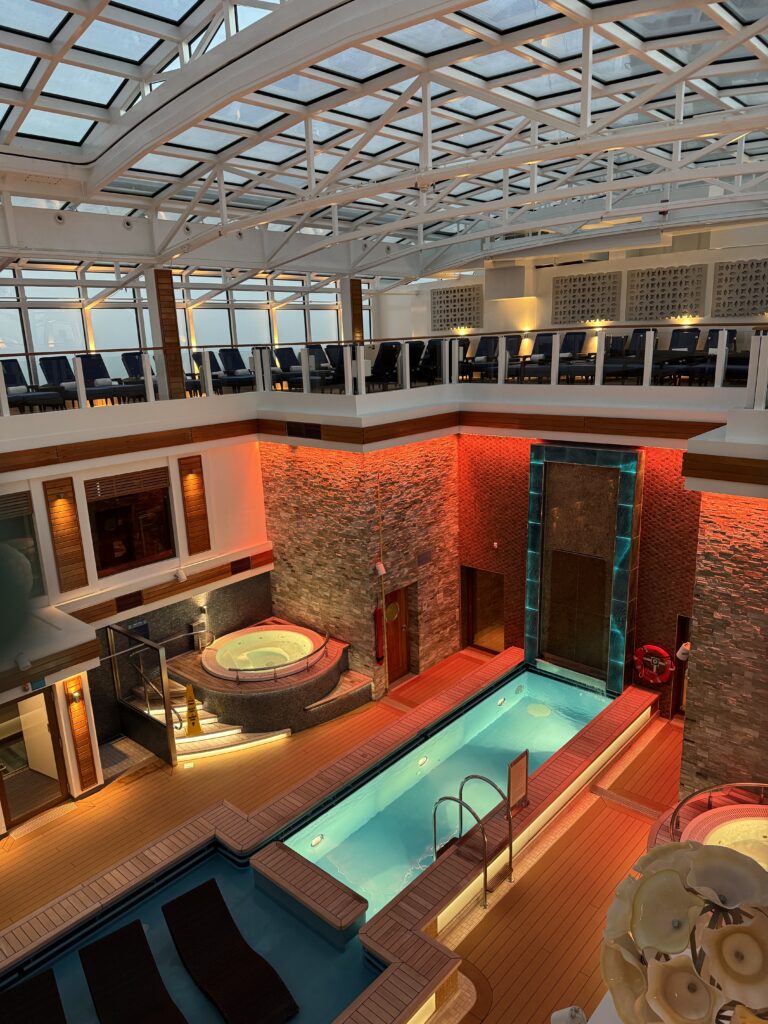
Mid-sized to large ships: These have more dining options, entertainment, indoor spaces, and places to spread out — which makes your first cruise less stressful and more flexible.
Smaller ships: Wonderful once you know you love cruising, but they can feel limited if you’re unsure about motion or options.
Larger ships also tend to be more stable on the water — a big confidence boost if you’re worried about seasickness.
Destination Difficulty — Ease vs. Adventure
Not all cruise destinations are created equal for beginners.
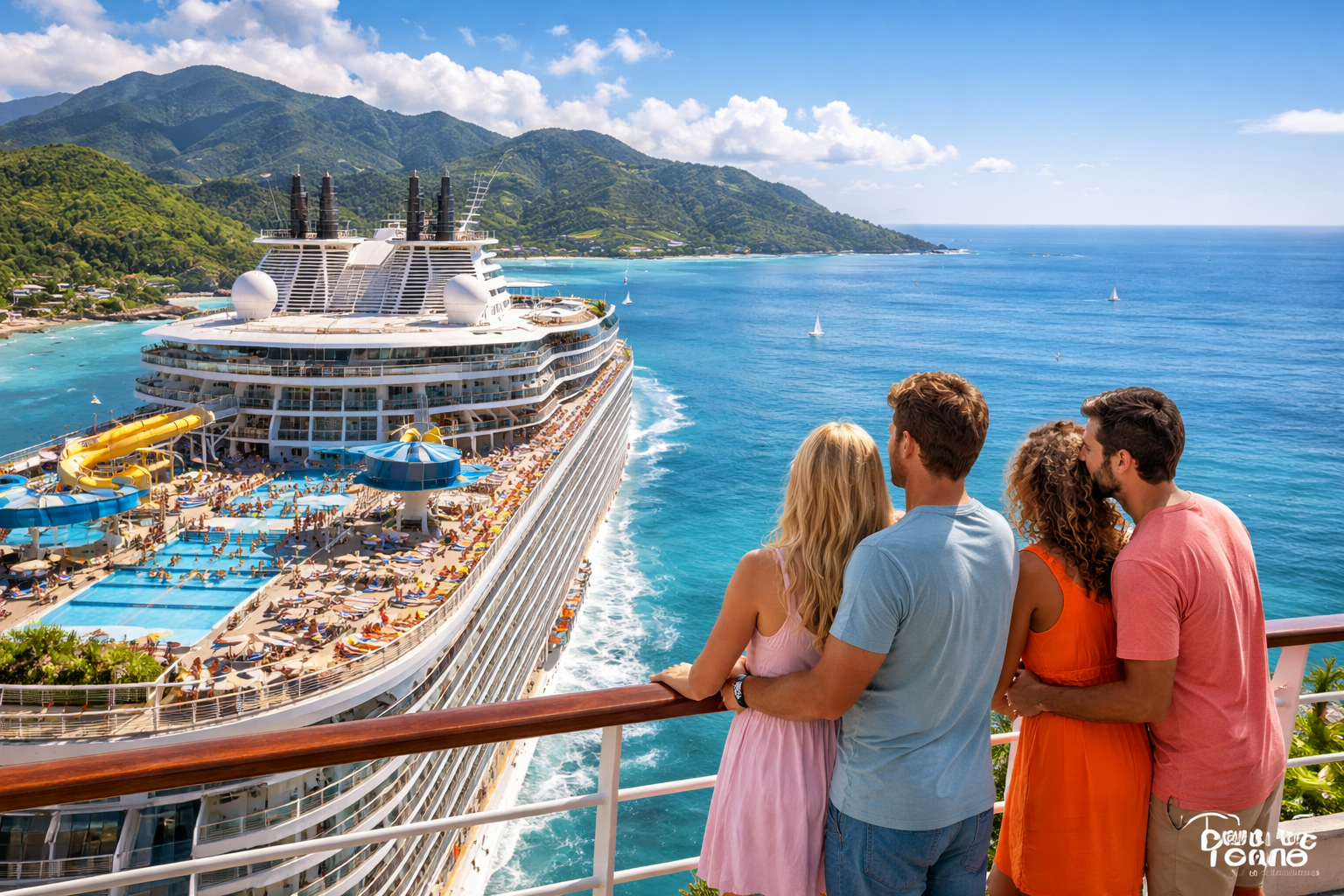
Easy starters: The Caribbean is the most beginner-friendly region — calm seas, short flights, relaxed ports, and predictable weather.
Iconic but trickier: Alaska is breathtaking, but it demands more from cabin choice and itinerary understanding.
Complex itineraries: Mediterranean routes are amazing — but their long port days and logistics can overwhelm first-timers.
For your first cruise, simplicity builds confidence — and confidence turns you into a repeat cruiser.
Cabin Comfort — Location Over Label
A cheap cabin doesn’t equal a good cabin.
Where your room is on the ship can make a huge difference in how you feel:
Midship cabins: Best balance of stability and quiet.
Higher decks near elevators: Often noisier and more vibration.
Inside cabins: Great for budget cruisers who don’t mind no view.
Oceanview & balcony cabins: Offer light, space, and fresh air — helpful on scenic itineraries.
For most first-timers, a midship oceanview or balcony cabin feels comfortable, dreamy, and confidence-building — without breaking the bank.
Some cruise lines and itineraries are very structured:
Set dining times
Show schedules
Lots of group activities
Others are more freestyle:
Flexible dining
Exploration at your own pace
Adult-focused quiet zones
If you’re someone who likes to plan every detail, structured schedules can feel reassuring. If you travel better when you can breathe and choose your own adventure, go for a freestyle-friendly line like NCL.
This matters because your cruise style should match your vacation style — not force you into something unfamiliar.
The Bottom Line
When you strip away the bells and whistles, the best cruise for a first-time cruiser comes down to alignment:
Cruise line vibe that matches your personality
A ship size that feels comfortable
A destination that fits your confidence level
A cabin that enhances (not distracts from) your vacation
A schedule that feels like freedom, not pressure
Understanding these five elements — cruise line vibe, ship size, destination difficulty, cabin comfort, and schedule flexibility — will help you move from feeling overwhelmed to feeling confident before you even book.
The cruise line shapes the whole feel of your trip, so it gets its own deep dive. The short version: Royal Caribbean suits first-timers who want nonstop activities, and Norwegian suits anyone who hates fixed dining times. We compare all 6 beginner-friendly lines side by side, including Celebrity, Carnival, Princess and Disney, in our guide to the best cruise line for first-time cruisers.
Ocean Cruise vs River Cruise for First-Time Cruisers
This is one of the biggest questions beginners ask, and the answer matters.
If you’re curious about smaller ships and destination-focused travel, this guide to European river cruise vs ocean cruise can help you understand why river cruising feels so different from mainstream ocean cruising.
Ocean Cruises (Best for Most First-Timers)
Ocean cruises offer:
Larger ships
More amenities
More dining choices
Entertainment options
Better value for first-time exploration
They’re also more forgiving if you don’t know exactly what you like yet.
River Cruises (Better for Experienced or Purpose-Driven Travelers)
River cruises are intimate, immersive, and destination-focused, but they’re not always ideal for beginners.
They work best if you:
Love history and culture
Prefer small groups
Don’t need onboard entertainment
Want an educational experience
For most first-time cruisers, ocean cruising is the easier, safer introduction.
The Caribbean is hands-down the most beginner-friendly cruise destination.
Why it’s ideal:
Short flight times
Calm seas (most of the year)
Relaxed ports
Easy excursions
Wide range of cruise lengths
If you’re nervous about your first cruise, this is the easiest place to start.
Many first-time cruisers start with the Caribbean, and understanding the best Caribbean cruise itinerary can help you choose the right route for your first sailing.
2. Alaska (with the right expectations)
Alaska can be incredible for first-timers if you choose the right cruise and cabin.
While amazing, the Mediterranean can be overwhelming for first-timers due to:
Long port days
Busy itineraries
Higher costs
Complex logistics
It’s fantastic. Just better once you know how cruising works.
What Ship Size Is Best for First-Time Cruisers?
Mid-Sized to Large Ships Win
Larger ships offer:
More dining options
More entertainment
More places to spread out
Better stability (less motion)
This often eases anxiety for first-time cruisers who worry about boredom or seasickness.
Smaller ships are wonderful, but better appreciated once you know you enjoy cruising.
What Is the Best Cabin for First-Time Cruisers?
Cabin choice is one of the biggest regret areas for first-time cruisers.
Here’s the short version:
Inside cabins are great for budget-focused travelers who won’t spend much time in the room.
Oceanview cabins offer natural light without the balcony price jump.
Balcony cabins are wonderful for scenic itineraries or travelers who want private space and fresh air.
For most first-time cruisers, a midship oceanview or balcony cabin is the safest, most comfortable choice.
Location matters just as much as cabin type, especially for motion sensitivity and noise.
Choosing the best cabin for your first cruise can make or break the experience, especially when deciding between balcony vs inside cabins.
Many experienced cruisers also bring magnetic hooks for cruise cabins, which stick to the metal cabin walls and create extra hanging space for hats, bags, and jackets.
Families and longer-cruise travelers often pack a clear over-the-door organizer, which creates extra storage space for sunscreen, toiletries, and small items.
How Long Should Your First Cruise Be?
The sweet spot for first-time cruisers is 5–7 nights.
Why:
Long enough to settle in
Short enough to avoid burnout
Gives you time to figure out what you like
Easier to budget
Very short cruises can feel rushed. Very long cruises can feel overwhelming if you’re unsure about cruising.
Common Mistakes First-Time Cruisers Make
These are the things people say after their first cruise usually with regret:
Booking the cheapest cabin without checking location
Leaving the passport at home. On a round-trip cruise from a U.S. port, U.S. citizens can sail with a birth certificate and photo ID under CBP’s travel document rules, but a passport is what gets you home if you have to fly back from a foreign port.
One reason first-timers benefit from guidance is that booking a cruise online can cost you more when perks, cabin placement, and what’s actually included aren’t obvious upfront.
Packing cubes are also incredibly helpful on cruises, and many travelers use travel packing cubes to keep clothes organized in smaller cabin closets.
Why First-Time Cruisers Often Benefit from a Travel Agent
Cruising looks simple online, but first-timers often don’t know what they don’t know.
If you’ve never worked with one before, understanding what a travel agent actually does can explain why first-time cruisers often feel more confident booking with expert help.
A good travel advisor helps:
Match you with the right cruise line
Choose the right ship and itinerary
Recommend the best cabin location
Explain inclusions and hidden costs
Prevent costly mistakes
Advocate for you if issues arise
And in many cases, using a travel advisor does not cost extra.
Quick Voice Search Answers: Choosing Your First Cruise
How do I pick my first cruise?
Start with 5 to 7 nights in the Caribbean on a mid-sized or large ship, then choose the cruise line whose vibe matches how you like to vacation. Book a midship cabin to keep motion and noise down.
Where should I go on my first cruise?
The Caribbean or the Bahamas, thanks to short flights, calmer seas and easy ports you can walk off the ship into. December through May is the safest window, since hurricane season runs June 1 to November 30.
What cruise line is best for first-time cruisers?
Royal Caribbean suits most first-timers, because its big ships have something for everyone and plenty of short Caribbean sailings. Norwegian is the better fit if you hate fixed dining times, and our first-timer cruise line comparison covers the rest.
What is the best first cruise for couples?
A 7-night Caribbean sailing on Celebrity, for a polished and quieter week. If you’d rather skip the kids entirely, Virgin Voyages is adults-only. Either way, this is the trip to splurge on a balcony.
What is the most affordable first cruise?
A 4- or 5-night Bahamas or Caribbean cruise from Florida on Carnival or MSC, in an inside cabin, is usually the cheapest good first cruise. Budget extra for drinks, Wi-Fi and gratuities, which aren’t in the fare.
How big are cruise ship cabins?
Most inside cabins on mainstream ships run roughly 130 to 185 square feet, smaller than a typical hotel room. Balcony cabins add a little floor space plus the balcony itself. Either way, packing cubes and magnetic hooks earn their keep.
FAQs: Choosing Your First Cruise
Does the cruise line really matter for a first cruise?
Yes, more than most first-timers expect, because the line sets the tone of every day onboard. A family chasing waterslides and a couple who want quiet dinners can sail the same week and need completely different ships. Our cruise line comparison for first-timers matches 6 lines to travel styles.
Is cruising a good vacation for beginners?
Yes — cruising can be an excellent vacation for beginners when the right cruise, ship, and cabin are chosen.
Should first-time cruisers choose a balcony cabin?
Balcony cabins can be worth it for scenic itineraries or travelers who value private space, but oceanview cabins are a great middle ground.
How long should a first cruise be?
Five to seven nights is ideal for most first-time cruisers.
Is it better to book a cruise online or with a travel agent?
First-time cruisers often benefit from using a travel agent who can help avoid mistakes and explain what’s included.
Are river cruises good for first-time cruisers?
They can be, but ocean cruises are generally easier and more forgiving for beginners.
Final Thoughts: Choosing Your First Cruise
The best first cruise isn’t about picking the most popular ship or the cheapest price.
It’s about choosing a cruise that:
Matches your comfort level
Fits your travel style
Gives you flexibility
Leaves you thinking, “I’d do that again.”
Start simple. Choose wisely. And don’t be afraid to ask for help.
A great first cruise sets the tone for every cruise after it, and the right planning makes all the difference. It usually works, too. In CLIA’s 2026 industry report, nearly 90% of cruisers said they plan to sail again.
Written by Sue Nelson, Travel Advisor | Adventures by MJ | Updated for 2027
Affiliate Disclosure: This post may contain affiliate links. If you make a purchase through one of these links, we may earn a commission at no additional cost to you. We only recommend products and services we believe may be helpful to travelers.
Hi, I'm Sue. I plan cruises, all-inclusive resorts, and slow multi-country trips through Europe. I'm a certified Hawaii travel specialist, and I book through host agency Outside Agents as a member of the Travel Leaders Network. Twenty years in senior HR leadership before this, which mostly taught me how to read what people actually want. I live in Grain Valley, Missouri with my husband and business partner Mike.