Cruise Cancelled? What to Do Next (And Why You Want an Advisor in Your Corner)
Your cruise was cancelled. Now what? Most cruise lines won't lead with the fact that you're entitled to a full cash refund — they'll offer you a Future Cruise Credit with a shiny bonus percentage instead, and hope you click accept before you read the fine print. As a CLIA-certified travel advisor, I've navigated cruise cancellations enough times to know exactly where travelers lose money they didn't have to lose. Here's what you're owed, what the cruise lines won't volunteer, and why having an advisor in your corner changes everything.
Last updated: October 4, 2026 :: Written by Sue Nelson, Travel Advisor | Adventures by MJ
Quick Answer: When a cruise line cancels your sailing, you are entitled to a full cash refund of your cruise fare, port fees, and prepaid extras, but most cruise lines will offer you a Future Cruise Credit (FCC) first, because it costs them less. The FCC often comes with a sweetener (like 110% or 125% of what you paid) that sounds generous until you read the expiration date and the restrictions. A travel advisor who books this kind of thing regularly can help you get the cash refund you’re actually owed, navigate the fine print before it costs you, and rebook with better terms if that’s what you want. Without one, you’re doing this alone, on hold, working from a playbook the cruise line wrote.
Key Takeaways: What to Do When Your Cruise Is Cancelled
The Federal Maritime Commission (FMC) established rules entitling cruise passengers to full cash refunds when a cruise line cancels a sailing departing from a U.S. port, but you have to know to ask for it.
Most cruise lines will default to offering a Future Cruise Credit rather than cash, even though you are entitled to choose a refund.
Future Cruise Credits typically expire in 12 to 24 months and carry booking restrictions that can make them difficult or impossible to use before they vanish.
A travel advisor with direct cruise line relationships can escalate your case, negotiate better terms, and get resolutions in hours instead of weeks of hold music.
Cancel for Any Reason (CFAR) travel insurance covers situations where YOU cancel; standard trip cancellation insurance is what applies when the cruise line cancels on you.
Norwegian, Carnival, and Royal Caribbean each cancelled dozens of sailings in 2025 and 2026. Cruise disruptions are more common than the booking brochure implies.
You can file a complaint directly with the FMC if a cruise line refuses your refund rights for a sailing from a U.S. port.
Here is something nobody mentions when you’re scrolling through brochures and dreaming about the Greek islands: cruise lines cancel sailings. Regularly. Sometimes with 30 days’ notice. Sometimes with less. Norwegian cancelled more than 40 sailings in 2025 alone. Carnival cancelled 11 voyages on the Firenze. Royal Caribbean has reshuffled itineraries mid-season.
When it happens to someone else, it’s a news story. When your cruise is cancelled and you’re trying to figure out what to do, it is a very specific kind of awful; the combination of logistical chaos, financial uncertainty, and the crushing disappointment of having planned something for months and watching it evaporate.
What happens next, and how much of your money you recover, depends largely on whether you know your rights, understand what you’re being offered, and have someone in your corner who has done this before. I am a travel advisor and a member of the Travel Leaders Network, and I have navigated cruise cancellations with clients enough times to know exactly where the process breaks down for people who go it alone.
This is what I wish every cruise traveler knew before they needed it.
What happens when a cruise line cancels my cruise? When a cruise line cancels your sailing, you are generally entitled to a full refund of all amounts paid, including cruise fare, taxes, and prepaid fees. The cruise line will typically contact you with options, which usually include a cash refund or a Future Cruise Credit with an inflated value.
Am I entitled to a refund if my cruise is cancelled by the cruise line? Yes, if the cruise line cancels your sailing, you are entitled to a cash refund. Under Federal Maritime Commission rules, cruise lines operating from U.S. ports must provide refunds when they cancel or delay a voyage by three or more calendar days and the passenger chooses not to sail on the rescheduled or substituted voyage.
What is a Future Cruise Credit and is it better than a cash refund? A Future Cruise Credit (FCC) is a voucher issued by the cruise line that can only be applied to a future sailing with the same company. FCCs often come with an inflated value (110-125% of what you paid) that sounds like a bonus but typically expires within 12 to 24 months and cannot be transferred or redeemed for cash.
How long does it take to get a cruise cancellation refund? Refund timelines vary by cruise line, but most policies state 7 to 14 business days for credit card refunds and up to 30 business days for check refunds. In practice, processing can take longer, particularly during periods of widespread cancellations when cruise lines are processing high volumes of claims.
Does travel insurance cover cruise cancellations by the cruise line? Standard trip cancellation insurance typically covers you when the cruise line cancels your voyage and you are unable to recover your costs from them directly. Cancel for Any Reason (CFAR) coverage is different and applies when you choose to cancel, not when the cruise line does.
What should I do first if my cruise is just cancelled? Do not accept the first offer immediately. Read the full terms of whatever the cruise line sends you, confirm what you are entitled to under their cancellation policy, and contact your travel advisor or travel insurance provider before making any decision.
Who do I contact if my cruise line won’t give me a refund? Contact the Federal Maritime Commission at fmc.gov/complaints-and-assistance/cruise-service-issues if your sailing departed from a U.S. port and the cruise line is refusing your refund. You can also file a chargeback with your credit card issuer. Keep all written documentation of the cancellation and your refund request.
Keep all your booking documents and payment records somewhere easy to find. You may need them faster than you think.
Cruise Cancellations Are More Common Than the Brochure Implies
Why Cruise Lines Cancel Sailings (and Why It Happens to You)
A cruise line cancels a sailing for a variety of reasons, and none of them have anything to do with your preferences: mechanical issues requiring dry dock time, a ship repositioned for a corporate charter, geopolitical disruptions making a port unsafe, a full itinerary reshuffle when revenue models change, or weather events that make a sailing impractical.
The disruption may have nothing to do with anything dramatic. Sometimes a ship sells well as a charter to a private group, and your sailing gets moved to make room for it. Sometimes a hull inspection runs long. Whatever the reason, the outcome is the same: you have flights booked, hotels arranged, time off work approved, and a trip that no longer exists.
The frequency matters because it reframes how you should think about cruise booking protection. According to travel industry reporting, cruise disruptions affecting thousands of passengers surged through 2025 and into 2026, with major lines making large-scale itinerary changes across their fleets. This is not a rare-edge-case scenario. It is a real operational reality of the industry, and planning as though it could happen to you is not pessimism; it is math.
What You Are Actually Entitled to When a Cruise Line Cancels
Your Cruise Cancellation Refund Rights Under FMC Rules
The Federal Maritime Commission amended its regulations to establish clear passenger rights when cruise lines cancel or significantly delay sailings departing from U.S. ports. Under these rules, if a cruise line cancels your voyage or delays it by three or more calendar days and you elect not to sail on a substituted itinerary, you are entitled to a full refund of all amounts paid, including cruise fare, taxes, port fees, and prepaid onboard packages.
This is the baseline. It is not optional. It is not a courtesy. It is a regulatory requirement.
Critically, you can also make a direct claim against the financial instruments the cruise line is required to maintain, such as performance bonds, if the cruise line fails to issue your refund. The FMC’s cruise passenger assistance page walks through exactly how to file that complaint.
Most passengers never learn this because the cruise line’s first communication after a cancellation leads with the Future Cruise Credit offer, which is presented attractively and does not mention that you have the right to decline it entirely and ask for your money back.
That bonus FCC percentage looks great until you read the expiration date buried in paragraph four.
Cash Refund vs. Future Cruise Credit: The Choice the Cruise Line Hopes You Won’t Overthink
When your cruise is cancelled by the cruise line, you will typically receive an offer structured like this: take a full cash refund, or take a Future Cruise Credit worth 110% to 125% of what you paid.
The inflated value is not free money. It is the cruise line’s cost of keeping your money in their account rather than returning it to yours. When you accept a 110% FCC, you are effectively giving the cruise line an interest-free loan and gambling that you will be able to use the voucher before it expires under whatever terms they set.
The right choice depends on your situation: if you love this cruise line and will definitely sail with them again within the FCC validity window, the bonus percentage can be real value. If you have any doubt about that, if the cancellation has you questioning whether you want to rebook at all, take the cash.
Cruise Cancellation Guide
Your Cruise Was Cancelled: 6 Steps to Take Right Now
Follow this order. Step 1 matters most.
1
Do This First
Do Not Accept Anything Yet
The first offer from the cruise line is rarely the best one and is always structured to benefit them. Read everything they send. Do not click “confirm” or “accept” until you have completed the steps below.
2
Know Your Rights
Confirm You’re Entitled to a Cash Refund
For sailings from a U.S. port, FMC regulations entitle you to a full cash refund of all amounts paid. Visit fmc.gov to confirm your rights before responding to the cruise line’s offer.
3
Read the Fine Print
Read the FCC Terms Before Saying Yes
If you’re considering a Future Cruise Credit, find the actual terms document and confirm: the exact expiration date, which sailings qualify, whether it can be combined with other offers, and what happens if your rebooking is less than the FCC value.
4
Call Now
Contact Your Travel Advisor
Your advisor has direct access to cruise line advisor support desks (not the public hold queue), can review your offer against what you’re actually entitled to, and can start identifying alternatives in your travel window simultaneously.
5
Same Day
Call Your Travel Insurance Provider
Even if the cruise line is refunding your cruise fare, you may have non-refundable airfare, hotel deposits, and prepaid excursions that qualify as covered losses. File that claim as soon as the cancellation is confirmed.
6
If Needed
File a Complaint if the Refund Doesn’t Come
If the cruise line is non-responsive or refuses a refund you’re entitled to, file a complaint at fmc.gov/complaints-and-assistance/cruise-service-issues and initiate a chargeback with your credit card issuer. Keep all documentation.
The Future Cruise Credit Trap
The Expiration Date Problem Nobody Mentions Up Front
Most FCCs issued by major cruise lines expire within 12 to 24 months of the issue date. That sounds like plenty of time until you factor in: the time it takes to process your FCC and receive it by email (sometimes weeks), the time it takes to find a replacement sailing you want, the reality that the dates you want are already booked or significantly more expensive, and the possibility that something in your life changes and travel isn’t possible in that window.
According to consumer reporting from Consumer Rescue, a significant number of travelers who accept FCCs never successfully use them before expiration, effectively losing the full value of their cancelled cruise. The cruise line keeps the money. You get nothing. And there is limited recourse because you agreed to the terms.
What the Fine Print Actually Says
FCC terms vary by cruise line but commonly include: restrictions on which sailings qualify for redemption (sometimes excluding new ships, holiday departures, or promotional fares), limitations on combining with other offers, no cash conversion option, and no ability to transfer the credit to another person if you can’t travel.
Before accepting any FCC, read the terms document in full. Specifically: the expiration date, the eligible sailings, the process for applying the credit to a new booking, and whether any portion of the credit is forfeited if your new booking is less than the FCC value.
If you booked through a travel advisor, they will walk through this with you and flag anything that doesn’t serve you. If you booked directly, you’re doing this analysis yourself on a document the cruise line’s legal team wrote. Good luck.
Cruise Cancellation Guide – 2026
What Major Cruise Lines Offer When They Cancel Your Sailing
Cash refund availability, FCC bonus value, and typical refund timelines
Cruise Line
Cash Refund Option
FCC Bonus Value
Typical Refund Timeline
Carnival
Yes
Full refund of all amounts paid
110% of cruise fare as FCC
Your choice: cash or FCC
7-21 business days
Royal Caribbean
Yes
Full refund available
110% FCC available
Cash or FCC your choice
7-14 business days
Norwegian
Yes
Full refund of fare paid
Up to 125% FCC
Varies by situation and sailing
7-30 business days
MSC Cruises
Yes
Full refund of amounts paid
Up to 125% FCC
Highest FCC bonus in the industry
14-30 business days
Viking
Case by Case
Policy varies; voucher common default
125% travel voucher
Historically voucher-first approach
Varies by situation
Celebrity Cruises
Yes
Full refund of fare paid
125% FCC available
Cash or FCC your choice
7-14 business days
Holland America
Yes
Full refund of all paid amounts
FCC value varies
Own Cancellation Protection Plan available
7-21 business days
Policies are subject to change. Always confirm current refund terms directly with the cruise line or your travel advisor. FCC bonus values and timelines vary by cancellation type and individual situation.
Why Having a Travel Advisor Changes the Entire Situation
They Have Direct Lines, Not Hold Music
When a cruise is cancelled, thousands of passengers are calling the same customer service line at the same time. Average hold times during major cancellation events can stretch to hours, and the agents you reach are often working from scripts with limited authority to negotiate or escalate.
A travel advisor who regularly books with a cruise line has direct access to that line’s advisor support desk, a separate channel with shorter wait times, more experienced representatives, and agents who have the authority to make decisions that front-line customer service cannot. When I call on behalf of a client, I am not a stranger in a queue. I am a known booking partner asking on behalf of a named client. That relationship changes what’s possible.
A travel advisor with cruise line relationships skips the hold queue entirely. That matters when you're trying to rebook before the good cabins disappear.
They Know Which Cruise Lines Play Fair and Which Ones Don’t
Not all cruise lines handle cancellations with the same speed or good faith. Some process refunds within a week. Others have a documented history of dragging their feet, offering confusing FCC terms, or making cash refunds harder to access than they should be. After years of booking and monitoring how each line performs during disruptions, a travel advisor has an informed opinion on exactly which lines to trust and which need more follow-up pressure.
Getting your money back or your FCC sorted is step one. Step two is figuring out what happens to your trip. If you had flights booked, hotels arranged, and time off approved for a specific window, rebuilding around a cancelled cruise is its own logistical challenge, and doing it under time pressure while emotionally frustrated is not a recipe for good decisions.
A travel advisor handles the unwinding and the rebuilding simultaneously. They know what alternatives are available in your timeframe, what will be comparable in quality and price, and which solutions make sense for you specifically rather than generically. For everything that goes into planning a cruise, and into recovering from a cancelled one, I walk through the full picture in this post on when using a travel advisor makes the most sense.
The Travel Insurance Piece (Because This Is Where It Gets Complicated)
When the Cruise Line Cancels vs. When You Cancel: These Are Different Situations
Travel insurance for cruise cancellations works differently depending on who is doing the cancelling, and this distinction trips up a significant number of travelers who assume their insurance covers everything.
When you cancel your cruise, standard trip cancellation insurance covers specific covered reasons (illness, injury, death in the family, certain weather events). Cancel for Any Reason (CFAR) coverage goes further, reimbursing up to 75% of prepaid non-refundable costs regardless of why you cancel, but you must purchase it within 10 to 21 days of your first trip payment, according to InsureMyTrip’s CFAR guidance.
When the cruise line cancels: your standard trip cancellation coverage typically applies to recover costs the cruise line doesn’t reimburse, including non-refundable airfare, hotel deposits, and other prepaid expenses. If the cruise line offers you a full cash refund, your insurance claim for the cruise fare itself is moot, but your airfare situation may still be a covered loss, which is why I cover the full breakdown of what to look for in this post on is travel insurance worth it.
Cancel for Any Reason vs. Standard Trip Cancellation: The Key Differences
Cancel for Any Reason (CFAR) insurance vs. standard trip cancellation insurance: CFAR reimburses up to 75% of prepaid costs for any reason you choose to cancel, while standard trip cancellation reimburses 100% but only for a covered reason specified in your policy.
Standard trip cancellation insurance reimburses 100% of covered losses but only for covered reasons. CFAR reimburses 75% of prepaid costs, but for any reason at all. As U.S. News & World Report’s travel insurance guide notes, CFAR is the right choice when you want maximum flexibility, but it costs more and must be purchased early in the booking process.
The most important takeaway: neither type of insurance makes you whole if you wait to buy it until after your cruise is already showing signs of trouble. Insurance purchased before a problem is known to exist covers that problem. Insurance purchased after it’s on the news does not.
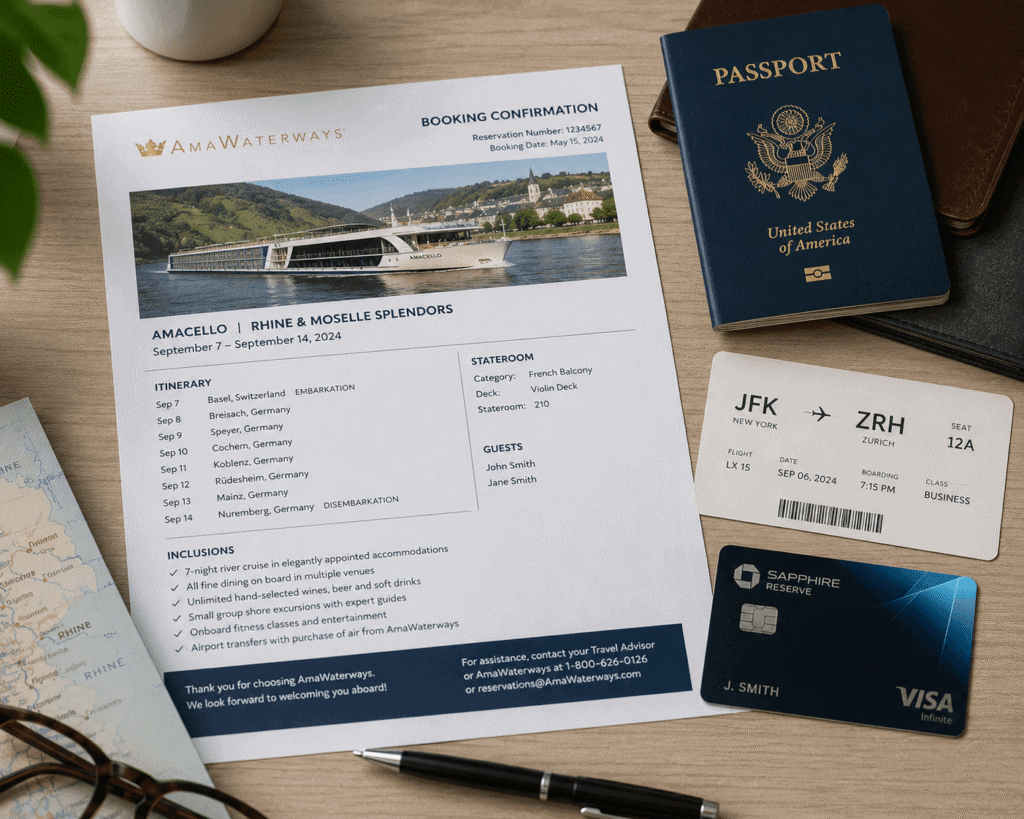
One genuinely useful habit, regardless of your insurance situation: keep all of your booking confirmations, policy documents, and cruise line contact information in a single, organized place before you ever need it. When a cruise is cancelled on a Friday evening, and you need your policy number at 9 pm, a travel document organizer pays for itself immediately.
What to Do Right Now If Your Cruise Was Just Cancelled
Step 1: Do Not Accept Anything Yet
The cruise line’s first offer is rarely their final or best offer, and it is always structured to favor the cruise line. Read what they sent. Do not click “accept” or “confirm” until you have done steps 2 through 4.
Step 2: Confirm Your Refund Rights
If your cruise was departing from a U.S. port, review the FMC’s cruise passenger assistance page. Confirm whether you’re being offered what you’re actually entitled to. If the cruise line is offering only an FCC with no cash alternative and you sailed from a U.S. port, that may not be compliant with FMC regulations.
Step 3: Read Every Word of the FCC Terms Before Saying Yes
If you are leaning toward accepting the Future Cruise Credit, locate the specific terms document, not the marketing summary, the actual terms. Confirm the expiration date, what sailings it can be applied to, whether it can be combined with other offers, and what happens if your rebooking costs less than the FCC value. If anything is unclear, ask for clarification in writing.
Step 4: Contact Your Travel Advisor and Your Insurance Provider
Both calls belong on the same day. Your advisor can escalate with the cruise line, advise you on whether the offer is fair, and start identifying alternatives. Your insurance provider can tell you exactly what you’re covered for given your specific policy and the cruise line’s cancellation, particularly for any non-refundable trip components like airfare. Whether or not you’re thinking of booking a future cruise right now, a quick conversation about what happens next is worth getting on my calendar.
FAQs: What to Do When Your Cruise Is Cancelled
How long does a cruise line have to issue my refund after cancelling?
Most cruise line policies state refunds will be processed within 7 to 30 business days of the cancellation, depending on the cruise line and your payment method. Credit card refunds typically process faster than check refunds. If you haven’t seen your refund within 30 days, contact the cruise line in writing and keep a record of all communications.
Can a cruise line cancel my trip and legally keep my money?
No. If the cruise line cancels your sailing and you elect not to sail on a substituted voyage, you are entitled to a cash refund of all amounts paid. For sailings from U.S. ports, this is reinforced by FMC regulations. If the cruise line refuses, you can file a complaint with the FMC or pursue a credit card chargeback.
What if my Future Cruise Credit expires before I can use it?
Once an FCC expires, it is generally gone. Cruise lines rarely reinstate expired credits. Before accepting an FCC, ask whether the expiration date can be extended (some cruise lines will accommodate this request) and confirm the exact expiration date in writing. If you accept an FCC and are approaching the expiration without a booked trip, call the cruise line immediately to discuss extension options rather than waiting until after expiry.
What is the difference between trip cancellation insurance and Cancel for Any Reason coverage?
Standard trip cancellation insurance reimburses 100% of covered losses, but only for specific covered reasons like illness or severe weather. Cancel for Any Reason coverage reimburses up to 75% of prepaid trip costs regardless of why you cancel, but must be purchased within 10 to 21 days of your first trip payment and costs more than standard coverage.
Can I dispute my cruise charge with my credit card if the cruise line won’t refund me?
Yes. If the cruise line cancels your sailing and refuses to issue the refund you’re entitled to, you can file a chargeback with your credit card issuer. Keep all documentation of the cancellation notice, your refund request, and any communications with the cruise line. Credit card companies generally take cancellation disputes seriously, particularly when there is written documentation.
What does a travel advisor actually do when a cruise is cancelled?
A travel advisor contacts the cruise line through their direct advisor support channel, bypassing the public hold queue entirely. The goal is to turn a chaotic situation into an organized action plan without you spending days on hold.
Does it cost more to book a cruise through a travel advisor?
No. Travel advisors are compensated by the cruise line through commission, not by you directly. In most cases, you pay the same price booking through an advisor as booking direct, and often receive additional amenities, perks, or credits that aren’t available on the cruise line’s own website. The advisor’s value shows up most clearly when something goes wrong, which is exactly when direct bookers find themselves wishing they had one.
Should I accept the Future Cruise Credit or demand a cash refund?
It depends entirely on your situation. If you love this cruise line, plan to sail with them again within the FCC validity window, and the bonus percentage represents real value to you, the FCC can be a good choice. If you have any hesitation about rebooking with this line, any uncertainty about your travel timeline, or any doubt about the FCC terms, take the cash refund. A 110% credit you can’t use is worth less than a 100% refund you can spend on anything.
Before You Go
If your cruise was just cancelled and you’re trying to figure out your next move, I’m happy to help you think it through. No obligation, no pitch. Just a conversation with someone who has navigated this exact situation with clients and knows what good and bad outcomes look like from both sides. You can reach me here.
And if you’re in the planning stage rather than the crisis stage, this is exactly the right moment to think about how you’re booking and what protections you have in place. Here’s a post on whether now is the right time to book 2026 travel, and how to book smart from the start.
Final Thoughts
A cancelled cruise is one of those travel experiences that reveals exactly how much protection you actually have, and how quickly a great trip idea can turn into a frustrating, expensive bureaucratic exercise if you’re navigating it without the right information or the right support.
The good news is that you have more rights than most cruise lines will lead with, more options than the first offer suggests, and more leverage than you probably think. The bad news is that you have to know all of that going in, because nobody from the cruise line’s customer service team is going to call you and explain it unprompted.
Having someone in your corner who has done this before is not a luxury. It is the most practical travel purchase you can make.
Cancellations are exactly when having an advisor stops being a nice-to-have. This is what Mike does when a sailing falls apart.
Written by Sue Nelson, Travel Advisor | Adventures by MJ | Updated for 2027
Affiliate Disclosure: This post may contain affiliate links. If you make a purchase through one of these links, we may earn a commission at no additional cost to you. We only recommend products and services we believe may be helpful to travelers.
Hi, I'm Sue. I plan cruises, all-inclusive resorts, and slow multi-country trips through Europe. I'm a certified Hawaii travel specialist, and I book through host agency Outside Agents as a member of the Travel Leaders Network. Twenty years in senior HR leadership before this, which mostly taught me how to read what people actually want. I live in Grain Valley, Missouri with my husband and business partner Mike.