
Last updated: October 2, 2026 :: Written by Sue Nelson, Travel Advisor | Adventures by MJ
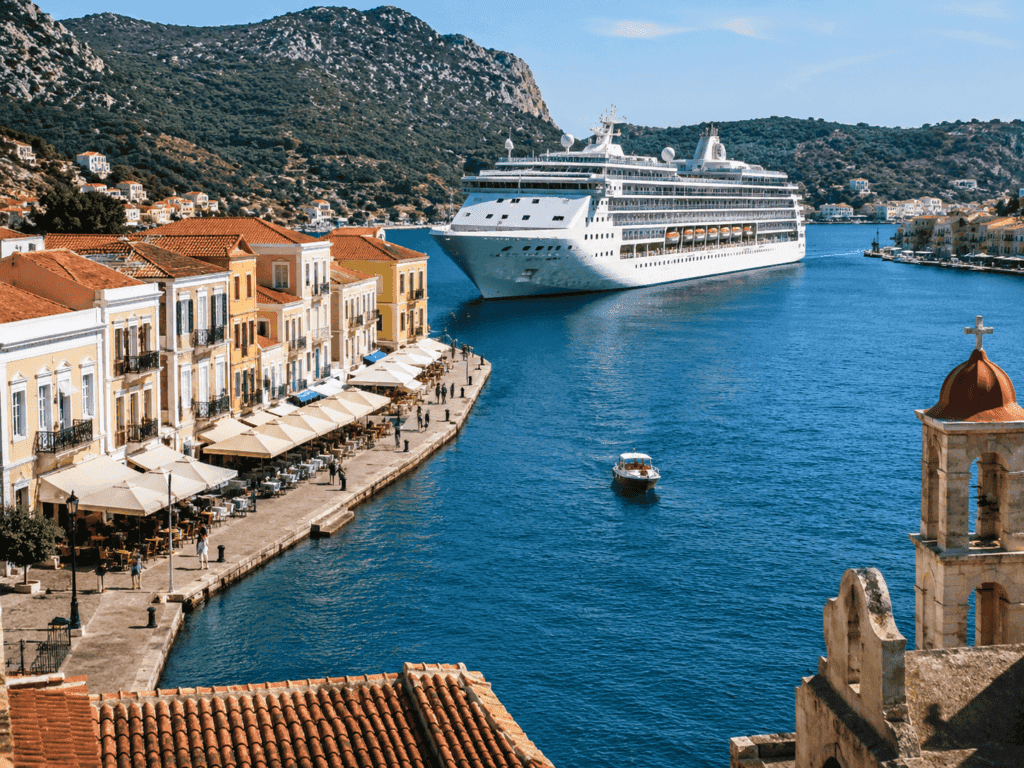
Here’s the thing about Mediterranean cruises. The minute you Google “best Mediterranean cruise,” you get hit with about 47 cruise line ads, 12 listicles that all sound suspiciously alike, and a vague feeling that you’ve been here before. You probably have. The Mediterranean is the most-cruised waterway in the world outside the Caribbean, and the marketing machine knows it.
What none of those pages tell you is the actual question that matters: which region of the Mediterranean is right for the trip you actually want? Because “Mediterranean cruise” is not one decision. It’s three decisions, three very different vacations, and three very different vibes.
I book Mediterranean cruises for clients all year, and the conversation almost always starts the same way: “We want to do a Mediterranean cruise.” Followed, about five minutes later, by “Wait, there’s a difference?
There is. A big one. Let’s sort it out.
If you’ve landed on this post looking for an honest Mediterranean cruise comparison, you’re in the right place. This is the guide I wish my clients had before they called me.
Quick Answer: The best Mediterranean cruise itineraries for 2027 fall into three regions. Western Mediterranean sails Barcelona, the French Riviera, the Italian coast, and Rome (best for first-timers and travelers who want big-name cities). Eastern Mediterranean sails Croatia, Venice, Greece, and Turkey (best for history lovers and those wanting a more cultural, less crowded trip). Greek Isles sails Athens plus Santorini, Mykonos, Rhodes, Crete, and sometimes Turkey (best for island-hoppers, beach lovers, and Instagram-bucket-list trips). Best months are May, June, September, and October. Avoid July and August unless you love crowds and heat. Book 9 to 12 months ahead for prime dates.
At a Glance: Mediterranean Cruise Regions (2027)
- Best for first-time Mediterranean cruisers: Western Mediterranean
- Best for history and culture: Eastern Mediterranean
- Best for island-hopping and beaches: Greek Isles
- Best months overall: May, June, September, October
- Worst months for crowds and heat: July and August
- Average cruise length: 7 nights for most regions, 10 to 14 nights for deeper itineraries
- Average 2027 price: $800 to $2,800 per person for an inside cabin, $1,800 to $4,500 for a balcony
- 2027 reality check: Santorini now caps cruise visitors at 8,000 per day, which means your ship may not be calling there at all
Key Takeaways: Mediterranean Cruise Itineraries
- Most Mediterranean cruises are seven nights, but the routes are wildly different. Don’t book on price alone.
- Western Med is the easiest pick for first-timers. Barcelona, Rome, the French Riviera, and the Italian coast are familiar names with serious infrastructure.
- Eastern Med is the better cultural trip. Croatia and Turkey are stunning, underpriced compared to Italy, and far less crowded.
- Greek Isles cruises are now subject to the Santorini 8,000-passenger daily cap, which is reshaping which itineraries actually call there in 2027.
- May, June, September, and October are the best months. Skip July and August unless heat and crowds are your love language.
- Royal Caribbean, Celebrity, Norwegian, Princess, Holland America, MSC, and the luxury lines (Oceania, Viking Ocean, Regent, Silversea, Windstar) all run Mediterranean itineraries. The line you choose matters as much as the region.
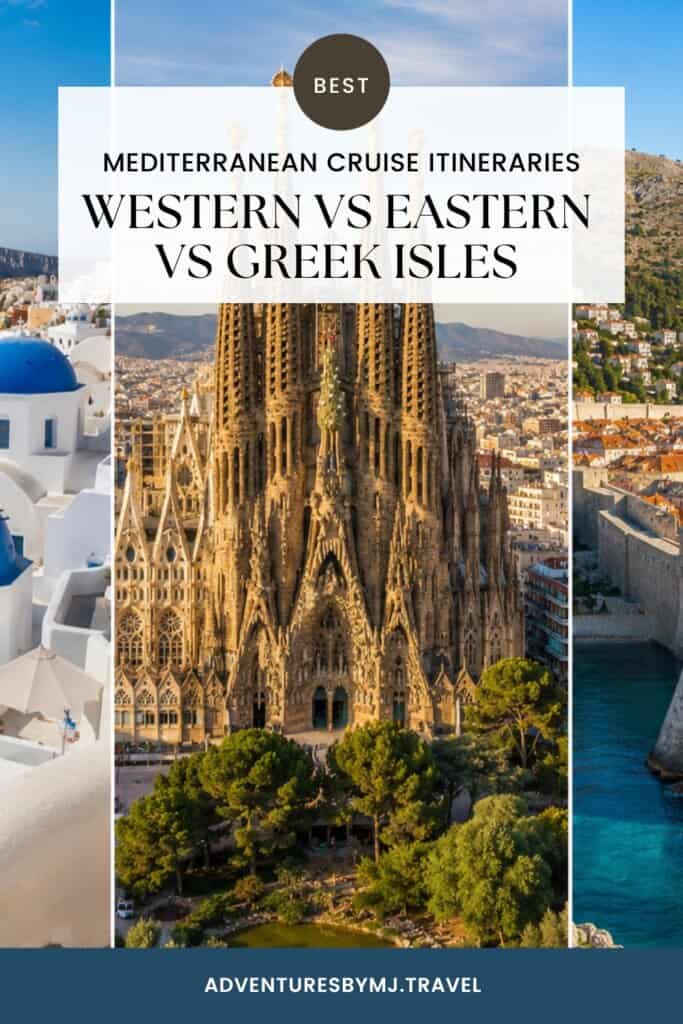
Port days are appetizers. Our free Slow Europe Planner is for when you want the full meal. Download it below.
What Are the Three Mediterranean Cruise Regions?
Before you compare itineraries, you need to know what you’re actually comparing. The cruise industry slices the Mediterranean into three regional buckets, and each one is a totally different vacation.
Western Mediterranean typically sails Barcelona, Palma de Mallorca, Marseille, the French Riviera (Cannes, Nice, Monaco), Italian Riviera ports (Genoa, La Spezia for Cinque Terre, Livorno for Florence and Pisa), Rome (via Civitavecchia), Naples (for Pompeii, Capri, and Sorrento), and sometimes Sicily or Malta.
Eastern Mediterranean typically sails Venice (or Trieste or Ravenna since Venice’s large-ship ban), the Croatian coast (Split, Dubrovnik, Hvar), Greek mainland ports like Piraeus (Athens) and Katakolon (Olympia), Istanbul in Turkey, and sometimes Cyprus, Israel (when conditions allow), or Egypt.
Greek Isles is technically a subset of the Eastern Mediterranean, but it’s marketed and booked separately because it’s such a distinct experience. These itineraries focus on island-hopping: Santorini, Mykonos, Rhodes, Crete (Heraklion), Corfu, plus typically Athens and often a couple of Turkish ports like Kusadasi (for Ephesus) or Bodrum.
Three regions. Three completely different trips. Let me walk you through each. (Quick tip before we dive in: I tell every first-time Mediterranean cruiser to grab the Rick Steves Mediterranean Cruise Ports guide. It’s organized port by port, written by someone who’s actually walked these streets, and it’s the single best background read for any Med cruise regardless of which region you pick.)
When travelers search for “best Mediterranean cruise itineraries,” they’re usually trying to compare a western Mediterranean cruise itinerary against an eastern Mediterranean cruise itinerary or a Greek Isles cruise itinerary for 2027. The honest answer is that you don’t compare them as better or worse. You compare them as different. Which is what the rest of this post will help you do.
What Is a Western Mediterranean Cruise Itinerary? (Best for First-Timers)
Western Mediterranean Cruise at a Glance
- Embarks from: Barcelona or Rome (Civitavecchia)
- Top ports: Barcelona, Palma de Mallorca, Cannes, Monaco, Cinque Terre, Rome, Naples, Capri
- Length: 7 to 10 nights
- Best for: First-time Mediterranean cruisers, big-name cities, families
- Best months: May, June, September, October
- Top lines: Royal Caribbean, Celebrity, Princess, MSC, Viking Ocean
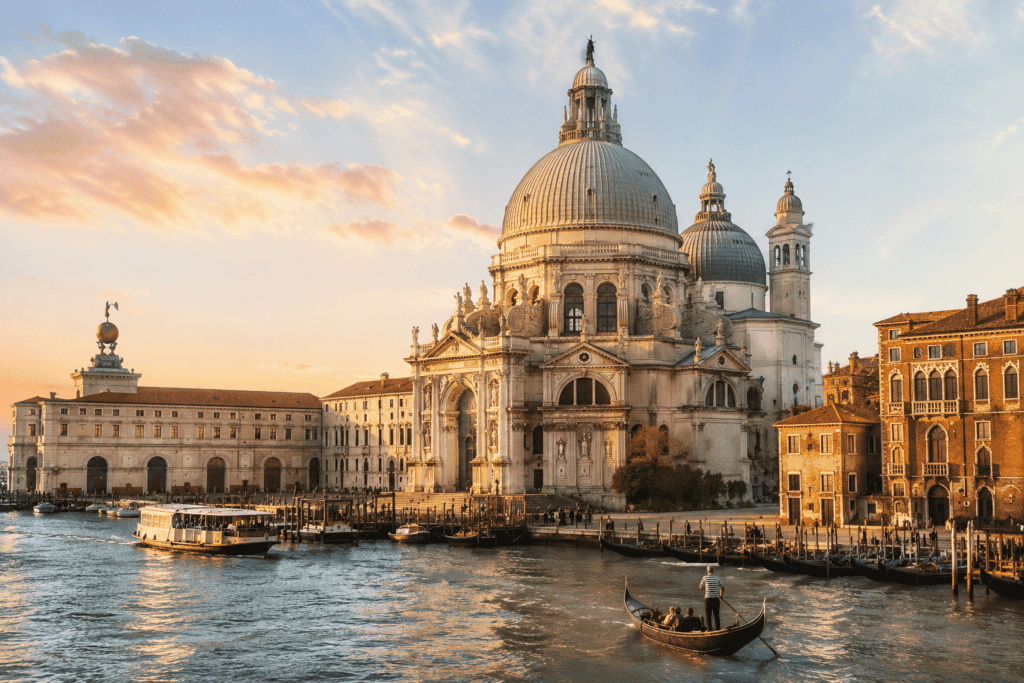
The Western Mediterranean is the most-booked Mediterranean cruise region, and for good reason. The ports are famous, the infrastructure is excellent, the food is exceptional, and the cultural payoff per day is high.
A typical seven-night Western Mediterranean itinerary embarks in Barcelona, sails to Palma de Mallorca, then to France (usually Provence via Marseille, since Cannes and Nice now limit big ships), down to the Italian Riviera (La Spezia for Cinque Terre or Genoa for Portofino), to Rome (Civitavecchia), and to Naples for Pompeii or Capri before returning to Barcelona. Some itineraries swap directions or substitute Palermo, Sicily, or Malta.
What you actually see: The Sagrada Familia in Barcelona, the Vatican and Colosseum in Rome, Pompeii’s preserved Roman streets, Capri’s Blue Grotto, the colorful villages of Cinque Terre, Monte Carlo’s casinos and yacht harbor, and the Promenade des Anglais in Nice.
Why I recommend it for first-timers: Big-name cities mean easier excursions, more English-speaking guides, abundant taxi and transit options, and ports that handle thousands of passengers without melting down. If something goes wrong (and on cruise excursions, something always goes a little wrong), you have backup options.
Honest take: Western Med is the meat-and-potatoes of Mediterranean cruising. The ports are crowded in peak summer, and Rome from Civitavecchia is a 60- to 90-minute one-way slog. But the experience is bucket-list dense, and you’ll come home with the cliché trip everyone says they want.
Best cruise lines for Western Med 2027: Royal Caribbean (the new Icon-class Legend of the Seas sails seven-night Western Med cruises from Barcelona and Rome), Celebrity, Norwegian, Princess, MSC, and the luxury lines including Viking Ocean’s Iconic Western Mediterranean itinerary sailing Barcelona to Rome.
Sample Western Mediterranean Itinerary (7 Nights)
- Day 1: Embark in Barcelona, overnight in port
- Day 2: Palma de Mallorca, Spain
- Day 3: Provence (Marseille), France
- Day 4: Florence/Pisa from Livorno, Italy
- Day 5: Rome from Civitavecchia, Italy
- Day 6: Naples for Pompeii or Capri, Italy
- Day 7: Sea day, returning to Barcelona
- Day 8: Disembark in Barcelona
What Is an Eastern Mediterranean Cruise Itinerary? (Best for Culture and Lower Crowds)
Eastern Mediterranean Cruise at a Glance
- Embarks from: Venice/Trieste, Athens, or Istanbul
- Top ports: Venice, Split, Dubrovnik, Athens, Olympia, Ephesus, Istanbul
- Length: 7 to 14 nights
- Best for: History and culture lovers, second-time cruisers
- Best months: May, June, September
- Top lines: Celebrity, Holland America, Oceania, Viking Ocean
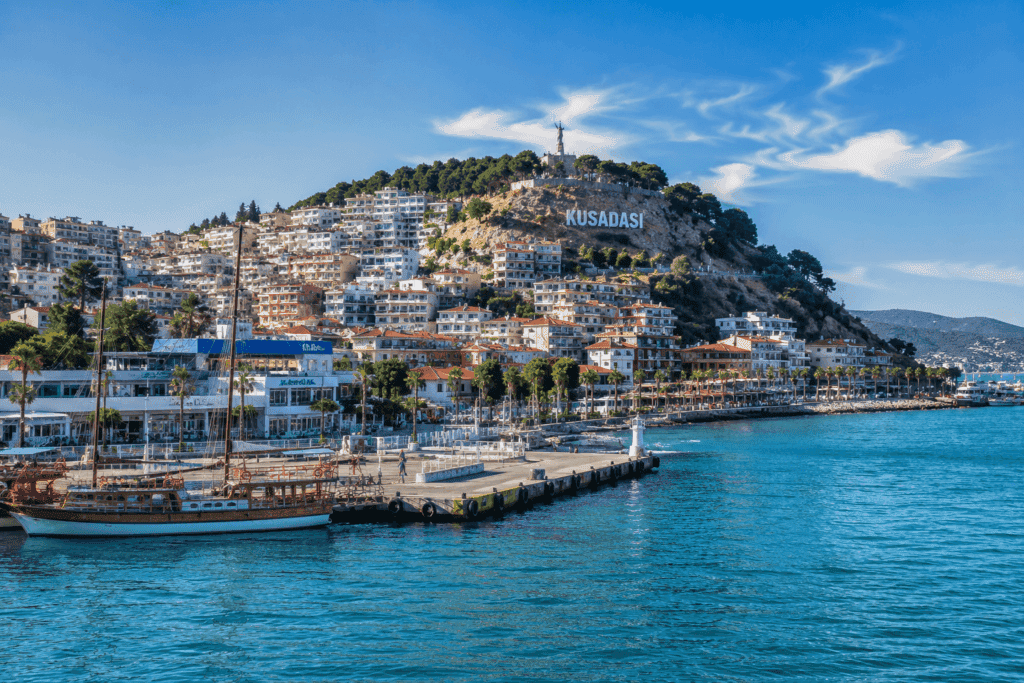
The Eastern Mediterranean is the trip you take after you’ve done the Western one and want something deeper. The ports are older, the history is heavier, and the prices (for both the cruise and what you’ll spend ashore) tend to be lower.
A typical seven- to ten-night Eastern Mediterranean itinerary embarks in Venice (or Trieste or Ravenna, depending on the line), sails down the Croatian coast to Split and Dubrovnik, continues to Greek mainland or island ports like Corfu, Katakolon (for Olympia), and Piraeus (for Athens), often crosses to Kusadasi in Turkey for Ephesus, and either returns to the embarkation port or one-ways to Athens or Istanbul.
What you actually see: Diocletian’s Palace in Split, Dubrovnik’s medieval walls (yes, Game of Thrones), the Acropolis and Parthenon in Athens, the ruins of ancient Olympia, the marble streets of Ephesus, Venice’s canals (if your itinerary still embarks there post-restrictions), and Croatia’s stunning Adriatic coastline.
Why I recommend it for culture-first travelers: The history is older and more intact than most of Western Europe. Ephesus alone is worth the airfare. Dubrovnik is one of the most beautiful walled cities in the world. And Croatia in particular feels like Italy did 30 years ago, before everyone showed up.
Honest take: Eastern Med is less convenient than Western Med (more port days, longer transfer times, sometimes more unpredictable weather in shoulder season). But it rewards the traveler who wants to feel like they’ve actually gone somewhere, not just visited the tourist version. Turkey’s political situation can affect Istanbul calls, so always check the latest sailing details. Israel has been off most itineraries since late 2023; check with your advisor for current 2027 status before booking anything that lists it.
Best cruise lines for Eastern Med 2027: Celebrity (consistently strong in this region), Royal Caribbean, Norwegian, Holland America, Oceania (excellent for deeper itineraries), Viking Ocean, and the smaller luxury lines like Regent Seven Seas and Silversea.
Sample Eastern Mediterranean Itinerary (9 Nights)
- Day 1: Embark in Venice (or Trieste)
- Day 2: Sea day in the Adriatic
- Day 3: Split, Croatia
- Day 4: Dubrovnik, Croatia
- Day 5: Corfu, Greece
- Day 6: Katakolon for Olympia, Greece
- Day 7: Athens (Piraeus), Greece
- Day 8: Kusadasi for Ephesus, Turkey
- Day 9: Sea day in the Aegean
- Day 10: Disembark in Istanbul or back to Venice
What Does a Greek Isles Cruise Itinerary Look Like in 2027?
Greek Isles Cruise at a Glance
- Embarks from: Athens (Piraeus), occasionally Istanbul
- Top ports: Mykonos, Santorini, Rhodes, Crete, Corfu, Ephesus
- Length: 7 nights, occasionally 10
- Best for: Island-hopping, beaches, photogenic ports
- Best months: Late May, June, September
- Top lines: Celebrity, Norwegian, Virgin Voyages, Windstar, Azamara
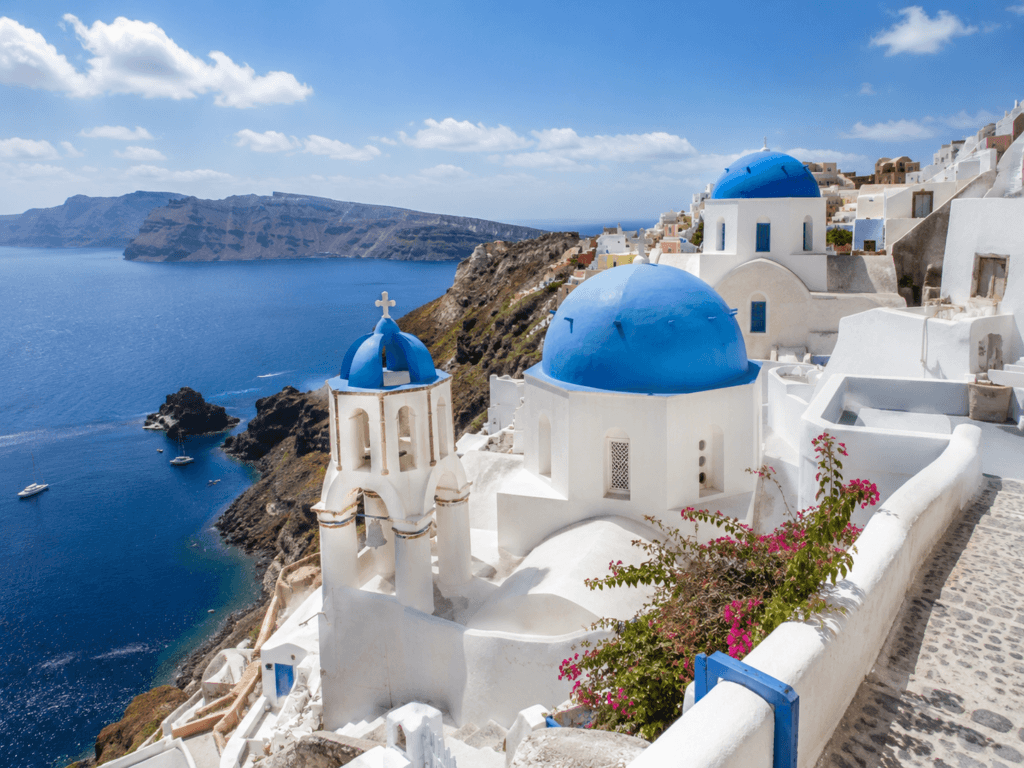
The Greek Isles cruise is its own animal. It’s the Instagram-bucket-list version of the Mediterranean, the one with the white-and-blue villages perched on volcanic cliffs and beach clubs that pulse until 4 a.m. and ports so photogenic they feel almost staged.
A typical seven-night Greek Isles itinerary embarks in Athens (Piraeus), sails to Mykonos (usually with an overnight or late departure so you can catch the nightlife), to Santorini, often to Rhodes for the UNESCO-listed Old Town, sometimes to Crete (Heraklion), occasionally to Corfu, and frequently crosses to Kusadasi in Turkey for Ephesus before returning to Athens.
What you actually see: Santorini’s caldera at sunset from Oia, Mykonos’s Little Venice and windmills, the medieval Old Town of Rhodes, the Knossos archaeological site on Crete, the marble streets and Library of Celsus at Ephesus, and the Acropolis in Athens.
The 2027 reality check on Santorini: Since 2025, Santorini has capped cruise visitors at 8,000 per day. In 2026 the port started counting every ship as full, which cut scheduled calls by about 18%. Greece also charges cruise passengers a 20-euro fee there from June through September. Pre-cap, the island was seeing daily volumes of 11,000 to 17,000 cruise passengers on peak days, which had become genuinely unmanageable. The cap is dramatically improving the on-island experience for the cruise passengers who do get to call, but it also means some cruise lines have lost Santorini stops on certain dates. Always confirm Santorini is actually on your specific sailing’s itinerary, not just the brochure promise. CNN’s reporting on Santorini’s overtourism problem is worth a read if you want the backstory.
Why I recommend it for first-time Greece travelers: A Greek Isles cruise lets you see four or five islands in a week without renting cars, hauling luggage on ferries, or making 12 different hotel decisions. That’s the entire point of cruising, applied to a destination where the alternative is genuinely exhausting.
Honest take: Greek Isles cruises are wildly popular and selling out fast. They’re also the most photogenic Mediterranean trip you can book and the easiest for first-time Greece travelers. Just know that Santorini will be the most crowded port even with the cap, and Mykonos is essentially a party island with a charming old town attached. Pick your line carefully based on the energy you actually want on board.
Best cruise lines for Greek Isles 2027: Celebrity (their Eastern Med and Greek Isles programs are widely considered the strongest in the category), Norwegian, Royal Caribbean, Virgin Voyages (adults-only, party-forward), and the smaller-ship options like Windstar (under 350 passengers, reaches ports the big ships can’t), Azamara, and Viking Ocean.
Sample Greek Isles Itinerary (7 Nights)
- Day 1: Embark in Athens (Piraeus)
- Day 2: Mykonos, Greece (often late departure or overnight)
- Day 3: Kusadasi for Ephesus, Turkey
- Day 4: Patmos or Rhodes, Greece
- Day 5: Crete (Heraklion), Greece
- Day 6: Santorini, Greece
- Day 7: Sea day, returning to Athens
- Day 8: Disembark in Athens
When Is the Best Time for a Mediterranean Cruise in 2027?

The Mediterranean cruise season runs roughly April through November. Within that window, there are real differences worth knowing before you book.
Mediterranean Cruise Months at a Glance (2027)
- April: Cool weather, smaller crowds, lowest prices, some risk of rain
- May: Excellent. Mild weather, full bloom, prices 15 to 20% below summer
- June: Excellent. Warm, manageable crowds, schools not out yet for first half
- July: Peak. Hottest, most crowded, most expensive
- August: Peak. Same as July, plus European holiday traffic in some ports
- September: The best month overall. Warm seas, fewer crowds, harvest season
- October: Great in the Western Med, can be rainy in the East late in the month
- November: Shoulder. Limited sailings, cooler, cheaper
May and June are the best months overall. Mild temperatures (low 70s to mid-80s), gardens and countryside in full bloom, manageable crowds, and pricing that’s noticeably lower than peak summer. May is roughly 15 to 20% cheaper than July and August on most lines and itineraries.
July and August are peak summer. Average temperatures hit the mid-90s in parts of Italy and Greece, and ports like Santorini, Dubrovnik, and Barcelona are at maximum crowd levels. Prices are at their highest.
Families with school-aged kids often have no choice but to sail these months, and that’s fine, but expect the heat and the crowds and plan accordingly. (If you’re sailing in peak summer, a cooling neck towel is genuinely the single most useful $15 you can spend. Roll it in cold water, drape it around your neck, and the next two hours of Pompeii ruins become significantly more tolerable.)
September and October are my personal favorite for Mediterranean cruising. Sea temperatures are still warm enough to swim, crowds have thinned, prices drop, and the wine harvest is in full swing in Italy, France, and Greece. Late October can get rainy in the Eastern Med but is still genuinely lovely in the West.
November through March is shoulder season for the few ships that sail it. Cheaper, less crowded, but cooler weather and shorter days mean some excursions feel less rewarding.
Mediterranean Cruise Regions: Side-by-Side (2027)
A travel advisor’s quick-glance comparison of Western, Eastern, and Greek Isles itineraries.
| What You’re Comparing | Western Mediterranean | Eastern Mediterranean | Greek Isles |
|---|---|---|---|
| Typical embarkation ports | Barcelona, Rome (Civitavecchia) | Venice/Trieste, Athens, Istanbul | Athens (Piraeus), occasionally Istanbul |
| Marquee ports | Barcelona, Palma, Cannes, Monaco, Cinque Terre, Rome, Naples, Capri | Venice, Dubrovnik, Split, Athens, Olympia, Ephesus, Istanbul | Mykonos, Santorini, Rhodes, Crete, Corfu, Ephesus |
| Typical cruise length | 7 to 10 nights | 7 to 14 nights | 7 nights, occasionally 10 |
| Best for | First-time Mediterranean cruisers, big-name cities | History and culture, lower crowds | Island-hopping, beaches, photogenic ports |
| Best months | May, June, September, October | May, June, September | Late May, June, September |
| Avoid these months | July and August (heat and crowds) | Late October (rain), August (heat) | July and August (extreme crowds, Santorini cap) |
| Average 2027 price (inside cabin, 7 nights) | $1,400 to $2,500 per person | $1,200 to $2,200 per person | $800 to $2,800 per person |
| Average 2027 price (balcony, 7 nights) | $2,200 to $3,800 per person | $1,800 to $3,200 per person | $1,800 to $4,500 per person |
| Crowd level (peak summer) | Very high (especially Rome, Barcelona) | Moderate to high (Dubrovnik is the hot spot) | Capped now in Santorini, still high elsewhere |
| Family-friendliness | Excellent (mainstream lines, big ships) | Good for older kids and teens | Good, but heat and ports favor older kids |
| Cultural depth | High (Roman, Renaissance, French Riviera) | Highest (Byzantine, Ottoman, ancient Greek) | Strong (ancient Greek, plus Knossos and Ephesus) |
| Beach quality | Limited shore time at beaches | Some beach days (Croatia especially) | Best of the three for beach access |
| Top cruise lines | Royal Caribbean, Celebrity, Norwegian, Princess, MSC, Viking Ocean | Celebrity, Holland America, Oceania, Viking Ocean, Regent | Celebrity, Norwegian, Royal Caribbean, Virgin Voyages, Windstar, Azamara |
| Honest verdict | Best first Mediterranean cruise overall | Best second Mediterranean cruise | Best if Greece is the trip you came for |
Sources: Cruise Lines International Association 2026 State of the Cruise Industry Report; cruise line published 2027 itineraries; current public pricing data. Pricing varies by departure date, line, and cabin category and changes frequently.
How Much Does a Mediterranean Cruise Cost in 2027?
Pricing varies wildly by line, cabin category, season, and itinerary length. Here are the honest 2027 ranges to plan around.
Mainstream lines (Royal Caribbean, Celebrity, Norwegian, Princess, MSC, Holland America): $800 to $2,500 per person for an inside cabin on a seven-night itinerary. Balcony cabins typically run $1,800 to $3,500. Suites start around $3,500 and go significantly higher.
Premium lines (Viking Ocean, Oceania, Azamara): $3,500 to $7,000 per person for seven nights in a balcony cabin, with much more included (gratuities, Wi-Fi, often shore excursions and beverages).
Luxury lines (Regent Seven Seas, Silversea, Crystal): $7,000 to $15,000+ per person for seven nights, with drinks, tips and Wi-Fi included. Regent also covers shore excursions and, on many sailings, airfare. Crystal doesn’t, so check what your fare includes.
Small-ship and yacht-style (Windstar, SeaDream, Ponant): $4,500 to $10,000+ per person, depending on the itinerary and cabin.
A good rule of thumb: budget about $200 to $400 per person per day on top of the cruise fare for shore excursions, drinks not included, gratuities (on lines that don’t include them), and incidentals.
Pros and Cons by Region
Western Mediterranean Pros: Bucket-list cities, most familiar ports, easiest for first-timers, best excursion infrastructure, most cruise line options.
Western Mediterranean Cons: Largest crowds, longest port-to-city transfers (Rome is 60 to 90 minutes from Civitavecchia), highest peak-season pricing.
Eastern Mediterranean Pros: Deeper history, lower prices ashore, less crowded than Western, stunning Croatian coast, world-class ancient ruins.
Eastern Mediterranean Cons: More unpredictable shore weather, longer travel days, geopolitical sensitivity in some ports, fewer departure dates than Western.
Greek Isles Pros: Most photogenic Mediterranean trip, easy island-hopping without ferries, beach access, vibrant nightlife (if you want it), strong cultural and historical sites.
Greek Isles Cons: Santorini cap means some itineraries skip the island, peak-summer crowds are intense, more “party energy” on certain ships, lower port diversity than Western or Eastern.
Western, Eastern, or Greek Isles? Pick Your Mediterranean.
A 90-second decision guide from a travel advisor who books all three
1. Is this your first Mediterranean cruise?
WESTERN MED
Yes, this is the easiest first pick. Famous cities, easy logistics, most options.
EASTERN MED
Better as a second Mediterranean cruise once you know what you like.
GREEK ISLES
Great first cruise if Greece is the actual trip you’ve been dreaming about.
2. What are you most excited about?
WESTERN MED
Rome, Barcelona, the French Riviera, Italian food, the bucket list checked off.
EASTERN MED
Ancient history, Croatian coastline, Ephesus, fewer crowds, deeper culture.
GREEK ISLES
White-and-blue villages, beaches, sunsets in Oia, nightlife in Mykonos.
3. How do you feel about crowds?
WESTERN MED
Largest crowds, especially Rome and Barcelona in peak summer.
EASTERN MED
More moderate, except Dubrovnik. Generally calmer than Western Med.
GREEK ISLES
Santorini cap helps. Mykonos and others still busy in peak summer.
4. Are you traveling with kids?
WESTERN MED
Best for families. Big mainstream ships, kids’ clubs, familiar excursions.
EASTERN MED
Better for older kids and teens who can handle long port and culture days.
GREEK ISLES
Good for families if older kids. Heat and ports can be tough for little ones.
5. What about beach time?
WESTERN MED
Limited beach access between port days. This isn’t a beach trip.
EASTERN MED
Some beach days, especially in Croatia. Beach quality is excellent.
GREEK ISLES
Best of the three. Mykonos and Santorini have famous beach clubs.
STILL CAN’T DECIDE?
First-timer or family with younger kids? Lean Western Med.
Culture-first, history lover, second Med cruise? Lean Eastern Med.
Greece is the dream and beaches are non-negotiable? Lean Greek Isles.
Want a second opinion built around your travel style? Book a discovery call.
Which Cruise Lines Are Best for the Mediterranean in 2027?

A few honest opinions from booking experience.
For first-time Mediterranean cruisers: Celebrity Cruises and Princess. Both have polished, premium-but-not-precious experiences with strong Med itineraries and serious cultural programming.
For families: Royal Caribbean and Norwegian. Mega-ship amenities, water parks, kids’ clubs, and itineraries that hit the big names without making everyone hike up a hill in 95-degree heat.
For adults who want more sophistication: Celebrity, Viking Ocean (no kids under 18 on river or ocean), and Oceania (foodie-forward, smaller ships, deeper itineraries).
For luxury and all-inclusive: Regent Seven Seas, Silversea, and Crystal. Expensive, but truly all-in pricing once you account for what’s bundled.
For boutique and small-ship adventurers: Windstar (under 350 guests, reaches ports the big ships can’t), Azamara (extended stays in port, often overnights), and Ponant (luxury small-ship French line).
For best value: MSC Cruises. European line with serious Mediterranean credibility and prices noticeably below American mainstream lines.
According to Cruise Lines International Association’s 2026 State of the Cruise Industry Report, 40.3 million ocean cruise passengers are projected worldwide in 2027, and the Mediterranean is the second-biggest cruise region after the Caribbean. Translation: book early or pay more.
Real-World Booking Tips Most Articles Skip
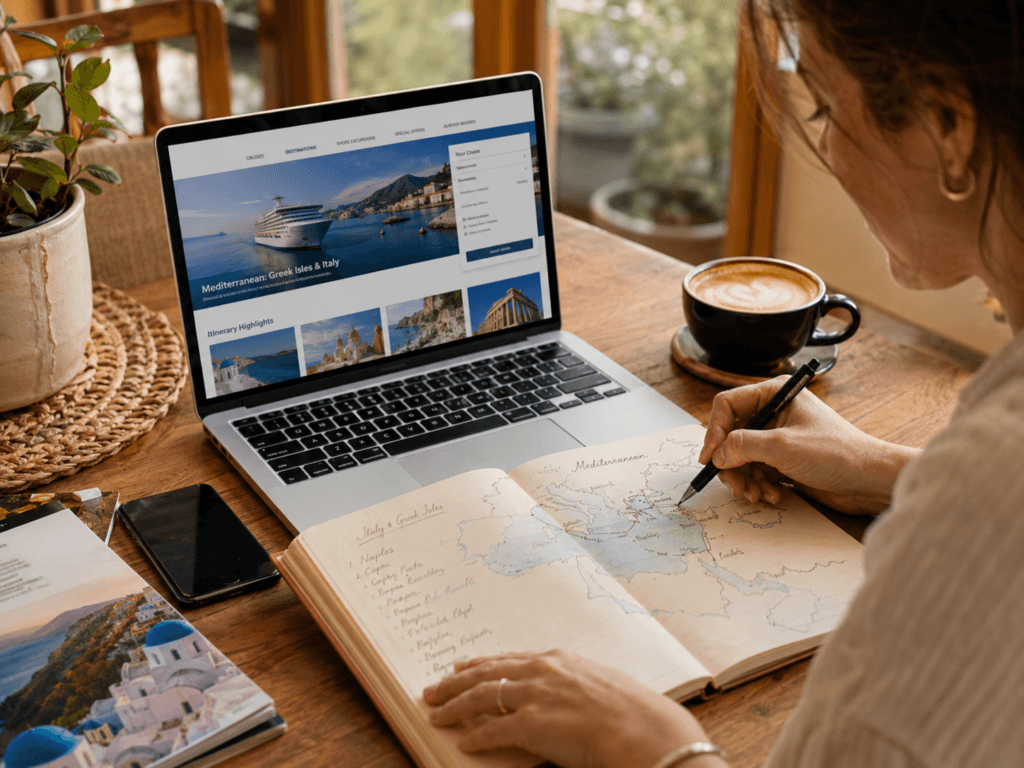
A few things you’ll only hear from someone who books these for a living.
Book 9 to 12 months ahead for prime months. May, June, September, and October on the best itineraries sell out 9 to 12 months in advance. By the time you see “limited availability” on the booking site, you’ve already lost the good cabins.
Pre- or post-cruise hotel nights are not optional. Mediterranean cruises often involve trans-Atlantic flights with same-day boarding, which is a logistics disaster waiting to happen. Always plan to arrive a day or two early in your embarkation port. Always.
Bring an anti-theft bag, especially in Barcelona, Rome, and Naples. Pickpocketing in Mediterranean cruise ports is genuinely common and almost always targets tourists looking obviously like tourists. A simple anti-theft crossbody travel bag with locking zippers and RFID-blocking pockets handles 99% of the risk. It’s not paranoia. It’s just pattern recognition.
Confirm Santorini is on your actual sailing. With the 8,000-passenger daily cap, some Greek Isles itineraries quietly skip Santorini on certain dates. Read the fine print or ask your advisor to verify before final payment.
Pick your shore excursions strategically. Cruise line excursions are convenient but expensive. Independent guides booked in advance through services like ToursByLocals or Viator are often half the price and twice as good. I help clients build excursion plans that mix both.
Pack lighter than you think. Cruise cabins are small, and closet space is real estate. A set of compression packing cubes is the single most useful $30 you can spend before any cruise. Plus they help dramatically when you’re moving between pre- and post-cruise hotel nights.
Bring your own adapter, and make it universal. European cruise itineraries hit multiple countries and at least two different outlet styles, and Italy sometimes adds a third. A universal travel adapter with USB-C ports handles every variation you’ll meet, ship cabin included, and charges three things at once. The one you already own from your last trip probably doesn’t have USB-C. Upgrade.
Travel insurance is non-negotiable. International medical emergencies, missed connections from Europe back to the ship, and lost-bag situations are all expensive without coverage. Buy the policy.
Quick Voice Search Answers: Mediterranean Cruise Itineraries
Which cruise visits both Western and Eastern Mediterranean ports?
Look for a 10- to 14-night sailing that links Barcelona or Rome with Athens or Istanbul. That puts Italy, and often Spain, on the same trip as Greece. Many of these are one-way, so you’ll book an open-jaw flight home, and I think the extra countries are worth that small hassle.
Is an Eastern or Western Mediterranean cruise better?
Western is better for a first Mediterranean cruise, with famous cities and easy logistics, and Eastern is better for older history, Croatia, Greece and lower prices ashore. If you’ve already seen Rome and Barcelona, go east.
How do 7-, 10- and 14-night Mediterranean cruises compare?
Seven nights covers one region well. Go 10 to 14 nights if you want Italy and Greece on the same trip, or a few sea days to recover between big port days. For a first cruise, I’d pick seven nights and fly in two days early before I’d stretch to 14.
Which Mediterranean cruise is best for history lovers?
An Eastern Mediterranean itinerary wins for history, with Athens, Olympia and Ephesus often in the same week. If you want Rome and Pompeii too, look for a 10- to 14-night sailing that covers both halves of the Med.
Is June a good time for a Mediterranean cruise?
Yes, June is one of the best months, with warm weather and manageable crowds, especially in the first half before European school holidays begin. Expect highs in the low 70s to mid-80s and prices noticeably below July and August.
FAQs: Mediterranean Cruise Itineraries 2027
Which Mediterranean cruise itinerary is best for first-timers?
Western Mediterranean is the easiest first choice. The ports (Barcelona, Rome, Naples, Cinque Terre, Cannes, Monaco) are famous, the infrastructure is excellent, and excursions are well-established. You’ll see bucket-list cities without the logistical complexity of Eastern Med or the niche focus of Greek Isles.
What is the best month to take a Mediterranean cruise in 2027?
May, June, September, and October are the best months overall. You get warm weather without peak-summer heat, manageable crowds, and noticeably lower pricing than July and August. September is widely considered the best single month for value plus weather.
How long should a Mediterranean cruise be?
Most Mediterranean itineraries are seven nights, which is the right length for a first cruise to any one region. If you want to see multiple regions or go deeper, 10- to 14-night itineraries are widely available and often combine Western Med with Greek Isles or Eastern Med routes.
How does the Santorini cruise cap affect Greek Isles cruises in 2027?
Santorini now limits cruise visitors to 8,000 per day, which means some sailings have been reduced or moved, and a few itineraries skip Santorini entirely on high-demand dates. The cap dramatically improves the on-island experience for those who do call, but you should always verify Santorini is on your specific sailing before booking.
Are Mediterranean cruises good for families with kids?
Yes, especially Western Mediterranean cruises on mainstream lines like Royal Caribbean, Norwegian, Disney, MSC, and Princess. These ships have kids’ clubs, pools, and entertainment that work well for school-aged kids and teens. Greek Isles cruises also work for families, but Eastern Mediterranean itineraries can be more demanding for younger kids due to longer port days and history-heavy excursions.
Which is cheaper, Western or Eastern Mediterranean cruises?
Eastern Mediterranean cruises typically run 10 to 20% cheaper than Western Mediterranean on comparable lines, partly because demand is lower and partly because port costs in Croatia, Turkey, and Greece are lower than France and Italy. Ashore, Eastern Med is also significantly cheaper for meals, taxis, and souvenirs.
Do Mediterranean cruises require a visa?
Most American travelers don’t need a visa for EU Schengen ports or for Turkey, which dropped its visa rule for US citizens in December 2023. The EU’s new ETIAS travel authorization has been pushed to 2027 at the earliest and will cost 20 euros once it starts, so check current rules before you book.
What’s the best Greek Isles cruise itinerary for first-timers?
A seven-night round-trip Athens itinerary covering Mykonos, Santorini, Rhodes, and one Turkish port (typically Kusadasi for Ephesus) is the gold standard. Celebrity, Norwegian, Royal Caribbean, and Virgin Voyages all run versions of this itinerary in 2027, with overnights in Mykonos or Santorini on certain sailings.
How much should I budget for a Mediterranean cruise in 2027?
Plan for $800 to $2,500 per person for a mainstream-line inside cabin and $1,800 to $3,500 for a balcony, plus $200 to $400 per day per person for excursions, drinks, gratuities, and incidentals. Premium and luxury lines run $3,500 to $15,000+ per person for seven nights, often with much more included.
When should I book a 2027 Mediterranean cruise?
For May, June, September, and October sailings, book 9 to 12 months ahead. For July and August, six to nine months ahead is usually fine, though specific high-demand itineraries (Greek Isles especially) can sell out earlier. Last-minute Mediterranean cruise availability is limited compared to the Caribbean.
A Quick Note Before You Book
Mediterranean cruise planning has more moving parts than most travelers realize. The region you choose, the line you sail, the month you go, the cabin you book, the embarkation port logistics, the pre- and post-cruise hotel plans, and the shore excursions all matter, and all of them affect each other. I’ve spent years sorting through what’s actually worth the money in this region and what isn’t, and I’m happy to take a look at what you’re considering. No pressure, no upsells. Just an honest second opinion from someone who books these all the time.
The cruise shows you the highlights. The Slow Europe Planner is for when you’re ready to go deeper. Grab it free below.
Schedule a 20-minute Mediterranean cruise consultation and let’s figure out which itinerary fits your version of this trip.
Final Thoughts
The Mediterranean isn’t one cruise. It’s three meaningfully different ones, each suited to a different traveler, a different season, and a different version of “vacation.” Western Med if you want big-name cities and the most familiar bucket list. Eastern Med if you want deeper history and less crowded ports. Greek Isles if you want photogenic island-hopping and beach-and-cocktails energy with serious ancient sites mixed in.
There is no wrong region. There is only the right region for you.
If you still can’t decide, that’s what I’m here for.
Related Reading on Adventures by MJ
- Best European River Cruise for Couples (Romantic vs Relaxed)
- Viking vs AmaWaterways: Honest 2027 Comparison
- European Train Travel vs River Cruise vs Tour: Which Is Best?
- Best Mediterranean Cruise Lines for First-Timers
- Why Fall Is the Best Time to Book Your 2027 Cruise
Research and pricing for this post were current as of September 2026. Mediterranean cruise itineraries, pricing, and port rules shift often. I update this post as 2027 sailings refresh and 2028 itineraries open for booking.
Same sea, very different weeks. Sue will tell you which itinerary fits how you actually travel.
Written by Sue Nelson, Travel Advisor | Adventures by MJ | Updated for 2027
Affiliate Disclosure: This post may contain affiliate links. If you make a purchase through one of these links, we may earn a commission at no additional cost to you. We only recommend products and services we believe may be helpful to travelers.
Related Posts