Last updated: October 2, 2026 :: Written by Sue Nelson, Travel Advisor | Adventures by MJ
If you’ve been researching river cruises in Europe, you’ve probably noticed something quickly:
They’re not cheap.
In fact, the first time many travelers see the price of a European river cruise, they pause and think:
“Wait… is this really worth it?”
It’s a fair question. River cruises often cost more upfront than ocean cruises, land tours, or even some luxury vacations.
But price alone doesn’t tell the full story.
Many travelers researching whether a European river cruise is worth it are comparing costs, inclusions, and travel style before booking.
If you’re also deciding which itinerary to choose, this guide to the best European river cruise routes compares the Rhine, Danube, and Douro to help you decide.
For many travelers, river cruises deliver one of the most rewarding travel experiences in Europe. For others, they may not be the best fit.
So let’s answer the question honestly and thoroughly:
Are European river cruises worth the money?
Below you’ll find the real pros and cons, the hidden value many travelers overlook, and the types of travelers who benefit most from river cruising.
Quick Answer: Is a European River Cruise Worth It?
Quick Answer: Yes, for most travelers who want culture, small ships and easy logistics. A 7-night cruise usually runs about $3,000 to $5,500 per person and covers most meals, guided tours and a hotel that moves with you. Skip it if you want nightlife, big-ship activities or the lowest price.
Key Takeaways: Is a European River Cruise Worth It
A 7-night European river cruise usually runs about $3,000 to $5,500 per person, with most meals, guided excursions and wine or beer at dinner included.
Ships carry roughly 100 to 190 guests and dock in or near city centers, so you walk off the ship into town.
It’s best for couples, retirees and first-time Europe visitors who want culture without the logistics.
Skip it if you want nightlife or big-ship activities, or if you’re traveling with young kids.
May, June, September and early October are the most popular months, and late-summer low water can change a sailing.
Book early. River ships are small, and the best cabins on spring and fall sailings go first.
Is a European river cruise worth it for first-time travelers?
Yes, a European river cruise can be an excellent choice for first-time visitors to Europe. Instead of coordinating multiple hotels, trains, and tours, travelers unpack once and explore several destinations with guided excursions and city-center docking.
If you’re completely new to cruising, our guide on how to choose your first cruise walks through the different cruise styles.
What Makes European River Cruises Different?
Unlike ocean cruises that focus heavily on the ship itself, river cruises focus on the destinations.
Instead of sailing between ports overnight and spending limited hours ashore, river cruises drift through the heart of Europe.
You’ll dock steps from historic city centers.
You’ll walk medieval streets before the crowds arrive.
You’ll unpack once and wake up somewhere new almost every day.
And that’s where much of the value comes from.
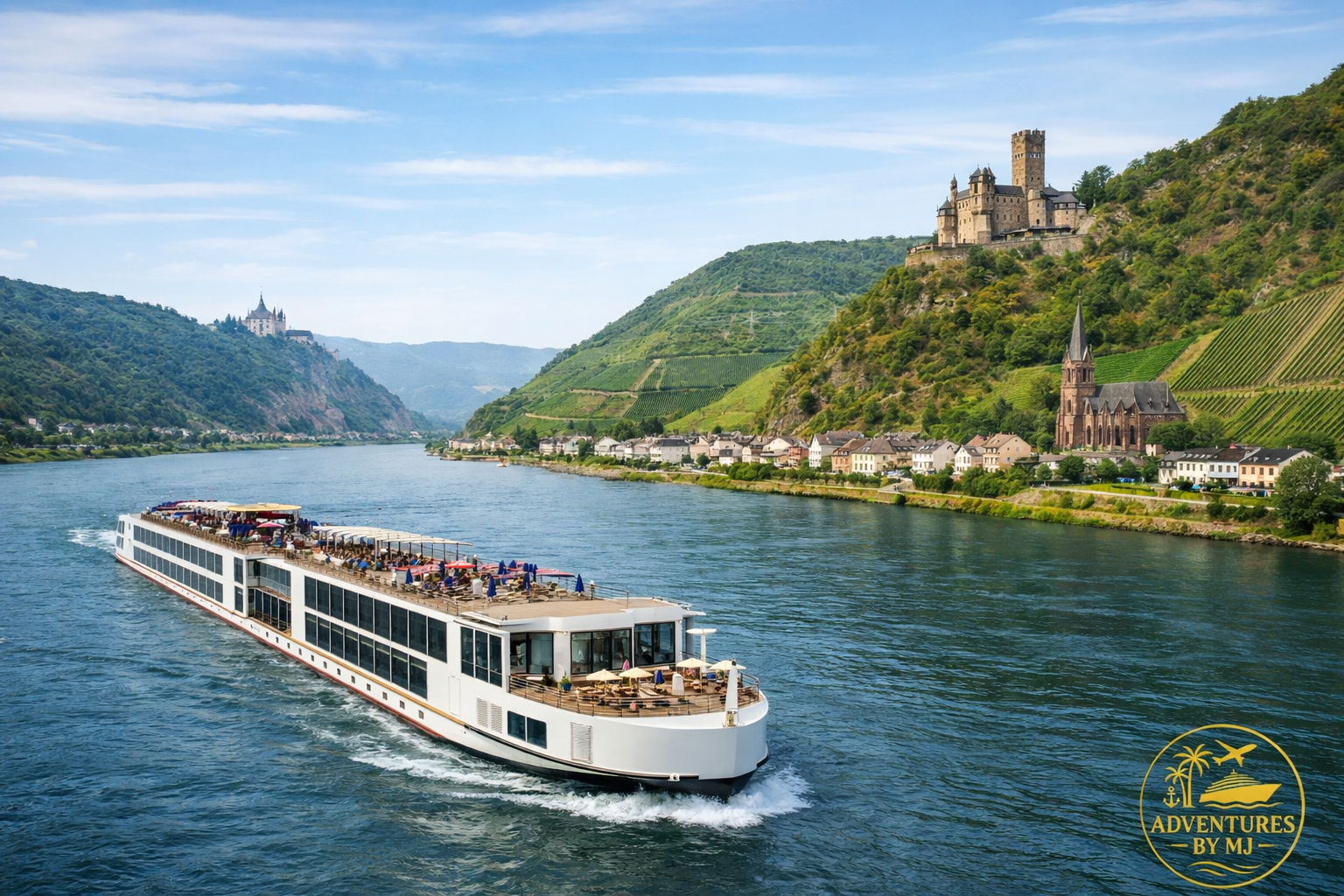
Passengers relaxing on a European river cruise sun deck while sailing past castles and vineyards along the Rhine River.
What You’re Actually Paying For
One reason river cruises appear expensive is because many costs are bundled into the fare.
Instead of pricing each element separately, river cruise lines package the experience together.
Typical inclusions often include:
Accommodations onboard
Daily guided excursions
Most meals
Wine or beer with meals
Cultural programming
Transfers in some cases
Wi-Fi
Onboard lectures and entertainment
If you’re curious about the full breakdown, this guide explains what is included on a river cruise and why the bundled structure often changes the overall value calculation.
When you compare the price of arranging hotels, transportation, excursions, and meals across multiple European cities, the numbers start to look surprisingly similar.
One small thing many travelers forget to pack for Europe is a European travel power adapter so phones, cameras, and laptops can charge properly onboard and in port.
European River Cruise vs Traditional Travel Costs
Let’s look at a simplified comparison.
Expense
Independent Travel
River Cruise
Hotels in multiple cities
$250–$500 per night
Included
Transportation between cities
$100–$300 per leg
Included
Daily tours & guides
$75–$200 per day
Often included
Meals & wine
$50–$150 per day
Mostly included
Luggage transfers
Often extra
Included
Planning logistics
DIY
Handled for you
When these pieces are added together, river cruise pricing begins to make more sense.
You’re not just paying for transportation.
You’re paying for an integrated experience.
Click the image below for your free guide to Which River Cruise is Right for you? AmaWaterways vs Viking vs Avalon.
How River Cruises Compare to Other Cruise Types
Travelers often compare river cruises with other vacation styles before deciding.
If you’re still exploring your options, these guides can help:
One of the biggest frustrations of European travel is constant packing.
Hotels. Trains. Transfers. Suitcases.
River cruises eliminate this entirely.
You unpack once, settle into your cabin, and the scenery changes outside your window.
For travelers who prefer ease and simplicity, this alone can make the trip worthwhile.
Many experienced travelers also use compression packing cubes to keep smaller river cruise cabins organized and make unpacking even easier.
2. Ships Dock in the Heart of Cities
Ocean cruises often dock far from major cities.
River cruises dock directly in them.
That means you can step off the ship and immediately explore places like:
Vienna
Budapest
Cologne
Strasbourg
Amsterdam
No long bus transfers.
No complex navigation.
Just walk off the ship and begin exploring.
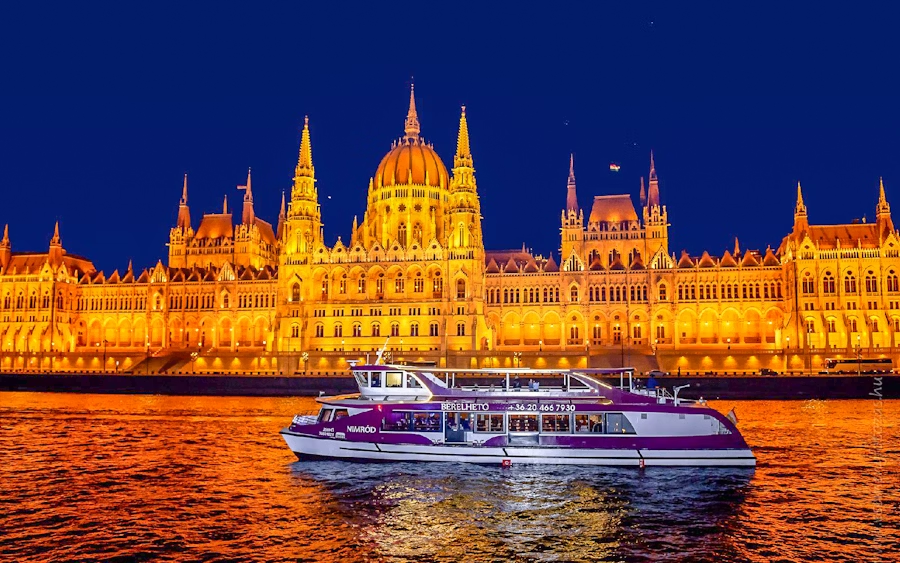
European river cruise ship docked in Budapest along the Danube River, steps from the historic city center.
3. Small Ships Create a More Relaxed Experience
River cruise ships are small.
Most carry 100–190 guests. A Viking Longship, for example, carries 190.
That means:
No long embarkation lines
No crowded buffets
No massive theaters
No thousands of passengers
Instead, the atmosphere feels more like a boutique hotel than a floating resort.
For travelers who dislike crowds, this can be a major advantage.
Elegant European river cruise lounge with panoramic windows overlooking castles and scenic river valleys.
4. Guided Excursions Are Usually Included
Many travelers underestimate how expensive guided tours can be in Europe.
A typical walking tour or guided excursion might cost:
$75 to $150 per person
Per day
Multiply that across a week and the total adds up quickly.
River cruises often include:
City walking tours
Cultural visits
bike tours
wine tastings
historical site visits
These experiences are often curated and well organized.
Many travelers also bring a lightweight anti-theft crossbody travel bag for excursions so passports, phones, and cash stay secure while exploring historic cities.
Small-group guided walking tour exploring a medieval European town during a river cruise excursion.
Comfortable footwear is essential for river cruise excursions, and many travelers recommend lightweight walking shoes for European travel for cobblestone streets and long sightseeing days.
5. Scenery Becomes Part of the Experience
Unlike ocean cruising where long stretches of sea separate destinations, river cruising offers continuous scenery.
You might glide past:
Castle-lined river valleys
Terraced vineyards
medieval villages
rolling countryside
One of the most famous examples is the Rhine Gorge, a UNESCO World Heritage site where castles appear around nearly every bend in the river.
This immersive scenery is one of the reasons many travelers consider river cruising so special.
Who a European River Cruise Is Perfect For
A European river cruise is best suited for travelers who prefer a relaxed pace and destination-focused travel. These cruises work especially well for couples, retirees, and travelers who enjoy guided cultural experiences. If you appreciate historic cities, scenic countryside, and small-ship travel without crowds, river cruising can deliver exceptional value.
Who Should Probably Skip a River Cruise
River cruises are not the perfect fit for every traveler. You may enjoy other types of travel more if you:
Prefer nightlife and entertainment
Want large ships with many activities
Are traveling with young children
Prefer flexible, spontaneous itineraries
Are traveling on a tight budget
Ocean cruises or land-based trips often offer better options for travelers seeking high energy experiences.
When a European River Cruise May Not Be Worth It
While many travelers love river cruises, they are not ideal for everyone. Travelers who prefer nightlife, large ships, or high-energy entertainment may enjoy ocean cruises more. Families traveling with younger children may also find more activities on larger ships. Budget travelers sometimes prefer land-based travel or rail itineraries that allow more flexibility.
Knowing your travel style helps determine whether a river cruise truly delivers value.
The Downsides of River Cruises (Let’s Be Honest)
River cruises are wonderful, but they are not perfect for everyone.
Here are the real drawbacks.
1. Higher Upfront Price
River cruises often cost between:
$3,000 and $7,000 per person
Depending on:
cruise line
itinerary
season
cabin type
While many inclusions offset the price, it can still feel like a big commitment.
Budget travelers may prefer land tours or ocean cruises.
They are designed for relaxation rather than entertainment.
Many travelers wonder whether a river cruise costs more than planning a trip independently. In reality, when accommodations, tours, and transportation are added together, the price difference is often smaller than expected.
Feature
River Cruise
DIY Europe Trip
Hotels
Included
Book separately
Transportation
Included
Trains or flights
Guided tours
Often included
Additional cost
Luggage handling
Included
DIY
Planning time
Minimal
Significant
Travel pace
Relaxed
Often rushed
Who Gets the Most Value From a River Cruise?
River cruises tend to be worth the money for travelers who:
✔ Love history and culture ✔ Enjoy guided experiences ✔ Prefer smaller ships ✔ Want a relaxed pace ✔ Value convenience
They are especially popular with travelers who want to explore Europe without constantly managing logistics.
A small lightweight travel daypack is also helpful for excursions so you can carry water, a camera, and souvenirs while exploring.
Timing can make a big difference in both price and availability, which is why understanding when to book a European river cruise is just as important as deciding whether it’s worth it.
The Hidden Value Many Travelers Miss
Here’s something interesting.
Many travelers who take their first river cruise say the same thing afterward:
“I didn’t realize how relaxing travel could be.”
River cruising removes many of the stressful elements of European travel:
train schedules
hotel check-ins
navigation challenges
luggage transfers
planning daily tours
Instead, everything is coordinated.
You simply show up and enjoy the experience.
That convenience carries real value.
Before You Book, Don’t Skip This
At this point, you probably have a good sense of why river cruises feel different—and why many travelers find them worth the cost.
But before you book, there are a few things most travelers don’t realize until it’s too late—and they can quietly impact your experience (and your budget).
I put together a simple checklist to help you avoid the most common river cruise mistakes.
Many travelers also bring a portable phone charger so their phone stays powered for photos, navigation, and translation apps during long sightseeing days.
Is a European River Cruise Worth It for First-Time Travelers?
Surprisingly, river cruises can be ideal for first-time visitors to Europe.
Why?
Because they simplify everything.
Instead of figuring out trains, hotels, and tours across multiple countries, you experience several destinations with a structured itinerary.
For many travelers, river cruising acts as an introduction to Europe.
Since most river cruises start with a long international flight, many travelers pack a memory foam travel neck pillow to make overnight flights more comfortable.
When Is the Best Time to Take a European River Cruise?
Timing can influence the overall experience.
The most popular months are:
May
June
September
These months offer:
comfortable weather
fewer crowds
beautiful scenery
Spring cruises may include tulip season, while winter cruises feature famous European Christmas markets.
Late summer is the one to watch. The Rhine hit record lows in August 2026, and several lines rerouted or swapped ships into the fall, so ask how your line handles low water before you book a July through September sailing.
If you want a detailed breakdown of weather, crowds, and seasonal highlights, this guide to the best time to take a European river cruiseexplains the pros and cons of each month.
The Emotional Value of River Cruising
Travel value isn’t always measured in dollars.
River cruises create moments that feel difficult to replicate elsewhere.
Imagine:
sipping wine as castles pass your window
walking quiet cobblestone streets early in the morning
listening to church bells echo across a medieval town
These experiences often stay with travelers long after the trip ends.
And that’s part of why so many people return.
Rhine Gorge scenery seen from a European river cruise sun deck.
So… Is a European River Cruise Worth the Money?
For many travelers, yes.
But not for everyone.
A European river cruise is worth it if you want:
✔ A relaxed travel experience ✔ Cultural immersion ✔ Small ships ✔ Seamless logistics ✔ Destination-focused itineraries
It may not be worth it if you prioritize:
✔ low prices ✔ big ships ✔ entertainment ✔ nightlife
Ultimately, the value depends on how you like to travel.
If you’re leaning toward booking, this quick checklist will help you double-check the details most travelers miss before they commit.
Quick Voice Search Answers: Is a European River Cruise Worth It
Is a European river cruise worth it compared to a land tour?
A European river cruise can be worth it compared to a land tour because accommodations, transportation, guided excursions, and many meals are bundled together. Travelers also avoid the hassle of changing hotels frequently, which makes the experience far more relaxing.
Are European river cruises overpriced?
European river cruises can appear expensive upfront, but they include many elements that travelers would otherwise book separately. When hotels, tours, transportation, and meals are added together, the total cost of independent travel is often closer than many people expect.
Why do people love river cruises in Europe?
Many travelers love European river cruises because they combine cultural exploration with comfort and simplicity. Ships dock directly in historic city centers, excursions are organized, and the scenery becomes part of the journey.
What are the pros and cons of a European river cruise?
The pros are unpacking once, docking in city centers, small ships and included tours. The cons are a higher upfront price, smaller cabins, quiet evenings and the occasional low-water reroute.
How much does a 7-night European river cruise cost?
Usually about $3,000 to $5,500 per person, with luxury lines higher. That typically covers your cabin, most meals, wine or beer at dinner and a guided tour in most ports.
Is it safe to take a river cruise in Europe?
Yes. River ships sail calm inland water close to shore, and the main disruptions are high or low water, which lines handle with ship swaps or buses. Check the State Department advisory for each country on your route before you go.
FAQs: Is a European River Cruise Worth It?
Is a European river cruise worth it for the price?
Yes, for travelers who value convenience, guided experiences, and cultural immersion. While river cruises cost more upfront, they often include excursions, meals, and transportation that would add up quickly when traveling independently.
Are European river cruises more expensive than ocean cruises?
Generally, yes. River cruises typically cost more per day than ocean cruises, but they include more excursions and destination access.
What is included in a European river cruise?
Most river cruises include accommodations, meals, daily excursions, wine with dinner, and onboard cultural programs. Specific inclusions vary by cruise line.
Are river cruises good for first-time travelers?
Yes. River cruises simplify logistics and provide guided exploration, making them an excellent option for travelers visiting Europe for the first time.
What is the average cost of a European river cruise?
A typical 7–10 night European river cruise ranges from $3,000 to $7,000 per person, depending on cruise line, cabin type, and season.
Typical Cost of a European River Cruise
Cruise Length
Typical Price Range
7 nights
$3,000 – $5,500
10 nights
$4,000 – $6,500
14 nights
$6,000 – $9,000
Prices vary based on:
Cruise line
cabin type
itinerary
travel season
Luxury lines may exceed these ranges, while occasional promotions can reduce costs.
Because river cruises can represent a significant investment, it’s also important to understand travel insurance mistakes to avoidbefore booking.
Average Cost Per Day of a European River Cruise
Travel Style
Average Cost Per Day
River Cruise
$350–$700
Luxury River Cruise
$600–$1,000
Independent Europe Trip
$250–$600
Ocean Cruise
$150–$400
While river cruises often cost more per day than ocean cruises, they typically include excursions, transportation, and many meals.
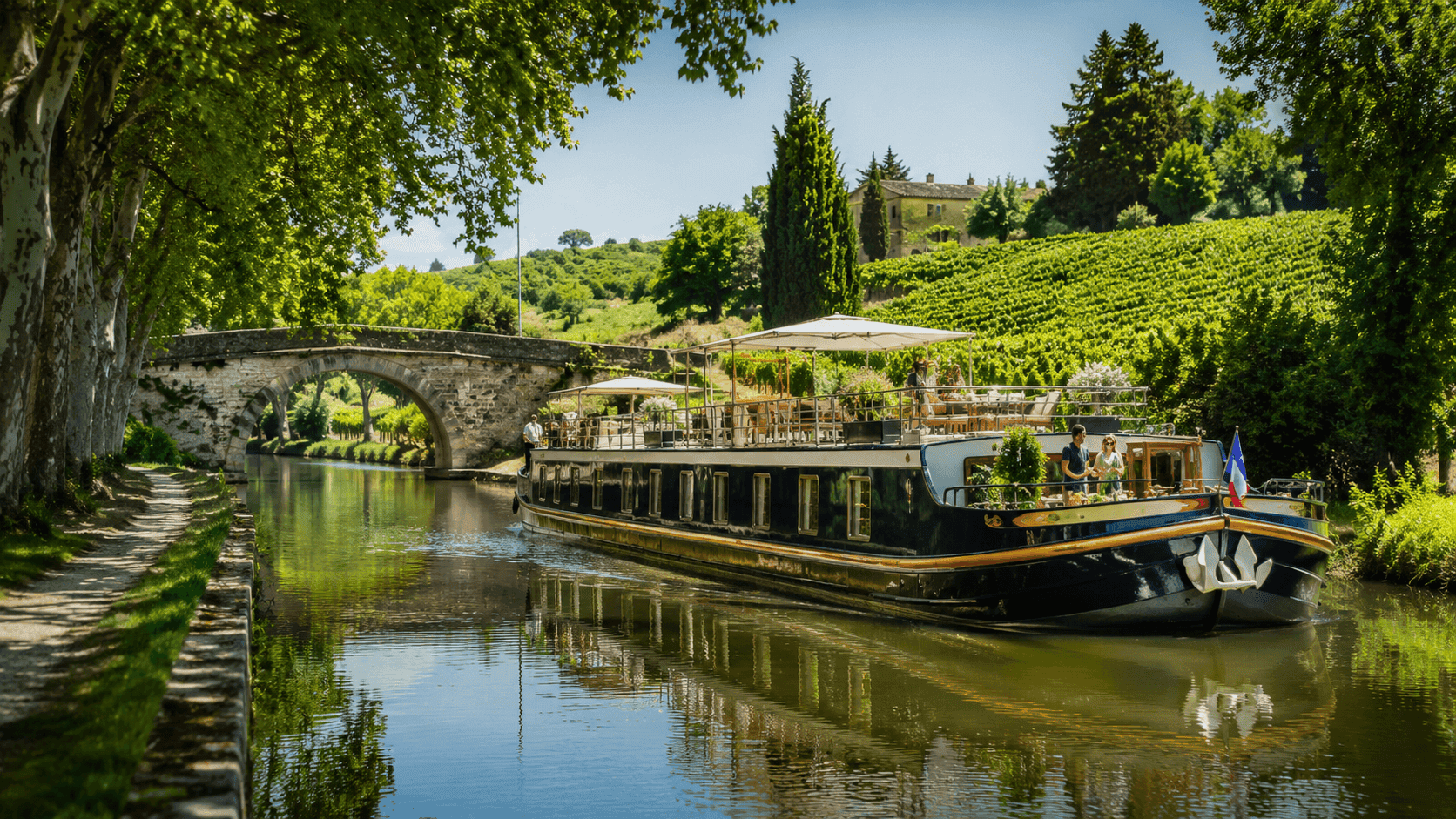
European river cruise sailing through the vineyard-covered hills of Portugal’s Douro Valley.
The Biggest Surprise First-Time River Cruisers Report
One of the biggest surprises for first-time river cruisers is how relaxing the experience feels. Because the ship docks directly in city centers and excursions are often included, travelers spend less time managing logistics and more time enjoying destinations. Many guests also comment on the intimate atmosphere of smaller ships compared to large ocean cruise vessels.
This convenience is often what makes travelers feel the experience was worth the cost.
Quick Decision Guide: Is a River Cruise Right for You?
If you want…
Choose…
Small ships and fewer crowds
River cruise
Nightlife and big entertainment
Ocean cruise
Historic cities and guided tours
River cruise
Budget travel
Land travel
Many destinations quickly
Ocean cruise
Relaxed pace and scenery
River cruise
Helpful Guides for Planning a European River Cruise
If you’re researching whether a river cruise is right for you, these guides can help you compare options and plan your trip:
Quick Summary: Is a European River Cruise Worth It?
A European river cruise is worth it if you:
✔ want to unpack once and explore multiple cities ✔ enjoy guided tours and cultural experiences ✔ prefer smaller ships and fewer crowds ✔ value convenience and simple logistics
It may not be worth it if you:
✔ want nightlife or entertainment ✔ prefer large ships ✔ are traveling on a strict budget ✔ want maximum itinerary flexibility
If the answer for you is yes, the next step is picking a river and a season. That is where Sue starts.
Written by Sue Nelson, Travel Advisor | Adventures by MJ | Updated for 2027
Affiliate Disclosure: This post may contain affiliate links. If you make a purchase through one of these links, we may earn a commission at no additional cost to you. We only recommend products and services we believe may be helpful to travelers.
Hi, I'm Sue. I plan cruises, all-inclusive resorts, and slow multi-country trips through Europe, and I'm a member of the Travel Leaders Network. Twenty years in senior HR leadership before this, which mostly taught me how to read what people actually want. I live in Grain Valley, Missouri with my husband and business partner Mike.