What River Cruises Include That Ocean Cruises Don’t (Full Comparison Guide)
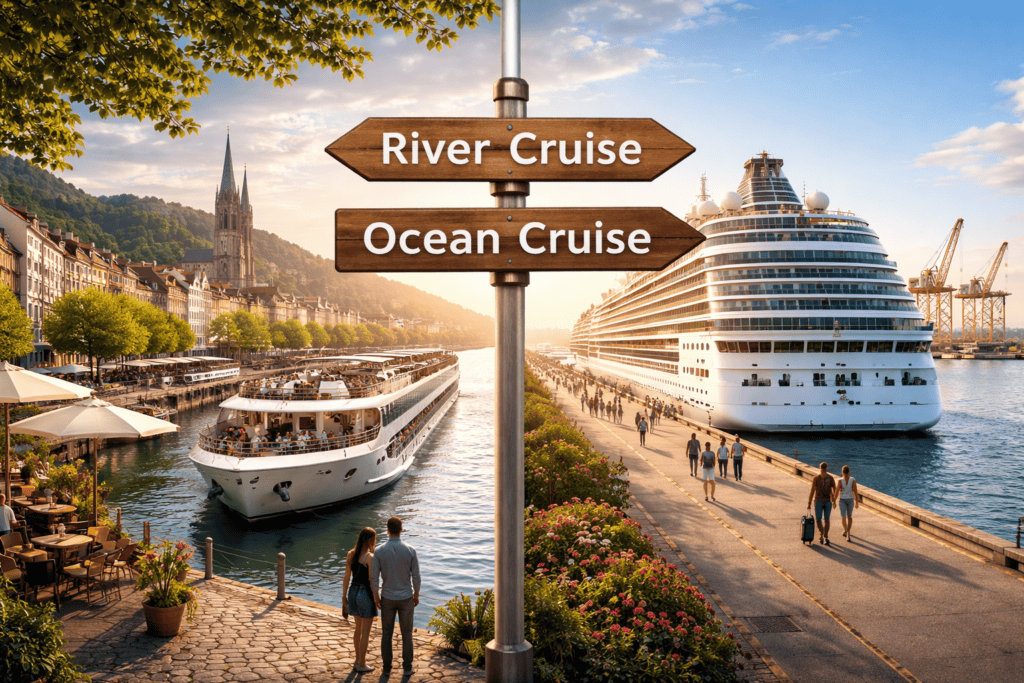
Wondering what river cruises include that ocean cruises don’t? From daily guided excursions and wine at dinner to city-center docking and small-group access, European river cruises bundle in experiences that ocean cruises charge extra for. Here’s the side-by-side breakdown smart travelers compare before booking Europe
(And Why That Difference Matters More Than You Think)
You’ve probably noticed something strange while researching European cruises.
River cruises cost more upfront. Ocean cruises look cheaper at first glance. Both promise “all-inclusive.”
So… what’s the catch?
If you’re wondering what river cruises include that ocean cruises don’t, you’re asking the exact right question. Because the real difference isn’t ship size. It isn’t the water. It isn’t even the itinerary.
It’s what’s quietly bundled into the experience, and what isn’t.
One style builds the destination into the fare. The other builds the ship into the fare and lets you add the rest later.
Neither is wrong. But they serve very different travelers.
And if you’ve ever stepped off a cruise ship only to discover the excursion, the drinks, the transfers, and the “premium” dining all cost extra… you already know why this comparison matters.
In this guide, we’re breaking down exactly what European river cruises include that ocean cruises typically don’t, from daily guided tours and city-center docking to wine at dinner and small-group cultural access.
By the end, you won’t just understand the difference. You’ll know which style actually fits the way you want to experience Europe.
Let’s pull back the curtain.
In short: European river cruises typically include daily guided excursions, beer and wine at meals, city-center docking, cultural programming, and small-group access — while ocean cruises often charge extra for these experiences. The difference isn’t just ship size. It’s what’s built into the fare.
Quick Answer: What River Cruises Include That Ocean Cruises Don’t
Daily guided shore excursions
Beer and wine at lunch and dinner
Docking in historic city centers
Small group tours (15–25 guests)
Cultural lectures and enrichment
Often airport transfers
No sea days — scenery every day
What Is Included on a European River Cruise That Ocean Cruises Don’t?
1. Daily Included Shore Excursions (Not Just One Per Port)
On most European river cruises, at least one guided excursion per port is included in your fare. Often more.
That means:
Guided walking tours
Castle visits
Cultural experiences
Local tastings
Bike tours
Small group specialty tours
Because river cruises include so many walking tours and port days, many travelers carry a lightweight travel daypack for excursions to hold water, layers, and small purchases without feeling overloaded.
Using Quietvox listening devices so you can actually hear
Ocean cruise excursions? You might be in a group of 40–60 people following a flag.
River cruises are designed for immersive, culturally rich exploration, not “herd and return.”
For city walking tours and small-group exploring, many travelers use an anti-theft crossbody travel bag for Europe to keep passports, phones, and essentials secure without carrying a bulky backpack.
3. Docking in the Heart of Cities
This is one of the biggest differences.
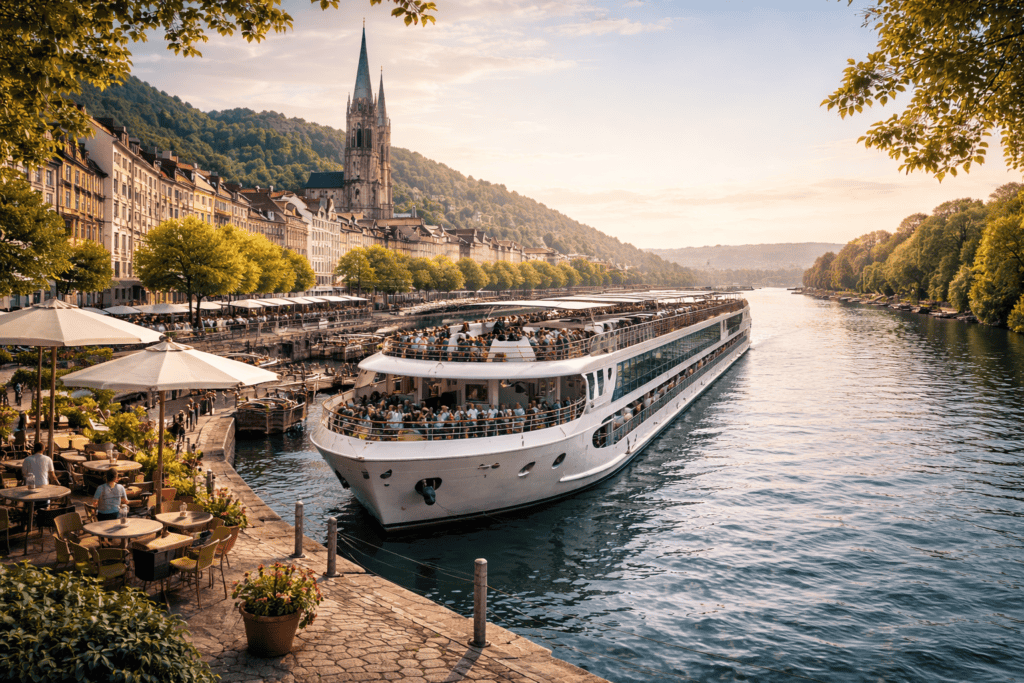
River ships dock:
In the center of towns
Steps from historic districts
Walking distance to cafés, cathedrals, markets
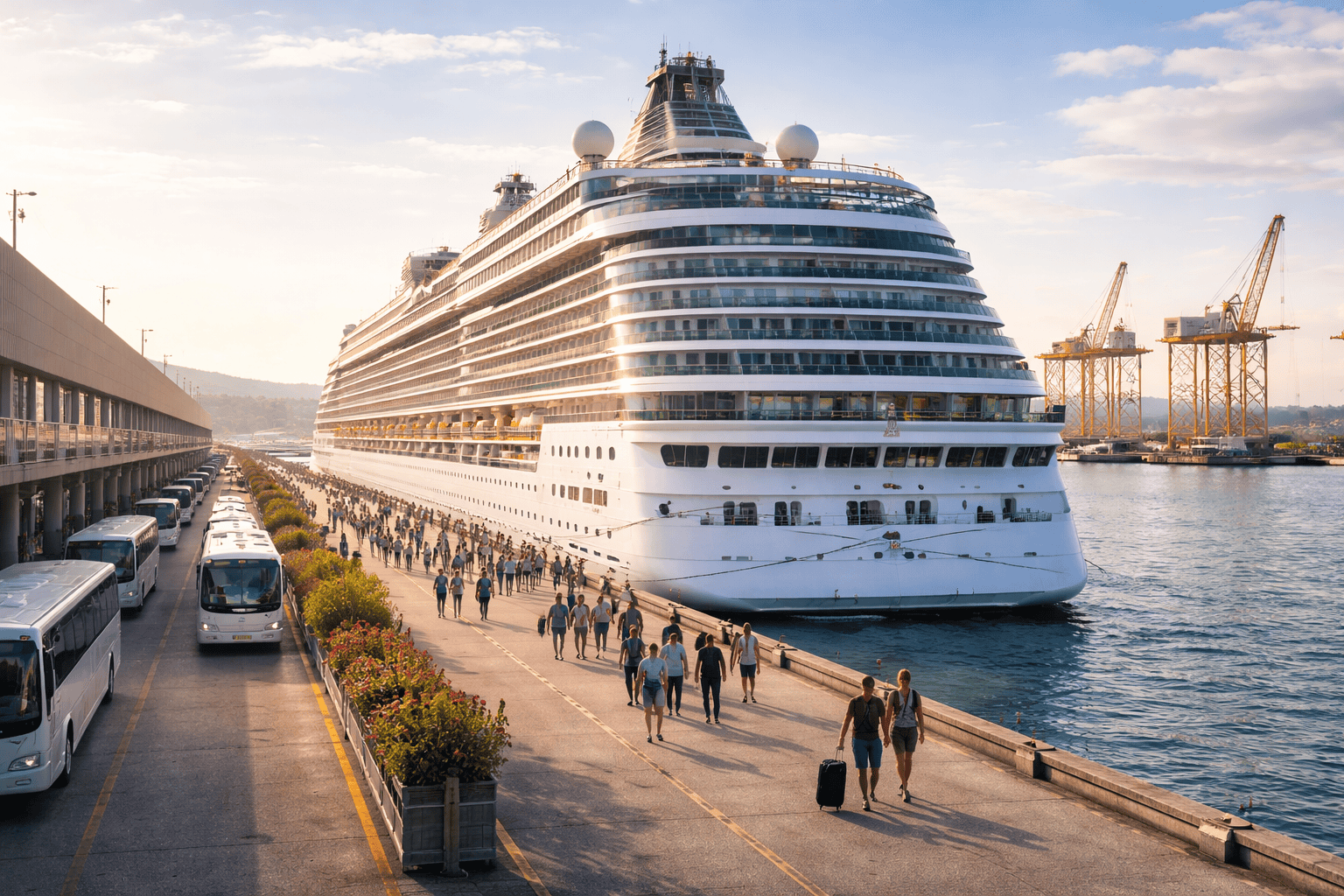
Ocean ships dock:
At cruise terminals
Industrial ports
Often requiring shuttles or taxis
On a Rhine or Danube river cruise, you might walk off the ship and be standing in a medieval square within minutes.
That’s not a small detail. That’s the whole vibe.
Timing also affects what’s included, especially during seasonal sailings, so here’s the best time to take a European river cruise based on weather and crowds.
Picture stepping off your ship in the morning and walking five minutes to a café where the baker already knows your name. That’s river cruising. On an ocean cruise, you’re usually boarding a shuttle bus.
4. Beer and Wine Included at Lunch and Dinner
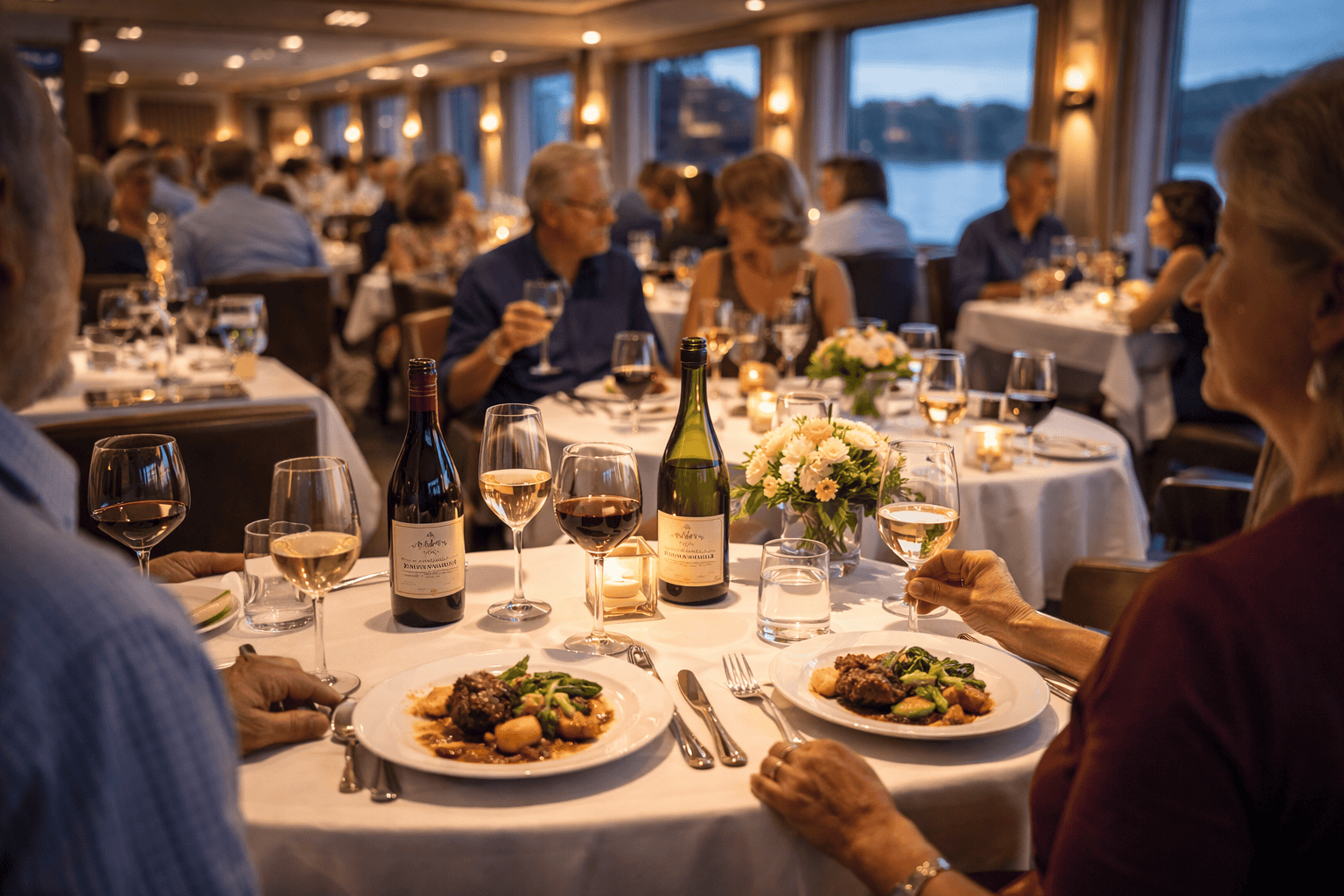
Most European river cruise lines include:
Complimentary regional beer and wine
At lunch and dinner
Sometimes sparkling wine at breakfast
On ocean cruises? Alcohol is almost always part of an add-on beverage package.
Cabin layouts differ significantly between ship styles, so understanding how to choose the right cruise cabin matters more than most travelers realize.
Most European river ships carry fewer than 200 guests, compared to modern ocean ships that often carry 3,000–6,000 passengers.
Airport transfers (if flights are booked through them)
Luggage handling
Pre- or post-cruise extension logistics
Ocean cruises frequently charge extra for transfers.
And because many river cruises include hotel extensions or European city stays, it’s smart to pack a European travel power adapter so your devices stay charged from day one.
9. Specialty Dining Without Upcharges
River cruise ships are smaller, so they don’t have:
12 restaurants
Steakhouse upcharges
Sushi surcharges
Instead, they include:
Regionally inspired menus
Multi-course dinners
Specialty dining nights
Chef’s tables (often included)
Ocean cruises frequently charge extra for premium dining venues.
10. A Slower, More Immersive Pace
This isn’t an inclusion you can put a dollar value on, but it’s significant.
Comparison Chart: River Cruise vs Ocean Cruise Inclusions
Feature
European River Cruise
Ocean Cruise
Daily Shore Excursions
Included
Extra Cost
Beer & Wine at Meals
Included
Beverage Package Required
Docking Location
City Center
Cruise Terminals
Group Size on Tours
15–25
40–60+
Guest Capacity
100–190
2,000–6,000+
Specialty Dining
Often Included
Usually Extra
Destination Lectures
Included
Limited
Airport Transfers
Often Included
Extra
Sea Days
None
Common
Immersion Level
High
Moderate
Before you decide, ask yourself this: Do you want your cruise to feel like a floating boutique hotel… or a floating resort?
Real Cost Example: 7-Night Cruise Comparison
River Cruise:
Cruise fare: $4,500
Excursions: Included
Wine at meals: Included
Transfers: Often included
Ocean Cruise:
Cruise fare: $2,200
Excursions: $900
Beverage package: $700
Specialty dining: $300
Transfers: $150
Estimated total: $4,250+
Are River Cruises More Expensive?
Upfront? Yes.
But when you compare what’s included: excursions, drinks, transfers, cultural programming, the price gap narrows quickly.
You’re paying for:
Access
Convenience
Smaller groups
Built-in experiences
Not waterslides.
Understanding inclusions upfront is crucial, especially when you see teaser fares that don’t reflect total cost, which is exactly why booking a cruise online can cost you more than expected.
Many travelers assume river cruises are overpriced, but when you compare river cruise inclusions side by side with ocean cruise add-ons, the value equation shifts dramatically.
Who Should Choose a River Cruise?
River cruises are ideal if you:
Want to see multiple European cities without packing and unpacking
Prefer cultural immersion over entertainment
Don’t love crowds
Value-guided experiences
Appreciate wine with dinner without calculating cost per glass
Ocean cruises are ideal if you:
Want a resort-at-sea atmosphere
Love onboard entertainment
Prefer warm-weather beach destinations
Want more nightlife options
Are traveling with kids
If you’re new to cruising and unsure which style fits your personality, this guide to the best cruise for first-time cruisers can help clarify your decision.
Why This Matters for European Travel Planning
When travelers ask:
“Is a European river cruise worth it?” “What’s the difference between river and ocean cruising?” “Why are river cruises more expensive?”
The answer is inclusion.
River cruises build the experience into the fare.
Not Sure Which River Cruise Line Actually Fits You?
Now that you know what’s included, the next question becomes:
👉 Which cruise line gives you the experience you actually want?
I put together a simple, side-by-side comparison of AmaWaterways vs Viking vs Avalon so you can quickly see the differences without going down a research rabbit hole.
Ocean cruises separate the fare from the experience and let you customize, for a price.
Neither is wrong. But they serve different travelers.
The right cruise choice can determine whether your European trip feels effortless and immersive, or busy and budget-driven.
Are River Cruises Really All-Inclusive?
Short answer: They’re far more inclusive than ocean cruises — but not completely all-inclusive in the Caribbean resort sense.
Most European river cruises include at least one guided shore excursion in every port, beer and wine at lunch and dinner, onboard cultural programming, Wi-Fi, port fees, and often airport transfers (if flights are booked through the cruise line). Many also include specialty dining experiences, small-group tour options, and enrichment activities like cooking demonstrations or local performances.
That’s a substantial list — especially when you compare it to ocean cruises, where excursions, beverage packages, specialty restaurants, and transfers are typically extra.
However, river cruises are not fully “everything included.” You’ll usually still pay extra for:
Premium spirits or cocktails outside meal times
Spa treatments
Optional upgraded excursions
Pre- and post-cruise hotel extensions (unless part of a package)
Airfare (unless bundled)
So when people ask, “Are river cruises really all-inclusive?” the better answer is this:
River cruises bundle the core cultural experience into the fare. Ocean cruises separate the cruise from the experience and let you add it back in.
The difference isn’t unlimited cocktails by the pool. It’s whether your daily exploration — the part you came to Europe for — is already built in.
If your goal is immersive travel with fewer surprise add-ons, river cruises feel far closer to all-inclusive than most ocean cruises ever will.
Is a River Cruise Worth the Extra Cost?
For the right traveler? Yes, and often more than people expect.
At first glance, river cruises look significantly more expensive than ocean cruises. But that upfront price includes daily guided excursions, wine and beer at meals, cultural programming, smaller group experiences, and city-center docking — things that ocean cruises typically charge extra for.
When you add up those extras on an ocean cruise, excursions, beverage packages, specialty dining, transfers, the price gap often narrows quickly. What initially looks like a $2,000 difference can shrink substantially once everything is factored in.
But the real value isn’t just financial. It’s experiential.
River cruises are worth the extra cost if you:
Prefer immersive cultural travel over ship-based entertainment
Want to dock in the heart of European cities instead of industrial ports
Appreciate small-group tours with local guides
Don’t want to constantly evaluate optional add-ons
Value a calmer, more intimate onboard atmosphere
You’re paying for access, convenience, and depth — not water slides and mega-shows.
That said, a river cruise isn’t automatically “better.” If you’re traveling with kids, want nonstop nightlife, or prioritize onboard amenities over destination immersion, an ocean cruise may deliver more value for your style.
So is a river cruise worth the extra cost?
If your goal is to experience Europe thoughtfully, with built-in exploration and fewer logistical headaches, many travelers find the answer is yes. The higher price often reflects a more inclusive, culturally focused experience, not just a smaller ship.
If you’re leaning toward a river cruise but trying to figure out which line actually delivers the experience you want, this quick comparison of AmaWaterways vs Viking vs Avalon makes it much easier to decide.
Most European river cruises include at least one guided excursion per port, beer and wine at lunch and dinner, onboard cultural enrichment, Wi-Fi, port fees, and often airport transfers. Unlike ocean cruises, these experiences are bundled into the fare rather than sold as add-ons. Some premium lines also include specialty dining and small-group tour options. Always confirm inclusions by cruise line, but in general, river cruises are far more inclusive than ocean cruises.
Are river cruise excursions really free?
They’re included in the cruise fare. You are not charged separately for standard daily tours.
Why are river cruises more expensive than ocean cruises?
River cruises include more built-in experiences such as excursions, drinks, and small-group access, which increases the upfront cost but reduces add-on expenses.
Do river cruises have entertainment like ocean cruises?
River cruises focus more on destination lectures and local performers rather than large-scale production shows or casinos.
Is a river cruise better for first-time European travelers?
For many travelers, yes. River cruises simplify logistics, provide guided tours, and dock in city centers, making them ideal for first-time visitors to Europe.
Bottom Line: River Cruise vs Ocean Cruise
Choose a river cruise if you want immersive cultural experiences, included excursions, city-center access, and fewer crowds. Choose an ocean cruise if you prefer large-ship entertainment, nightlife, and resort-style amenities.
Still deciding between cruise lines?
This simple breakdown of AmaWaterways vs Viking vs Avalon will save you hours of research and help you choose confidently.
Affiliate Disclosure: This post may contain affiliate links. If you make a purchase through one of these links, we may earn a commission at no additional cost to you. We only recommend products and services we believe may be helpful to travelers.
Hi, I'm Sue. I plan cruises, all-inclusive resorts, and slow multi-country trips through Europe, and I'm a member of the Travel Leaders Network. Twenty years in senior HR leadership before this, which mostly taught me how to read what people actually want. I live in Grain Valley, Missouri with my husband and business partner Mike.