Best European River Cruise for Wine Lovers: Bordeaux vs Douro vs Rhône
If you have done the Rhine and the Danube and you are ready for something with a little more Cabernet Sauvignon involved, this is the guide. A travel advisor compares the three best European river cruises for wine lovers: Bordeaux, the Douro, and the Rhône.
Last updated: May 30, 2026 :: Reviewed by Sue Nelson, Travel Advisor
Quick Answer: The best European river cruise for wine lovers comes down to three rivers. All three are worthy wine pilgrimages. The best European river cruise for wine lovers is the Bordeaux river cruise for prestige and château access, the Douro river cruise for dramatic scenery and Port wine, or the Rhône river cruise for the widest variety of wine styles in a single itinerary. Bordeaux delivers classic French reds and Sauternes in the shadow of Grand Cru châteaux. The Douro is Portugal’s UNESCO-listed wine valley, where Port and dry reds flow as freely as the river itself. The Rhône runs through France’s second-largest wine appellation and covers radically different styles from Syrah-forward Hermitage all the way down to Châteauneuf-du-Pape. Choosing between them is mostly a matter of knowing your palate and your priorities.
Key Takeaways: Best Wine River Cruises in Europe
Bordeaux is the most iconic wine cruise itinerary in Europe, sailing past Grand Cru châteaux in Saint-Émilion, the Médoc, and Sauternes
The Douro Valley in Portugal is the world’s oldest demarcated wine region (established 1756) and a UNESCO World Heritage Site
The Rhône Valley is France’s second largest wine appellation with over 30 AOC designations, covering everything from Northern Rhône Syrah to Châteauneuf-du-Pape
Harvest season (September and October) is the best time for all three rivers if wine-focused programming matters to you
AmaWaterways, Viking, and Uniworld all offer dedicated wine cruise itineraries on each of these rivers
Budget approximately $3,000 to $5,000 or more per person for a seven- to eight-day sailing
The Douro has the most dramatic river scenery of the three; Bordeaux has the most prestigious wine names; the Rhône delivers the greatest variety of styles
Sources: UNESCO World Heritage Centre, Bordeaux.com, Wine Enthusiast, Cruise Critic.
Adventures by MJ · Travel Advisor Guide
Best European River Cruises for Wine Lovers
Bordeaux vs Douro vs Rhône – which one belongs in your glass?
🍷
Bordeaux
France · Garonne & Gironde
🍇
Key Grapes
Cabernet Sauvignon, Merlot, Sémillon
🏛
Top Appellations
Médoc · Saint-Émilion · Pauillac · Sauternes
📊
Scale
~60 AOC appellations · 431M bottles/year
🏅
UNESCO
Saint-Émilion historic town (1999)
📅
Best Season
Sept-Oct harvest · Apr-June for lighter crowds
🚢
Top Lines
AmaWaterways · Uniworld · Viking
Best For
Classic prestige, Grand Cru château names, and the most iconic wine addresses in the world.
Top Appellations
Hermitage · Côte-Rôtie · Châteauneuf-du-Pape · Gigondas
📊
Scale
71,000+ ha · 30+ AOCs · France's 2nd largest appellation
🏛
History
Châteauneuf-du-Pape named for the Pope's relocation to Avignon in 1309
📅
Best Season
Sept-Oct harvest · Apr-June spring festival season in Lyon
🚢
Top Lines
AmaWaterways · Uniworld · Amadeus River Cruises
Best For
Maximum wine variety, Lyon's legendary food scene, and tasting your way from Syrah country down to Provençal Grenache.
Pro Tip from Sue
All three rivers are best booked 9-12 months in advance for harvest-season sailings. Harvest-season cabins sell out faster than any other departure window.
Let's Plan Your Cruise
You have done the Rhine,” add one sentence: This guide is written for wine-focused travelers comparing Bordeaux, Douro, and Rhône river cruises and deciding which route best matches their palate and travel style.
You have done the Rhine. You have done the Danube. Maybe you even did the Douro as part of a Rhine-Danube-Douro itinerary, and you came home with two bottles of port and a very strong opinion about terraced vineyards.
Now you are asking a different question. Not “should I try a river cruise?” That ship has sailed (pun very much intended). The question is: which wine river cruise is actually worth the transatlantic flight, the eight days of PTO, and the very real possibility that you come home unable to enjoy a grocery store Cabernet without a small, private sense of loss?
A wine river cruise in Europe is a specific type of commitment. The primary keyword in your itinerary search is not “the Danube” or “the Rhine.” It is the wine. The river is the delivery mechanism. Understanding the difference between these three routes means understanding what ends up in your glass, what shows up outside your window, and which of them matches the wine lover you actually are.
Here is the honest comparison.
According to the Cruise Lines International Association, river cruising was one of the fastest-growing segments of the cruise industry heading into 2026, with wine-focused itineraries leading demand among high-spend travelers.
Thinking about a river cruise? Grab my free River Cruise Guide — the lines actually worth booking, how to pick your river and season, and the questions to ask before you put down a deposit. [Download the free guide →]
Which European river cruise is best for wine lovers? The Bordeaux, Douro, and Rhône rivers are the top three wine-focused river cruise routes in Europe. Bordeaux is best for classic French reds and château access, the Douro is best for Port wine and dramatic scenery, and the Rhône delivers the widest variety of wine styles on a single itinerary.
What is the best time of year for a wine river cruise in Europe? September and October are the best months for a wine river cruise in Europe because harvest season is actively underway. Most cruise lines add special harvest-themed excursions and winemaker events during this window, and the fall foliage on the riverbanks is genuinely worth the calendar planning.
Is the Douro River cruise worth it? Yes, without hesitation. The Douro Valley is a UNESCO World Heritage Site and the world’s oldest officially demarcated wine region, established in 1756. The combination of dramatic terraced vineyard scenery, Port wine quinta visits, and a relatively uncrowded river makes it one of the most distinctive cruising experiences in Europe.
How much does a wine river cruise in Europe cost? Most seven- to eight-day wine river cruises in Europe run between $3,000 and $5,000 or more per person, depending on the line, ship, cabin category, and sailing date. Harvest season sailings typically run at a premium because demand is higher.
What wine regions does a Rhône river cruise cover? A Rhône river cruise typically covers the northern Rhône appellations including Hermitage and Côte-Rôtie, the southern Rhône including Châteauneuf-du-Pape and Gigondas, and often Beaujolais and portions of Burgundy depending on the itinerary. It is the widest range of wine styles available on any single European river cruise route.
Which is better for a wine cruise: Bordeaux or the Douro? Bordeaux is better if wine prestige and famous château names matter most to you. The Douro is better if you want UNESCO-listed scenery, Port wine at its source, and a more intimate, personal experience at family-owned quintas.
What You Are Actually Buying on a Wine River Cruise
Before getting into the geography, it is worth being clear about what separates a genuine wine river cruise from a regular river cruise where they happen to pour something red with dinner.
A real wine-focused itinerary is built around vineyard access, not just port sightseeing. It includes on-board wine programming: dedicated tastings, regional pairings, lectures from actual sommeliers, and in the best cases, on-shore events with winemakers who are not normally open to the public. According to Cruise Critic’s guide to wine river cruises, the standard for a genuine wine program includes educational tastings, harvest-season experiences, and on-board dinners where each course is paired with a matching vintage from the region you are sailing through.
That is the bar. The three rivers below all clear it. What differs is the wine culture, the landscape, and the overall emotional register of the trip.
Bordeaux River Cruise: Where Wine Is Literally the Point
If wine had a capital city, Bordeaux would be it, and it would absolutely know that.
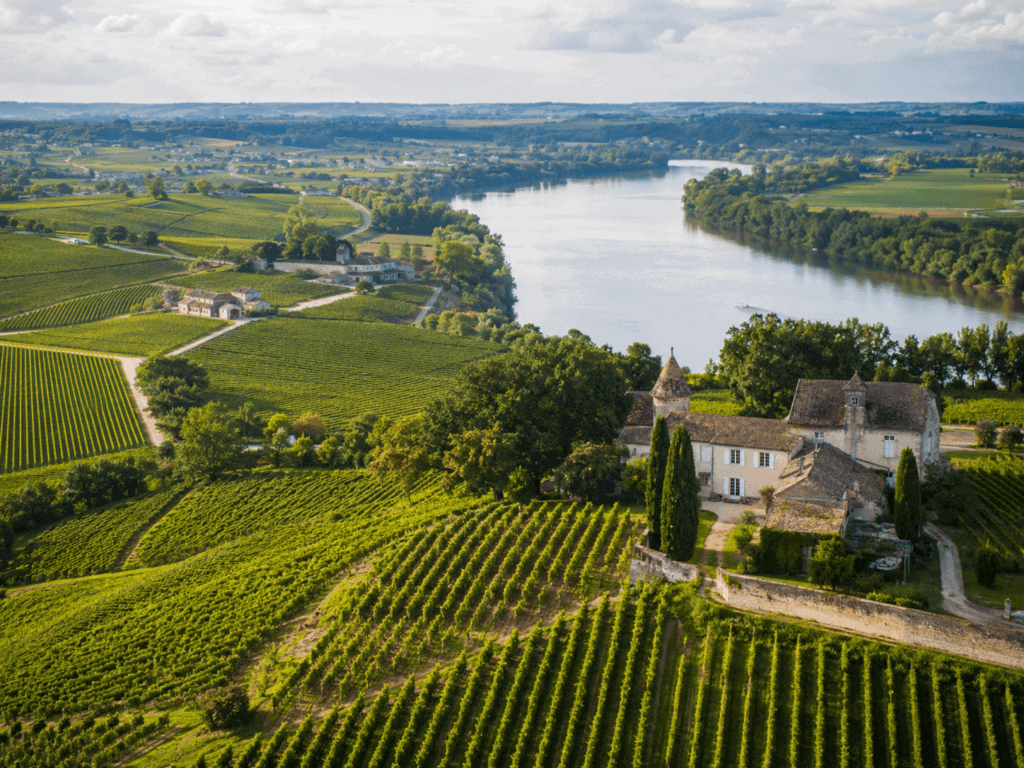
The Bordeaux wine region produces approximately 431 million bottles per year across roughly 60 appellations, according to Bordeaux.com. A Bordeaux river cruise does not just pass through wine country. It floats through the middle of the most commercially powerful, critically scrutinized, and historically significant wine region on earth. There are châteaux at every bend in the river. Some of them have websites. Some of them have waiting lists.
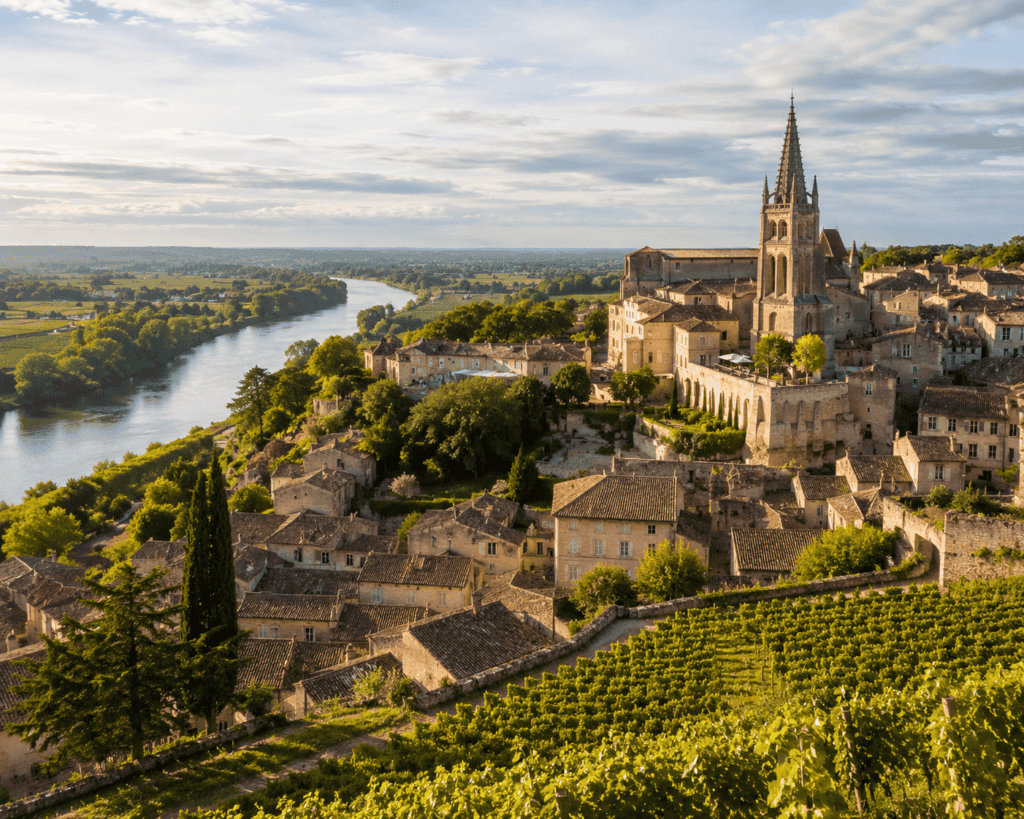
Saint-Émilion earned its UNESCO World Heritage designation in 1999, both for the wine and the medieval town itself, which is worth two hours on foot even without a tasting scheduled.
The Wines You’ll Actually Taste
Bordeaux river cruise programming focuses on three areas, and understanding them going in makes the experience dramatically richer.
The Médoc on the Left Bank is home to the most famous château names in the world: Pauillac (home of Latour, Mouton Rothschild, Lafite), Saint-Estèphe, Saint-Julien, Margaux. Cabernet Sauvignon dominant. Tannic. Structured. Built to age in a way that rewards patience and punishes impatience equally. The Médoc is where serious wine collectors have strong feelings, and where even casual wine drinkers recognize the labels.
Saint-Émilion on the Right Bank is where Merlot leads, which makes the wines immediately softer and more approachable. Saint-Émilion was granted UNESCO World Heritage status in 1999, not just for the wine but for the medieval town itself, which is worth two hours on foot regardless of how many tastings you have scheduled. The appellation covers 5,400 hectares and its Grand Cru classification includes 68 châteaux.
And then there is Sauternes, which is entirely its own category. Botrytized Sémillon and Sauvignon Blanc grapes, golden and luminous, sweet with the kind of complexity that makes you reconsider your assumptions about dessert wine entirely. Château d’Yquem holds the only Premier Cru Supérieur classification in the appellation. If your cruise includes a stop there, that is not a minor footnote in the itinerary PDF. That is the main event.
The Ports You’ll Actually Visit
Sailings run round-trip from the city of Bordeaux, covering the Garonne, Gironde, and Dordogne rivers. Typical ports include Pauillac, Saint-Émilion, Blaye, Cadillac, Libourne, and Bourg. The city of Bordeaux has been through a significant transformation over the past two decades and is now a genuinely compelling destination for a pre- or post-cruise stay.
Which Lines Do Bordeaux Best
AmaWaterways’ Taste of Bordeaux wine cruise is purpose-designed for active wine immersion: biking through the Médoc, small-group AOC estate tastings, and a wine festival gathering in Bourg where guests meet growers and sample varietals with live music. Uniworld’s Brilliant Bordeaux sails on the S.S. Bon Voyage with only 124 guests and a passenger-to-staff ratio that means the crew actually knows your wine preferences by day two. Viking’s Châteaux, Rivers & Winecarries 190 passengers and is the most reliable starting point for first-time Bordeaux cruisers who want a well-organized experience without having to become a Bordeaux expert before boarding.
Bordeaux is right for you if: You have strong opinions about Cabernet Sauvignon, you want maximum château access and recognizable label moments, or you have been telling yourself you would visit Saint-Émilion for twenty years and this is finally the year.
Douro River Cruise: Portugal’s Best-Kept Non-Secret
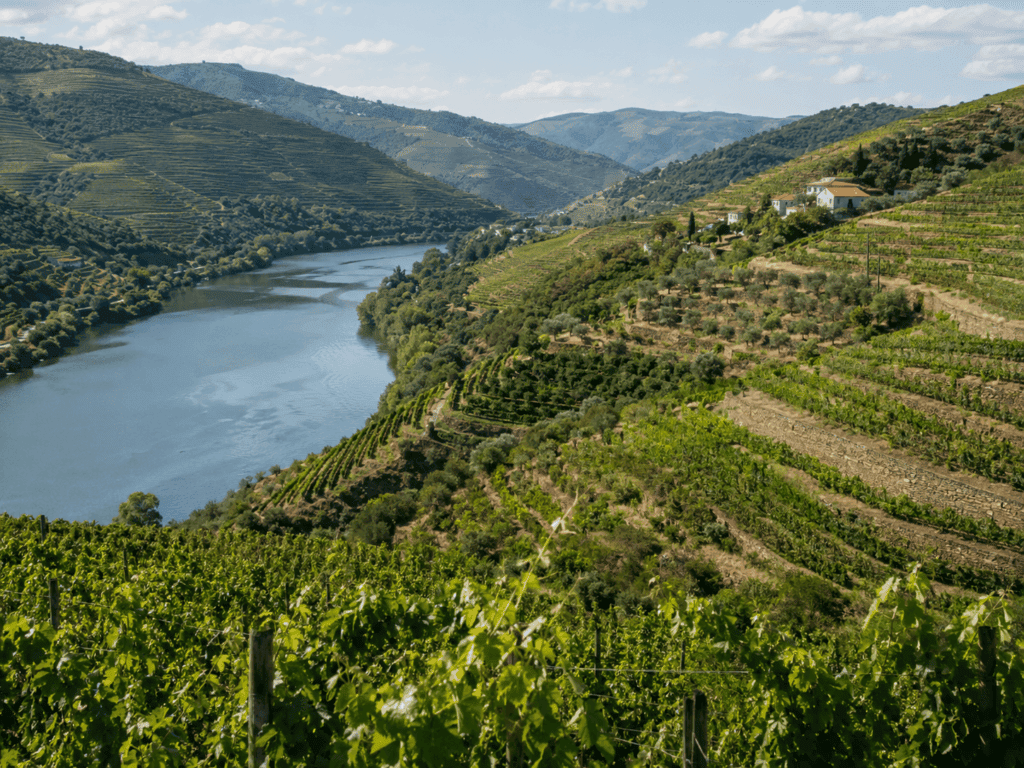
The Douro Valley has been producing wine for 2,000 years. It was officially demarcated in 1756, making it the world’s first legally recognized wine region, a full century before Bordeaux had its 1855 Classification. UNESCO designated the Alto Douro Wine Region a World Heritage Site in 2001 specifically for its terraced landscape and the uninterrupted continuity of its wine-making culture.
And yet the Douro still gets treated as the “other” option. That is changing, and the travelers discovering it first are being quietly smug about it at dinner parties.
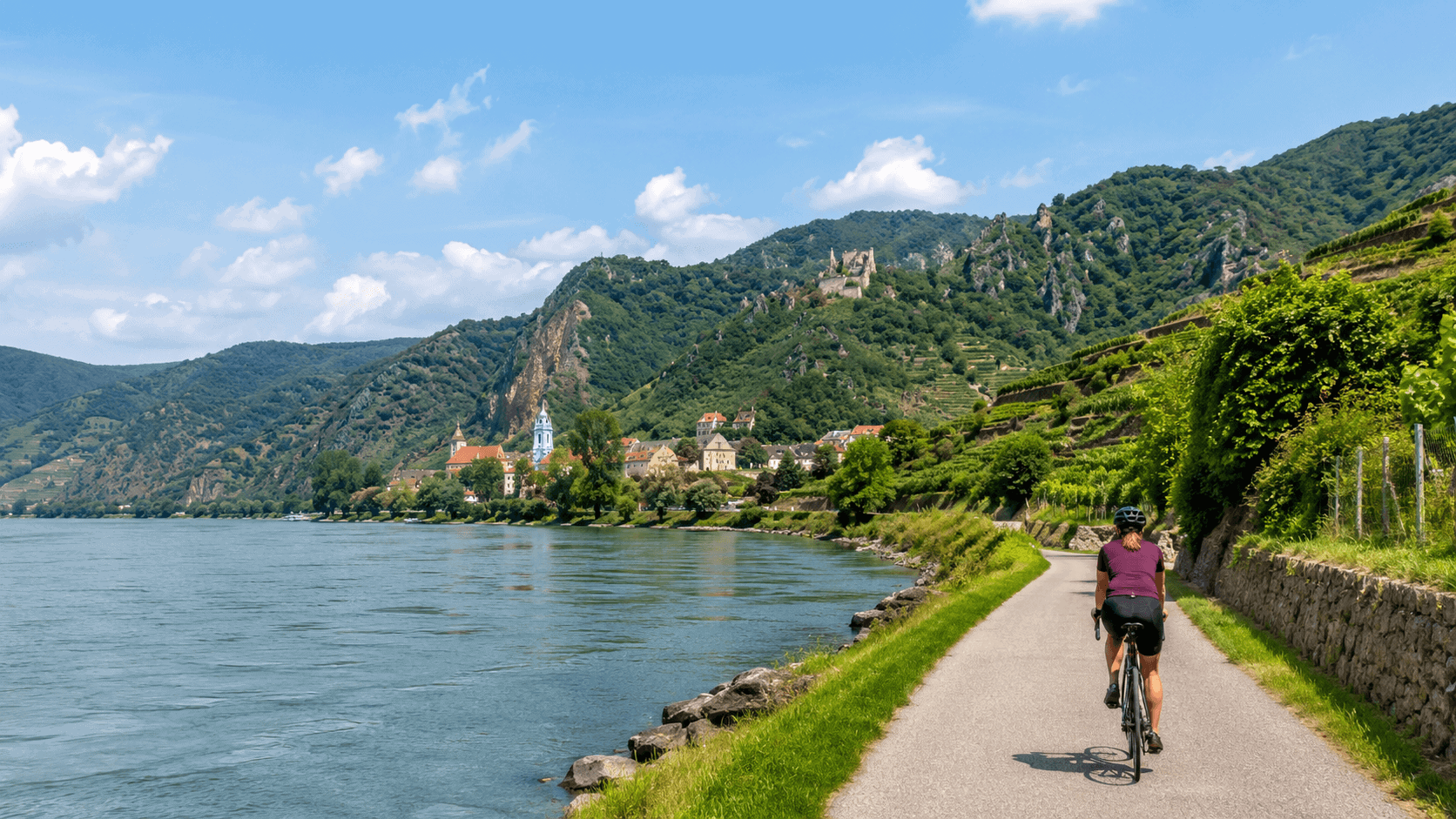
The terraced hillsides between Régua and Pinhão are consistently cited as the most dramatic river scenery in all of European cruising, and they look even better with a glass of port in hand.
The Wines You’ll Actually Taste
The Douro is famous for Port wine, which is produced exclusively here from more than 80 permitted grape varieties. The five that dominate are Touriga Nacional, Touriga Franca, Tinta Barroca, Tinto Cão, and Tinta Roriz (also known as Tempranillo). The region also produces increasingly celebrated dry reds and whites that have grown dramatically in quality and international recognition since the 1990s, according to Wine Enthusiast’s Douro Valley guide.
The tasting experience on a Douro cruise is structurally different from Bordeaux or the Rhône. You are visiting quintas: family wine estates, often owned and operated by the same families for generations. The scale is smaller, the access is more personal, and the conversations you have with the people making the wine tend to be ones you actually remember. Rick Steves describes the Douro Valley as steeply terraced hillsides, quaint villages, and acres of ripe vineyards, which is accurate and also undersells it by roughly forty percent.
The Ports You’ll Actually Visit
Sailings typically depart from Porto, which is a city worth arriving one or two days early for. The river itinerary travels approximately 200 kilometers inland through the terraced vineyards to Régua, Pinhão, and often crosses into Spain to visit the university city of Salamanca. The stretch between Régua and Pinhão is consistently cited as the most dramatic river scenery in all of European cruising. Calling it beautiful does not cover it.
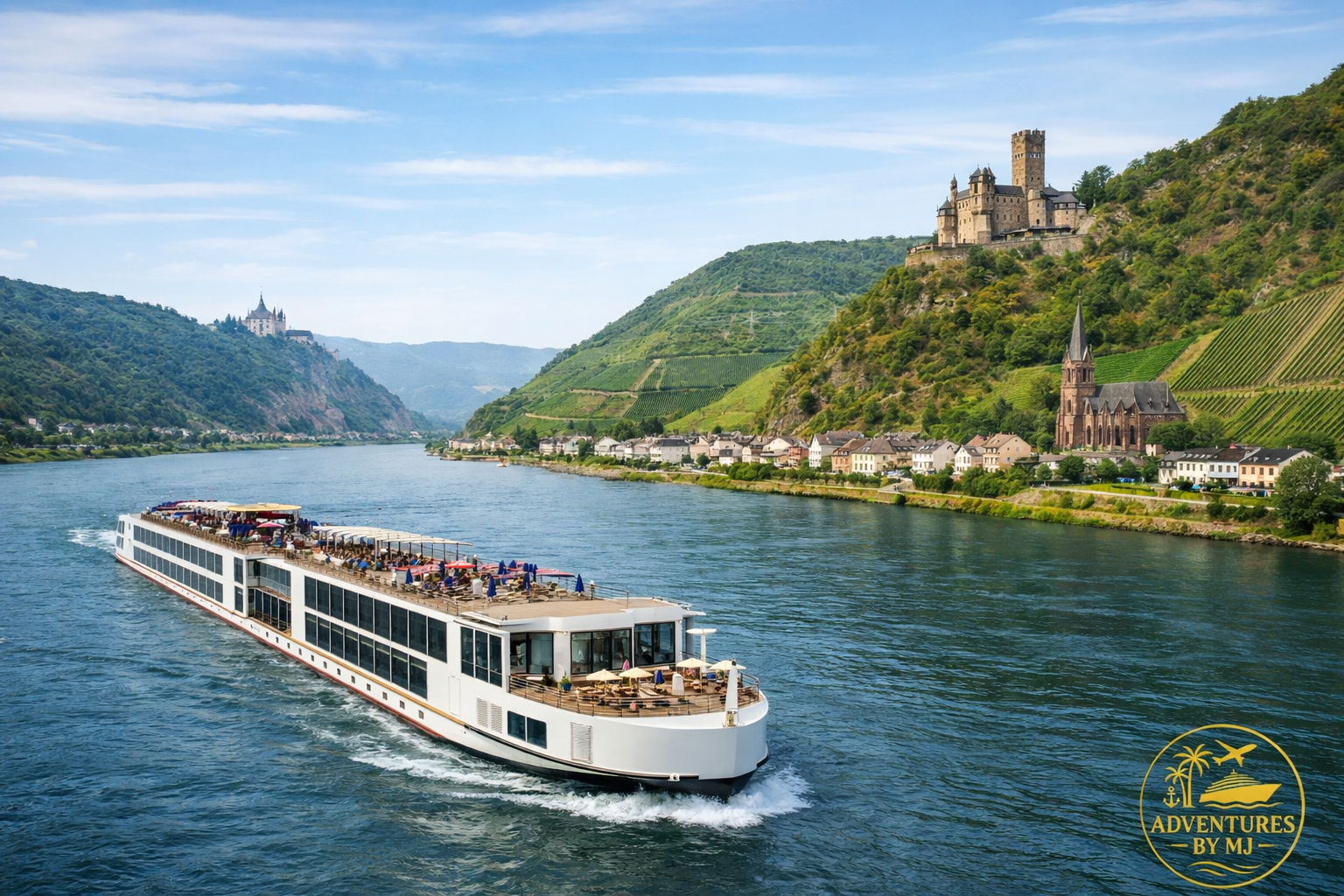
The Douro has fewer operators than Bordeaux or the Rhône, which contributes to the more intimate overall experience. Uniworld, Viking, AmaWaterways, Scenic, and Emerald Cruises all sail the Douro in 2026. The river is narrower than the Rhine or Rhône, the ships are smaller by necessity, and that scale works in the wine lover’s favor. You are not processing this landscape from a ship with 400 strangers. You are moving through it slowly, at close range.
The Douro is right for you if: You want river scenery that will make you feel like you’re inside a painting, you love Port wine and want to understand it at its source, or you’ve noticed that every traveler who has been there talks about it with an intensity usually reserved for life-changing events.
Rhône River Cruise: Two Wine Cultures, One River
The Rhône is the wine lover’s overachiever. It is the second largest wine appellation in France, with more than 71,000 hectares of vines and over 30 AOC designations, according to Wine Enthusiast’s Rhône Valley guide. A Rhône river cruise essentially gives you a greatest-hits tour of two completely different wine philosophies divided by geography, connected by a river, and delivered with the additional bonus of some of the most stunning food cities in France.
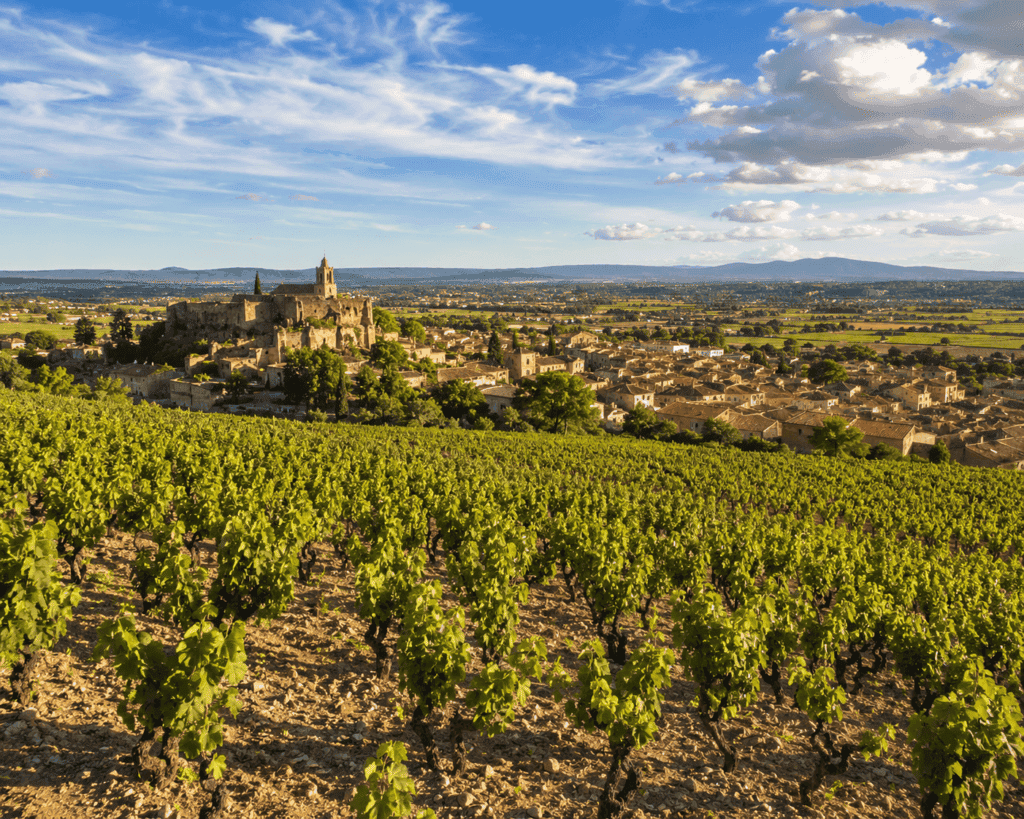
Châteauneuf-du-Pape’s distinctive stony soils, known as galets roulés, absorb heat during the day and radiate it back overnight, contributing to the appellation’s bold, generous reds.
The Wines You’ll Actually Taste
The northern Rhône is Syrah country, and it is serious about it. Hermitage (AOC since 1937) and Côte-Rôtie (AOC since 1940, the name translating as “roasted slope” in a way that feels exactly right once you see those south-facing hillsides) produce wines of structure and complexity with the kind of aging potential that makes wine people reorganize their cellars. Côte-Rôtie blends up to 20% Viognier into the Syrah, which sounds like an odd decision until you taste it and promptly understand why this has been done here since the Romans.
Then the river drops into the southern Rhône, and the entire register changes. Châteauneuf-du-Pape (AOC since 1936, named for the papal seat after Pope Clement V relocated the Church’s headquarters to Avignon in 1309, which is a wine origin story that absolutely holds up) covers 3,231 hectares and permits 15 different grape varieties, with Grenache dominant. Close to 95% of Châteauneuf-du-Pape wine is red. Gigondas, Vacqueyras, and the sprawling Côtes du Rhône round out the south with wines that are generous, sun-drenched, and broadly less intimidating than a list of Northern Rhône appellations suggests.
Most Rhône itineraries also pull in Beaujolais country near Lyon and occasionally Burgundy heading north, which means Gamay and Pinot Noir are now also on your agenda. The Rhône is essentially asking your wine vocabulary to do a lot of work in a week, and most wine lovers are fine with that.
The Ports You’ll Actually Visit
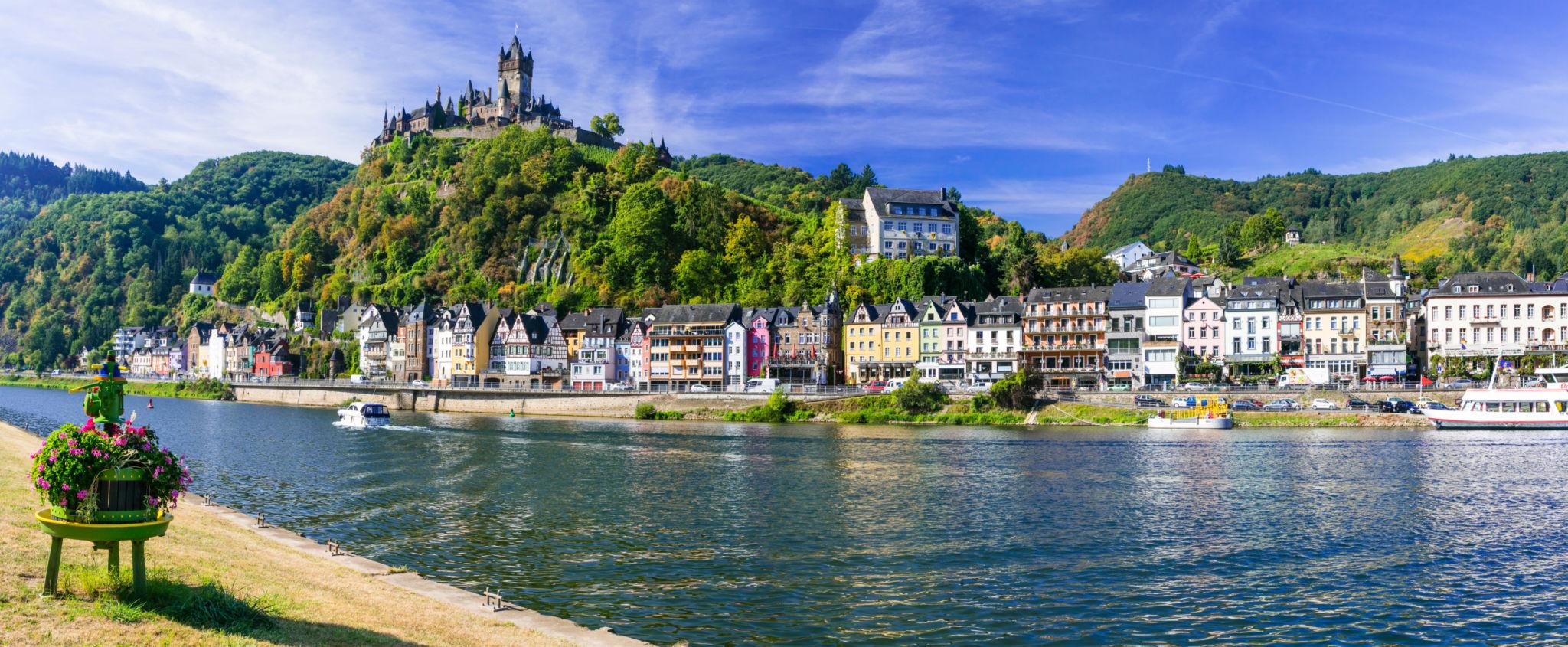
Most Rhône itineraries run between Arles or Avignon in the south and Lyon or Mâcon in the north. Key ports include Vienne, Tournon-sur-Rhône, Viviers, and Tarascon. Lyon is one of the great food cities of Europe and arriving there by river instead of train is the correct way to experience the approach. Avignon, with the Palais des Papes and the famous bridge, is the southern anchor and worthy of a leisurely afternoon on top of whatever your cruise schedule offers.
The Rhône is right for you if: You want the maximum variety of wine styles on a single itinerary, you are already a Burgundy enthusiast looking to connect it to the south, or you genuinely cannot decide between Syrah and Grenache and have concluded that the only sensible solution is to drink both in the same week.
Best European Wine River Cruises: Bordeaux vs Douro vs Rhône
Side-by-side comparison for wine lovers – by Adventures by MJ
Bordeaux
Douro (Portugal)
Rhône (France)
River(s)
Garonne, Gironde, Dordogne
Douro River
Rhône & Saône
Key Grapes
Cabernet Sauvignon, Merlot, Sémillon
Touriga Nacional, Touriga Franca, Tinta Roriz
Syrah, Grenache, Viognier, Gamay, Pinot Noir
Wine Style
Classic French reds, Sauternes dessert wines
Port wine + dry reds & whites
Full spectrum: structured Syrah to sun-forward Grenache
Top Wine Regions
Médoc, Saint-Émilion, Pauillac, Sauternes
Douro DOC, Port wine estates (quintas)
Hermitage, Côte-Rôtie, Châteauneuf-du-Pape, Côtes du Rhône
UNESCO Status
Saint-Émilion (1999)
Alto Douro Wine Region (2001)
None (Avignon Papal Palace nearby)
Best Season
Sept-Oct (harvest); Apr-June (lighter crowds)
Sept-Oct (harvest); May-June (green, lush)
Sept-Oct (harvest); Apr-June (spring festival season)
Departure City
Bordeaux
Porto (often ends in Lisbon)
Lyon or Arles / Avignon
Scenery Type
Gentle river, flat châteaux country
Dramatic terraced hillsides – most scenic of the three
Varied: granite slopes north, lavender & garrigue south
Best For
Wine prestige seekersFirst-timers
Port wine loversOff-beaten-path travelers
Wine variety seekersFood city lovers
Top Cruise Lines
AmaWaterways, Uniworld, Viking
Uniworld, Viking, AmaWaterways, Scenic
AmaWaterways, Uniworld, Amadeus
Approx. Price*
$3,500-$5,500+ pp (7-8 days)
$3,000-$5,000+ pp (7-8 days)
$3,200-$5,500+ pp (7-8 days)
Wine Variety
Focused (3 main styles)
Focused (Port + dry)
Broadest range of the three
How to Choose: The Short Version
If you are deciding between these three rivers and need the condensed answer:
Choose Bordeaux if you want classic prestige
Choose a Bordeaux river cruise for classic French wine prestige and Grand Cru château access.
The most iconic wine names in the world, maximum château access, Saint-Émilion’s medieval streets, and the most established wine cruise infrastructure in Europe. Bordeaux is the right choice if wine prestige matters to you and you want a cruise that comes with recognized labels and a verifiable bucket list.
Choose the Douro if you want discovery
Choose a Douro river cruise for the most dramatic scenery in European cruising and an intimate Port wine experience.
The most dramatic river scenery in European cruising, Port wine at its geographic and cultural source, intimate quinta visits, and a UNESCO World Heritage landscape that still feels like a find rather than a circuit. The Douro is right for travelers who want to come home with a story rather than a checklist.
Choose the Rhône if you want variety
Choose a Rhône river cruise for the broadest range of wine styles available on any single European river cruise route.
The greatest range of wine styles available on a single European river cruise route, France’s most compelling food city (Lyon) as a bookend, and the chance to move between genuinely different wine cultures without ever disembarking. The Rhône rewards travelers who want a deep cut across French wine culture rather than a single-focus deep dive.
For a broader look at how river cruising compares to train travel and guided tours across Europe, that full breakdown is covered right here. If you’re still deciding between the top cruise lines for any of these routes, the Viking vs AmaWaterways comparison covers the key differences in detail. And if you’re weighing river cruising against an ocean cruise, the best Mediterranean cruise lines guide is a useful parallel read.
What is the best European river cruise for wine lovers?
The Bordeaux, Douro, and Rhône rivers are the strongest options for wine-focused river cruising in Europe. Bordeaux is the best choice for prestige wine programming and château access. The Douro is the best choice for Port wine lovers who also want the most dramatic scenery. The Rhône delivers the widest range of wine styles in a single itinerary, covering Northern and Southern Rhône appellations plus often Beaujolais and Burgundy.
What is the difference between a Bordeaux river cruise and a Rhône river cruise?
Bordeaux focuses primarily on Cabernet Sauvignon, Merlot, and Sauternes in some of the world’s most famous wine appellations. The Rhône covers a broader range of styles, from Syrah-dominant Northern Rhône wines to the Grenache-forward blends of Châteauneuf-du-Pape in the south. Bordeaux tends to feel more like a high-prestige wine tour; the Rhône feels more like a wide-ranging wine education.
Is the Douro Valley the oldest wine region in the world?
The Douro Valley is the world’s oldest officially demarcated wine region, established by the Marquis of Pombal in 1756. Wine has actually been produced there for approximately 2,000 years, but the 1756 demarcation made it the first region in the world to receive formal legal recognition and quality regulation. UNESCO added the Alto Douro Wine Region to its World Heritage List in 2001.
Which cruise line is best for a wine river cruise in Europe?
AmaWaterways and Uniworld consistently receive the strongest marks for dedicated wine programming across all three rivers. AmaWaterways offers the most active and immersive excursion options, including vineyard biking and small-group AOC estate tastings. Uniworld operates with smaller ships and a higher staff-to-guest ratio, which produces a more boutique, personalized experience. Viking is the most reliable choice for first-time wine river cruisers who want a well-run program at a larger scale.
What is the best season for a wine river cruise in Europe?
Harvest season in September and October is widely considered the best time for a wine river cruise in Europe. Cruise lines add harvest-specific programming, vineyard visits coincide with active pressing and fermentation, winemaker events are more accessible, and the autumn foliage on all three rivers is genuinely beautiful. Spring (April through June) is the second-best window for lighter crowds and lower prices.
How does a Douro river cruise compare to a Bordeaux river cruise?
The most significant difference is atmosphere and scale. Bordeaux is one of the most commercially prominent wine regions in the world, and the cruise experience reflects that: château names are recognizable, the infrastructure is well-established, and the programming is polished. The Douro is smaller, more personal, and less traveled, which gives quinta visits a genuinely intimate quality. Bordeaux will feel iconic; the Douro will feel like a discovery.
Can I do a wine river cruise if I am not a serious wine enthusiast?
Yes, absolutely. The wine programming on all three rivers is designed to be accessible and informative rather than intimidating. You do not need to know your Grenache from your Syrah before boarding. These cruises are designed to teach as well as pour, and the destinations are compelling on their own terms even for travelers whose wine knowledge currently tops out at “I like red.”
What should I pack for a wine river cruise?
Comfortable walking shoes are non-negotiable, since vineyard terrain is rarely flat or paved. Bring a small insulated bag or tote if you plan to bring bottles home. A lightweight layer for evening tastings on deck is useful. Most importantly, pack fewer clothes than you think you need and use the saved luggage space for wine. This is not a drill.
Before You Book: A Word From Your Advisor
Wine river cruises attract travelers with high expectations, and that is exactly the kind of trip where having a knowledgeable travel advisor in your corner actually pays off. Not because booking these cruises is complicated (it is not), but because the differences between lines, ships, cabin categories, and sailing dates matter more on a seven-day focused itinerary than they do on a two-week Caribbean cruise where there is more room for a mediocre sea day.
I have booked wine river cruises on the Douro, the Rhône, and the Bordeaux rivers for clients across multiple cruise lines, and I know exactly which departure dates and cabin categories to look for in 2026.
If you are thinking about any of these rivers for 2026 or 2027, I would love to help you work through the options. No hard sell, no scripted pitch. Just the honest perspective of someone who has booked more wine river cruises than she can count without opening a spreadsheet, and who genuinely believes you are going to want more than one glass of whatever they pour you in Pauillac.
Thinking about a river cruise? Grab my free River Cruise Guide — the lines actually worth booking, how to pick your river and season, and the questions to ask before you put down a deposit. [Download the free guide →]
Final Thoughts
Three rivers. Three completely different wine cultures. Three versions of what it means to travel slowly through a landscape that has been producing world-class bottles for longer than most countries have had borders.
Bordeaux will make you feel like you have arrived somewhere important. The Douro will make you feel like you have discovered something. The Rhône will make you feel like you need to move to France and open a wine shop immediately.
The honest truth is that you cannot make a bad choice among these three. The only wrong move is continuing to put it off.
Affiliate Disclosure: This post may contain affiliate links. If you make a purchase through one of these links, we may earn a commission at no additional cost to you. We only recommend products and services we believe may be helpful to travelers.
Hi, I'm Sue. I plan cruises, all-inclusive resorts, and slow multi-country trips through Europe, and I'm a member of the Travel Leaders Network. Twenty years in senior HR leadership before this, which mostly taught me how to read what people actually want. I live in Grain Valley, Missouri with my husband and business partner Mike.