Best Time to Visit Europe in Fall: Why September and October Are the Sweet Spot
Fall in Europe runs September through November, and September and October are the sweet spot. Here's how the two months compare for weather, crowds, foliage and harvest season, plus the best places to go.
Last updated: October 1, 2026 :: Written by Sue Nelson, Travel Advisor | Adventures by MJ
The best time to visit Europe in fall is September and October. These months offer comfortable weather, fewer crowds than summer, beautiful autumn scenery, and harvest-season food and wine experiences across many European destinations.
For many travelers, early fall is the sweet spot because Europe still feels lively, but not overwhelming. You get easier sightseeing, golden landscapes, and a more relaxed atmosphere without peak summer chaos.
The crowds thin out. The weather is still beautiful. The landscapes turn golden. And travel often becomes a little more relaxed, and sometimes even more affordable.
In other words, fall in Europe feels like the continent finally takes a deep breath after the busy summer tourism season.
If you’re planning a trip and trying to decide when to go, here’s why September and October are widely considered the sweet spot for European travel.
The best time to visit Europe in fall is September and October. These months offer warm but comfortable weather, smaller crowds compared to summer, beautiful fall foliage, and harvest-season food and wine festivals across many European destinations.
Many travelers find that early fall provides the perfect balance of great weather, easier sightseeing, and a more relaxed travel atmosphere.
Quick Answer: Best Time to Visit Europe in Fall
The best time to visit Europe in fall is September and October. September is best for warmer weather and a late-summer feel, while October is best for peak fall foliage, harvest festivals, and a cozier atmosphere.
Many experienced travelers consider September and October the best time to visit Europe in fall because they combine mild weather, smaller crowds, and beautiful seasonal scenery.
Key Takeaways: Best Time to Visit Europe in Fall
Fall in Europe runs September through November, and September and October are the sweet spot for most trips.
September still feels like late summer, with warm days, long evenings and beach weather in southern Europe, minus the July crowds.
October is the month for fall color and harvest festivals. Expect highs around 70°F in Rome and Barcelona and around 60°F in Paris and Vienna.
Munich’s Oktoberfest is mostly a September event. In 2027 it runs September 18 through October 3.
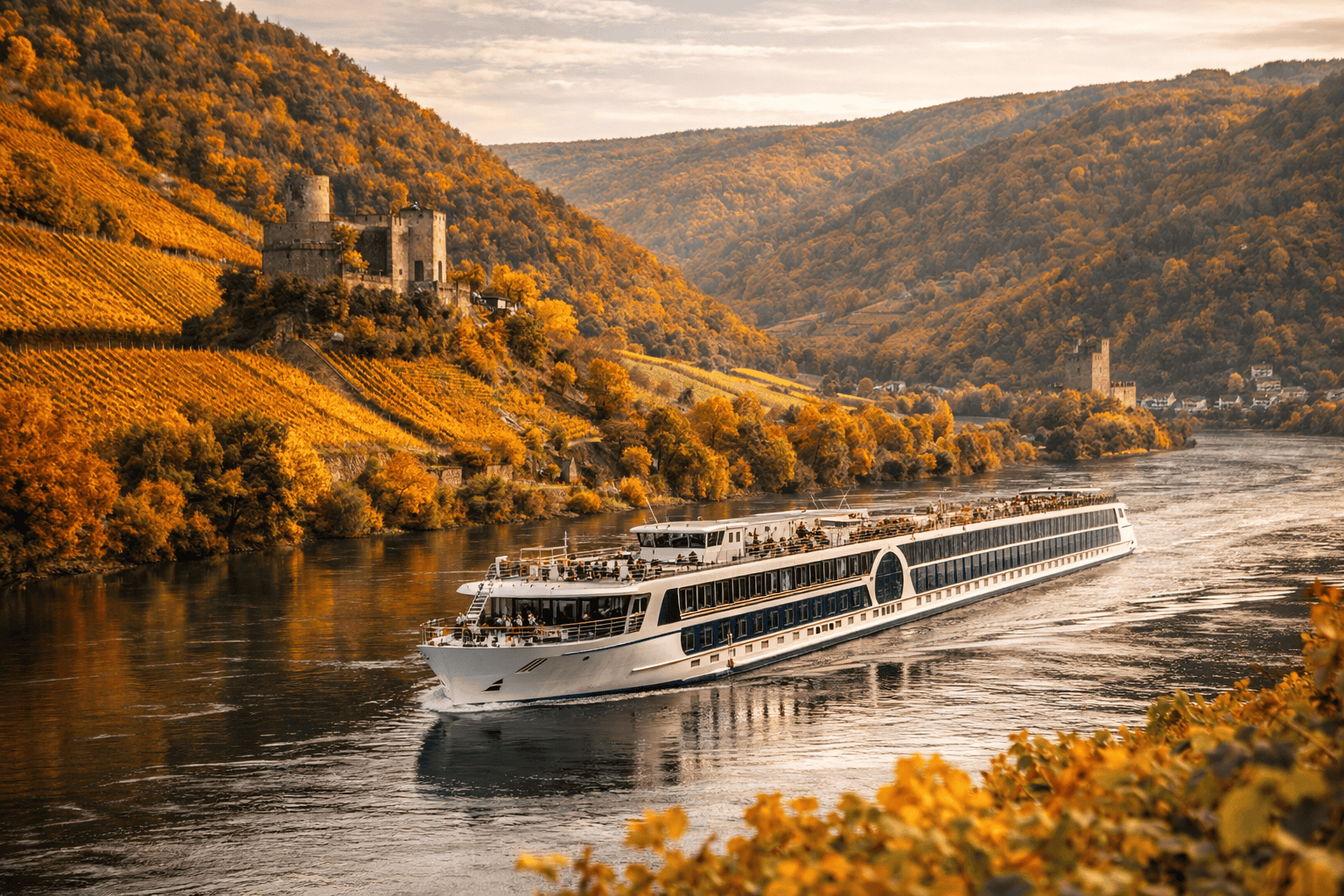
Fall is prime time for Rhine, Danube and Douro river cruises, when the vineyards turn gold.
September and October aren’t a secret anymore, so book river cruises, tours and popular hotels early.
Quick Voice Search Answers: Europe in the Fall
What months are fall in Europe?
Fall in Europe is September, October and November by the weather calendar. Astronomically, autumn starts at the September equinox, which usually falls on September 22 or 23, and runs until the winter solstice in late December, according to the UK’s Met Office.
Is it cold in Europe in October?
Not in the south. Rome and Barcelona still average highs around 70°F in October, while Paris and Vienna are closer to 60°F, so pack layers and a light rain jacket.
When is Oktoberfest in Munich?
Oktoberfest runs for about two weeks at the end of September and finishes in early October. The 2027 dates are September 18 through October 3, according to the official Oktoberfest site, so book Munich hotels early.
Is November a good time to visit Europe?
It can be, if short lines and lower prices matter more to you than sunshine. Days are short and some countryside towns go quiet, but cities like Paris, Vienna and Rome stay lively, and many Christmas markets open in the second half of November.
When can I see the Northern Lights in Europe?
The season starts in late August and gets going as fall nights lengthen. Visit Norway says the lights can appear until late March, with September, October, March and April among the most active months.
Why Fall Is the Best Time to Visit Europe
Travelers often assume summer is the ideal time for Europe, but that assumption comes with a few tradeoffs.
Summer can mean:
crowded cities
long lines at attractions
higher prices
intense heat in southern Europe
Fall solves many of those problems while keeping most of the benefits.
Here’s what makes early fall so special.
Fewer Crowds
One of the biggest advantages of traveling to Europe in fall is the dramatic drop in tourism crowds.
This means iconic attractions suddenly become more enjoyable.
Imagine:
walking through Rome without peak summer crowds
visiting the Louvre without shoulder-to-shoulder lines
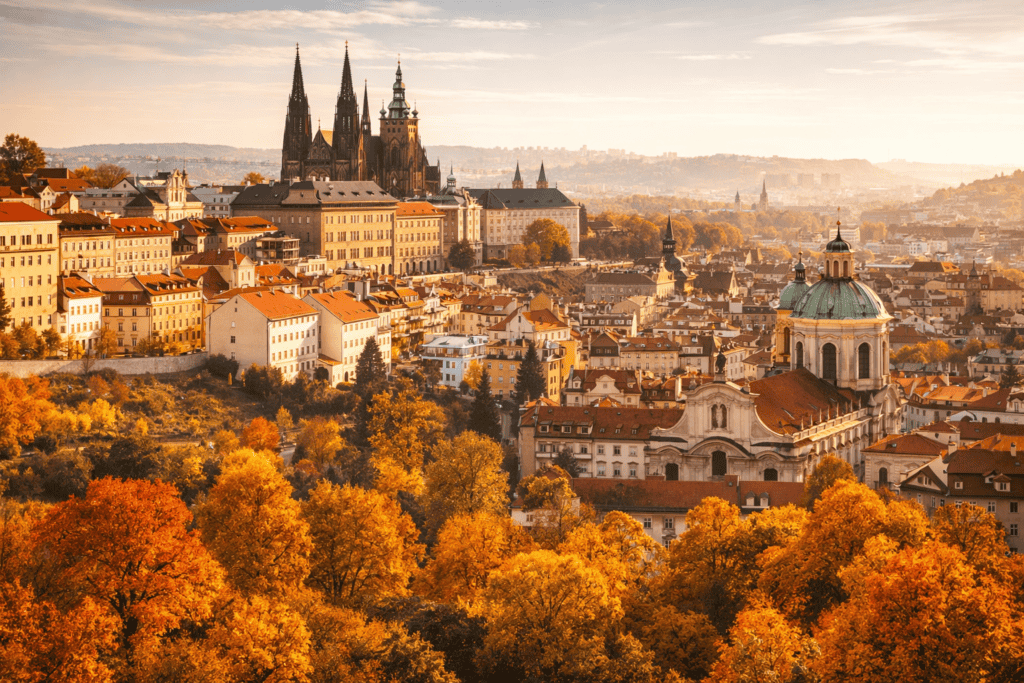
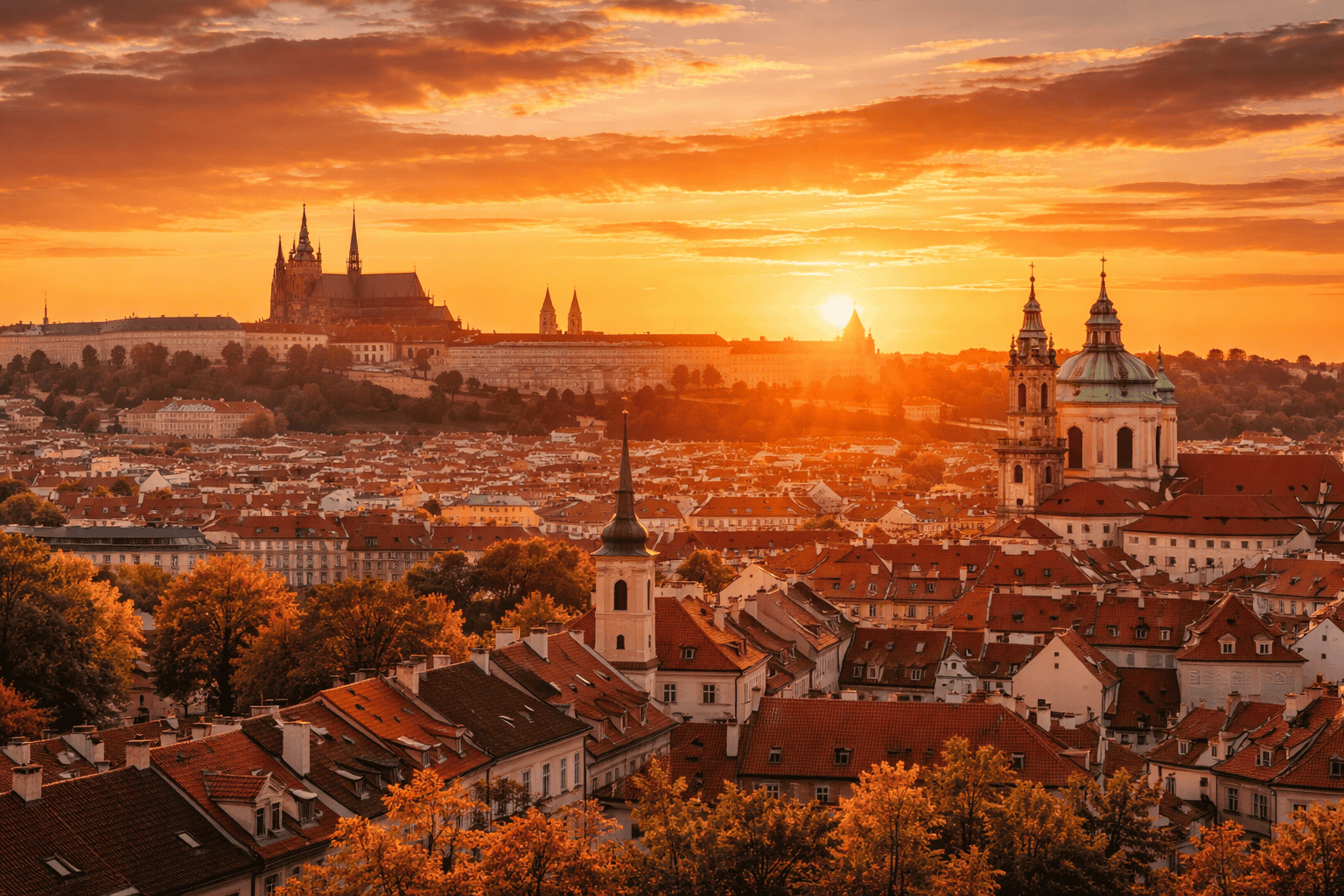
strolling through Prague with room to actually admire the architecture
While Europe is generally very safe, many travelers also carry an anti-theft crossbody travel bag for Europe to keep passports, phones, and wallets secure in busy tourist areas.
Europe doesn’t empty out entirely, but it feels far more comfortable.
Why Fall Weather in Europe Is So Comfortable
Another reason September and October are often considered the best time to visit Europe in fall is the weather.
Summer temperatures in cities like Rome, Barcelona, and Athens can easily climb into the 90s°F (32°C+).
In fall, temperatures become far more comfortable.
Typical fall daytime highs across Europe:
Destination
September Avg High
October Avg High
Paris
70°F / 21°C
61°F / 16°C
Rome
79°F / 26°C
70°F / 21°C
Barcelona
77°F / 25°C
70°F / 21°C
Vienna
70°F / 21°C
59°F / 15°C
Amsterdam
66°F / 19°C
57°F / 14°C
This weather is ideal for walking tours, outdoor cafés, and sightseeing.
You can explore all day without melting in the summer heat.
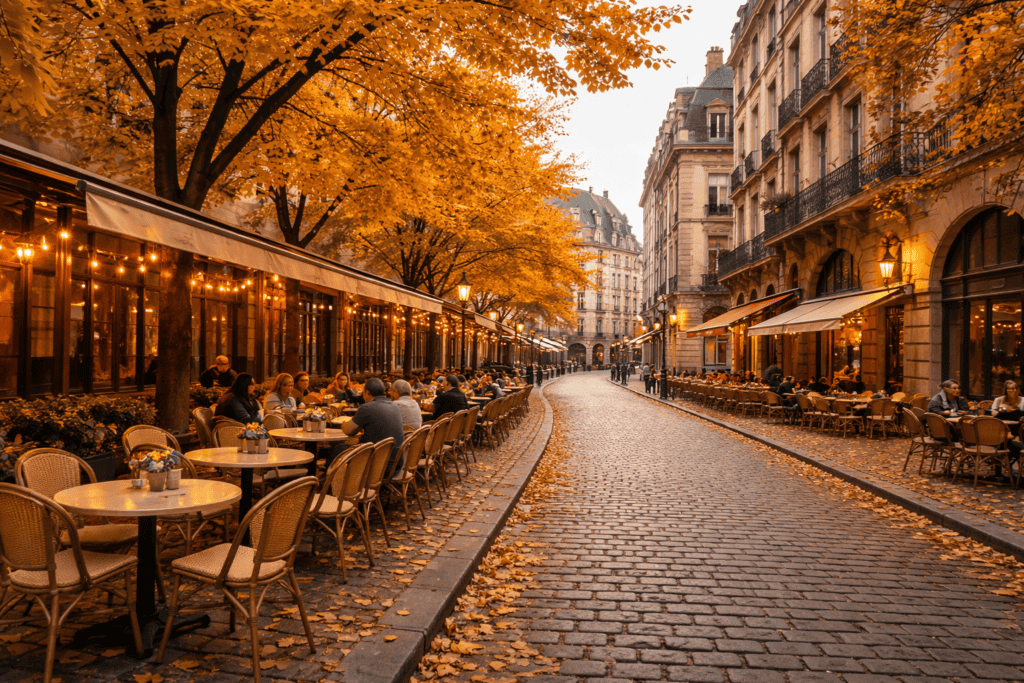
Comfortable temperatures make fall ideal for exploring cities and relaxing at outdoor cafés.
Where Europe Looks Most Beautiful in Fall
Europe in autumn looks like a painting.
Across the continent, landscapes begin to transform with warm fall colors.
Some of the most beautiful autumn destinations include:
Germany’s Rhine Valley
Austria’s alpine villages
France’s wine regions
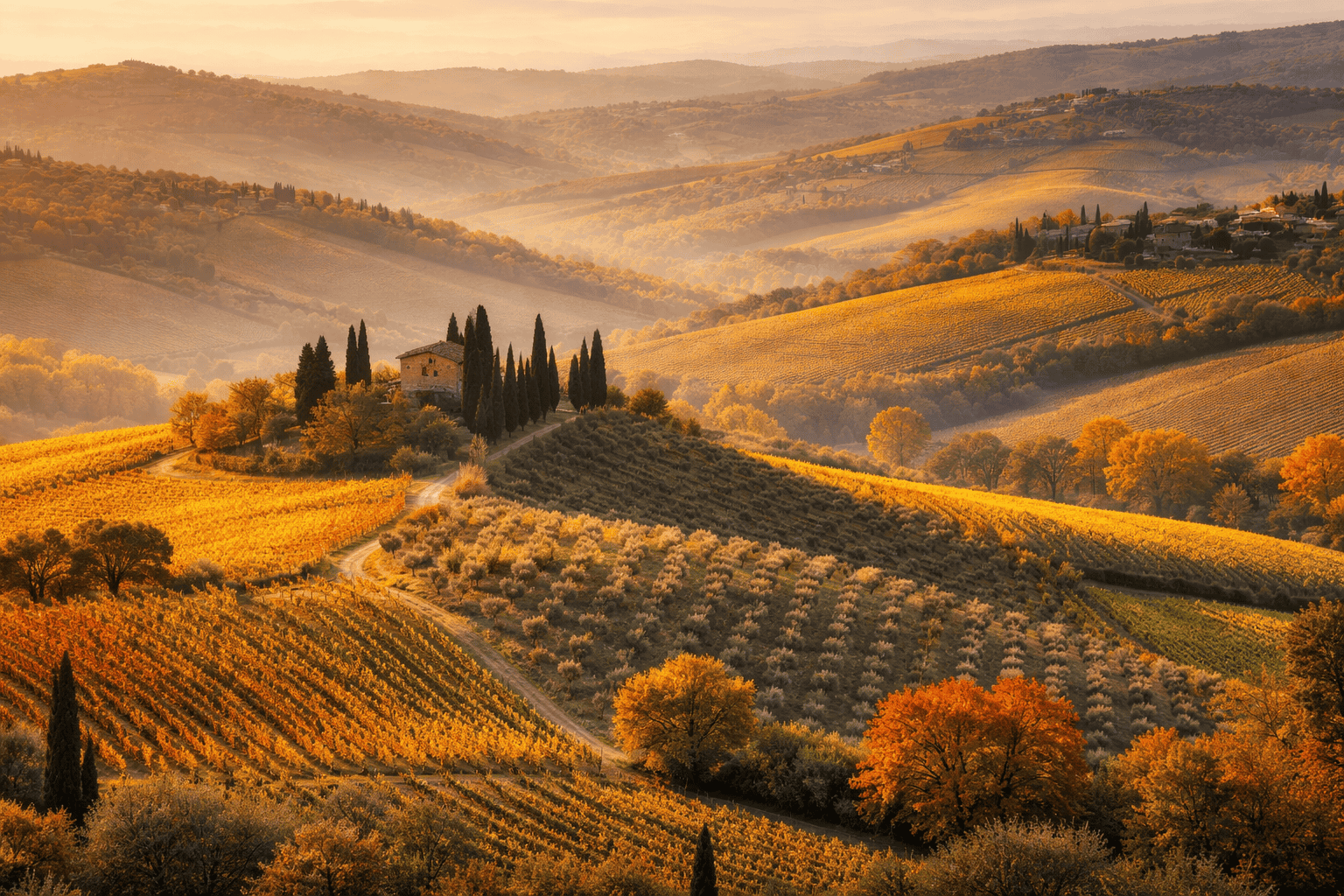
Italy’s countryside
Switzerland’s mountain towns
Golden vineyards, colorful forests, and misty river valleys create some of the most memorable travel scenery of the year.
For photographers and nature lovers, fall is easily one of the most visually stunning seasons in Europe.
Many parts of Europe transform into vibrant autumn landscapes during September and October.
Harvest Season and Food Festivals
Food lovers especially appreciate Europe in the fall.
September and October mark harvest season across many parts of the continent.
This means travelers can enjoy:
wine harvest festivals
seasonal cuisine
local food markets
truffle season in parts of Italy
In Munich, Oktoberfest fills the second half of September and wraps up in early October (the 2027 dates are September 18 through October 3), drawing visitors from around the world.
Wine regions in France, Italy, and Portugal are particularly lively during the fall harvest.
Fall is harvest season across many European wine regions, bringing festivals, tastings, and seasonal cuisine.
Not sure when to go or how to structure your Europe trip? My free Europe Trip Planner covers timing, routes, and the big decisions up front — [grab it here →].
September vs October: Which Month Is Better?
Both months are excellent for European travel, but each offers a slightly different experience.
Month
What It’s Like
Best For
September
Warm weather, late summer feel
First-time visitors
October
Cooler temperatures, peak fall foliage
Scenic travel & wine regions
September
September often feels like a continuation of summer.
Many destinations still have:
outdoor dining
beach weather in southern Europe
extended daylight hours
But with far fewer crowds than July and August.
For many travelers, September offers the best balance of weather and atmosphere.
October
October brings cooler temperatures and the first real signs of autumn.
This is when:
fall foliage peaks in many regions
wine harvest festivals begin
cozy cafés feel especially inviting
October can also be slightly quieter than September.
For travelers who love autumn scenery and atmosphere, October can be magical.
Quick Comparison: September vs October in Europe
Factor
September
October
Weather
Warm and sunny
Cooler and crisp
Crowds
Moderate
Lighter
Fall Foliage
Beginning
Peak in many regions
Festivals
Wine harvests & Oktoberfest
Harvest and truffle festivals
Daylight
Longer days
Shorter days
September vs October in Europe: Which Is Better for You?
Choose September if you want warmer weather, longer days, and a first Europe trip that still feels a bit like summer.
Choose October if you want peak fall colors, wine harvest experiences, and a quieter, cozier atmosphere.
Choose either month if you want fewer crowds, easier sightseeing, and better overall comfort than peak summer.
Best Places to Visit in Europe in Fall
Some destinations shine particularly brightly during the fall months.
Here are a few of the best.
The Rhine River Valley
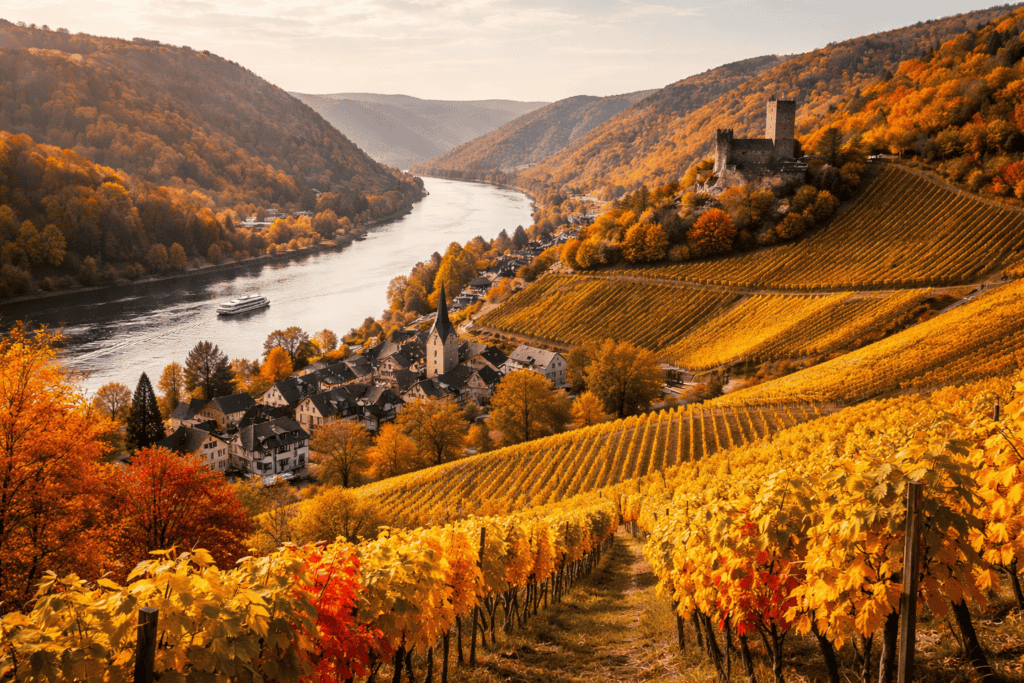
Germany’s Rhine Valley is famous for its medieval castles, vineyards, and dramatic river scenery.
In the fall, vineyards turn shades of gold and amber while river cruise ships glide past storybook towns.
This is one reason many travelers choose fall for European river cruises.
River cruises in fall offer some of the most scenic views of Europe’s castles, vineyards, and countryside.
Europe in Fall Is Often More Affordable
Fall doesn’t always mean “cheap,” but it often means better value. Travelers may find lower hotel rates than peak summer, better tour availability, and fewer sold-out experiences. In many destinations, the overall experience feels calmer and more enjoyable even when prices are only slightly lower.
Northern Lights Trips Begin in Late Fall
For travelers who want to extend their Europe travel plans, fall also marks the beginning of Northern Lights season in northern regions.
Countries like:
Norway
Iceland
Finland
begin seeing aurora activity as nights grow longer.
Enjoy long dinners, wine tastings, and scenic walks.
Europe in autumn rewards travelers who take their time.
Many travelers also review common coverage pitfalls before international trips, and this guide to travel insurance mistakes to avoid explains what to look for.
Fall travel in Europe offers beautiful scenery, comfortable weather, and a more relaxed travel experience.
Is Fall the Best Time for a First Trip to Europe?
For first-time visitors, September is often the easiest month because it still feels lively and warm without the peak-season intensity. October can also be excellent if you care more about autumn scenery, wine regions, and a slower pace than long daylight hours.
Yes, fall can be one of the best times for a first trip to Europe. September and October usually offer comfortable weather, fewer crowds than summer, and a more relaxed sightseeing experience in major cities like Paris, Rome, and Prague.
Real Talk About Fall Travel in Europe
If you want nonstop beach weather, peak nightlife, and the longest possible days, summer may still be your best fit. But if you want Europe to feel more comfortable, more scenic, and far less chaotic, fall is often the smarter choice. For many travelers, September and October deliver the version of Europe they were hoping summer would be.
FAQs About Visiting Europe in Fall
Is fall the best time to visit Europe?
For many travelers, fall is one of the best times to visit Europe because it offers a great balance of pleasant weather, smaller crowds, and beautiful scenery. September and October in particular provide comfortable temperatures for sightseeing and a more relaxed travel atmosphere compared to the busy summer months.
Is September or October better for visiting Europe?
September is often warmer and feels similar to late summer, making it ideal for travelers who want comfortable weather and longer daylight hours. October brings cooler temperatures and stunning fall foliage, which many travelers prefer for scenic trips and wine region visits.
Is Europe crowded in the fall?
Europe is generally less crowded in fall compared to peak summer travel months like July and August. While popular cities still see visitors, attractions are typically easier to enjoy with shorter lines and more space to explore.
Is fall a good time for a European river cruise?
Fall is actually one of the most popular seasons for European river cruises because of the beautiful scenery and comfortable weather. Vineyards, forests, and countryside landscapes become especially colorful during autumn, creating spectacular views along rivers like the Rhine and Danube.
Is fall a good time to visit Italy or France?
Yes, fall is a wonderful time to visit destinations like Italy and France. Temperatures are more comfortable for sightseeing, harvest season brings excellent food and wine experiences, and crowds are typically smaller than during the peak summer season.
What month has the best fall colors in Europe?
October usually has the best fall colors in Europe, especially in river valleys, wine regions, and central European cities. In many destinations, September still feels more like late summer, while October is when the classic golden autumn scenery really shows up.
Is September or October cheaper for Europe?
October is often slightly cheaper than September because it is later in the shoulder season and daylight hours are shorter. That said, prices vary a lot by destination, so major cities and popular river cruise routes can still be busy in both months.
Final Thoughts
If you’re trying to determine the best time to visit Europe in fall, September and October are hard to beat.
You’ll enjoy:
comfortable weather
smaller crowds
incredible scenery
harvest-season food and wine
And perhaps most importantly, Europe feels a little more relaxed.
Cities slow down, landscapes glow with autumn colors, and travel becomes less about rushing between attractions and more about enjoying the experience.
A Thought Before You Start Planning
Fall has quietly become one of the most popular times to visit Europe, especially for travelers who want beautiful scenery and comfortable travel conditions.
Some trips — especially multi-country itineraries, river cruises, or complex European journeys — are simply easier with guidance, which is why many travelers explore trips that are better planned with a travel agent.
If Europe in the fall has been sitting on your travel wish list, it might be worth starting to explore your options sooner rather than later.
After all, some of the best trips begin with a simple question:
Where would you most love to wander through golden autumn streets?
Written by Sue Nelson, Travel Advisor | Adventures by MJ | Updated for 2027
Affiliate Disclosure: This post may contain affiliate links. If you make a purchase through one of these links, we may earn a commission at no additional cost to you. We only recommend products and services we believe may be helpful to travelers.
Hi, I'm Sue. I plan cruises, all-inclusive resorts, and slow multi-country trips through Europe, and I'm a member of the Travel Leaders Network. Twenty years in senior HR leadership before this, which mostly taught me how to read what people actually want. I live in Grain Valley, Missouri with my husband and business partner Mike.