Last updated: October 2, 2026 :: Written by Sue Nelson, Travel Advisor | Adventures by MJ
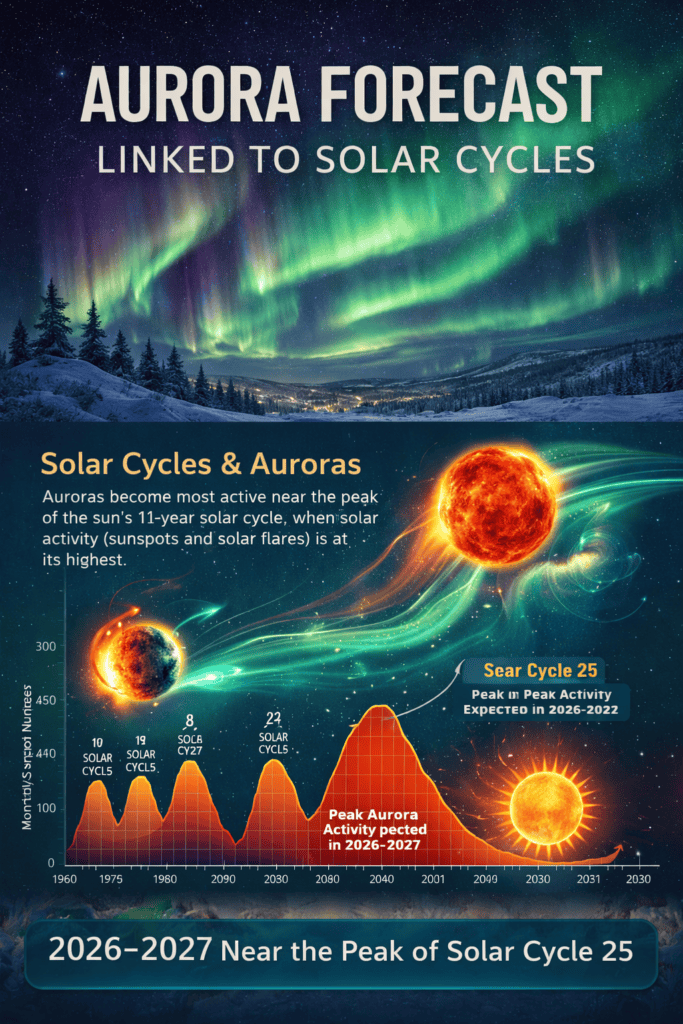
If the Northern Lights are on your travel bucket list, now is the perfect time to start planning your trip. NASA and NOAA announced in October 2024 that the Sun had reached solar maximum, and strong auroras often keep coming for a few years after the peak, so 2026–2027 is still an excellent window to see the aurora borealis. In this guide, we’ll walk you through the best destinations to see the Northern Lights, plus tips on when to go, what to bring, and how to make the most of your trip with curated sample itineraries.
Whether you’re dreaming of snowy Lapland, a cozy lodge in Alaska, or remote views over Greenland’s glaciers, you’ll find something magical in this guide.
Planning a Northern Lights trip isn’t just about luck — it’s about choosing the right destination, timing your travel correctly, and understanding what conditions increase your chances of success. This Northern Lights 2026–2027 travel guide breaks down the best places to see the Northern Lights, explains where to see the Aurora Borealis, and shares practical Northern Lights viewing tips to help you plan with confidence.
Northern Lights Season 2026–2027: What Travelers Should Know
The Northern Lights season in 2026 generally runs from late August through early April, when nights are long and skies are dark enough to support aurora visibility. However, not all destinations perform equally throughout the season. Weather patterns, latitude, and light pollution all play a role in determining where and when the aurora is most visible.
Understanding Northern Lights destinations by month can dramatically improve your chances of seeing the aurora. Some locations peak early in the season, while others shine brightest in deep winter or early spring.
Quick Answer: The best destinations to see the Northern Lights in 2026–2027 include Iceland, Tromsø (Norway), Finnish Lapland, Alaska, and Canada’s Northwest Territories. These spots offer prime aurora activity, accessible travel options, and high probability during peak aurora seasons.
Key Takeaways: Northern Lights 2026–2027
Aurora season runs roughly late August to early April. Plan around a new moon for the darkest skies.
The Sun reached solar maximum in 2024, and strong displays often continue for a few years after, so 2026–2027 is still a good window.
Tromsø, Abisko, Yellowknife and Fairbanks have the most reliable odds, and Abisko’s “blue hole” gives it extra clear nights.
Fairbanks is the easiest aurora trip for Americans, with no passport needed.
Book at least three or four nights. Clouds, not the sun, are what usually ruin an aurora trip.
Summer Alaska cruises won’t show you the aurora, but winter voyages along Norway’s coast can.
Why Go: One of the most popular and reliable places to see the Northern Lights thanks to its location above the Arctic Circle and relatively mild coastal climate.
When to Go: September to April
Where to Stay: Arctic Panorama Lodge or Scandic Ishavshotel
Sample Itinerary: Combine dog sledding, reindeer safaris, and Sami culture with nightly aurora chases.
2. Fairbanks, Alaska, USA
Why Go: Crystal-clear skies and low light pollution make this one of the top U.S. destinations. When to Go: Late August to April Where to Stay: Chena Hot Springs Resort or Aurora Borealis Lodge Sample Itinerary: Spend your days soaking in hot springs and nights watching the skies.
If Alaska is on your shortlist, this guide to the best time to visit Alaska can help you compare seasons for aurora viewing, winter travel conditions, and overall trip planning.
3. Abisko, Sweden
Why Go: Known for its “blue hole” microclimate, which increases the chances of clear skies. When to Go: November to March Where to Stay: STF Abisko Turiststation or Abisko Mountain Lodge Sample Itinerary: Hike through Abisko National Park and ride the chairlift to the Aurora Sky Station.
4. Reykjavik & Vik, Iceland
Why Go: Iceland offers a mix of epic landscapes and aurora action, plus plenty of non-light activities. When to Go: September to March Where to Stay: Hotel Rangá (South Coast) or Canopy by Hilton Reykjavik Sample Itinerary: Drive the South Coast, visit waterfalls and black sand beaches, and chase the lights each night.
Stay in the Know!
Signup for news and special offers
Thank you!
You have successfully joined our savvy travelers list.
5. Yellowknife, Northwest Territories, Canada
Why Go: One of the best places in North America for consistent aurora sightings. When to Go: Mid-November to early April Where to Stay: Blachford Lake Lodge or Aurora Village Sample Itinerary: Snowshoeing by day, teepee aurora viewing by night.
6. Rovaniemi, Finland
Why Go: Experience Lapland magic—Northern Lights plus Santa Claus Village. When to Go: September to March Where to Stay: Arctic TreeHouse Hotel or Apukka Resort Sample Itinerary: Reindeer sleigh rides, glass igloos, and northern lights safaris.
7. Ilulissat, Greenland
Why Go: Remote, dramatic, and awe-inspiring ice fjords as your aurora backdrop. When to Go: September to April Where to Stay: Hotel Arctic Sample Itinerary: Explore the UNESCO-listed Ilulissat Icefjord during the day and watch the aurora over icebergs at night.
8. Scottish Highlands, Scotland
Why Go: A lesser-known gem with rugged landscapes and occasional auroras known as “Mirrie Dancers.” When to Go: October to March Where to Stay: Torridon Hotel or remote Highland cottages Sample Itinerary: Combine whisky tastings, Highland hikes, and aurora hunting in Cairngorms National Park.
9. Svalbard, Norway
Why Go: One of the northernmost inhabited areas in the world. When to Go: November to February (Polar Night period) Where to Stay: Radisson Blu Polar Hotel or Basecamp Hotel Sample Itinerary: Arctic expeditions, polar bear spotting, and aurora safaris.
10. Whitehorse, Yukon, Canada
Why Go: Dark Yukon skies a short drive from town, and lodges built around aurora viewing. When to Go: Late August to April Where to Stay: Northern Lights Resort & Spa, with glass-front chalets just outside Whitehorse Sample Itinerary: Dog sledding and hot springs by day, aurora watching from a warm chalet by night.
Northern Lights Viewing Tips for First-Time Travelers
Seeing the aurora isn’t guaranteed, but following smart Northern Lights viewing tips can greatly improve your chances. Choosing destinations above the Arctic Circle, traveling during peak aurora months, staying multiple nights, and monitoring real-time aurora forecasts like NOAA’s 30-minute aurora forecast all make a difference.
Patience, flexibility, and realistic expectations are just as important as destination choice when planning a Northern Lights trip.
While not essential, compact travel binoculars can enhance your viewing experience in areas with faint aurora activity.
Timing Tips for 2026-2027
Peak Months: September to March (look for new moon phases!)
Best Viewing Hours: 10 PM to 2 AM
Solar Activity: Solar Cycle 25 reached its maximum period in 2024, and strong displays often continue for a few years after the peak, so 2026-2027 is still a good aurora window.
If you’re considering Norway, Sweden, Finland, Scotland, or Iceland, this guide to the best time to travel to Europe can help you think through seasonal weather, crowds, and travel timing beyond aurora season alone.
If you’re heading to places like Fairbanks or Yellowknife where temperatures can drop well below zero, insulated waterproof boots like these will keep your feet warm during long nights outside.
Cold temperatures drain batteries quickly, so bringing a high-capacity portable power bank can save both your phone and your camera.
Aurora Tours & Excursions
We can pair you with unforgettable tours through our preferred partners. Whether it’s:
We’ll help you find the perfect way to witness this breathtaking natural wonder.
Quick Voice Search Answers: Northern Lights Trips
Where is the best place to see the northern lights in January 2027?
Tromsø, Abisko and Fairbanks are the best January bets, with long dark nights, reliable aurora tours and good odds of clear skies. If clear skies matter most, Abisko’s “blue hole” microclimate gives it the edge.
What is the best place in the world to see the northern lights?
Yellowknife in Canada and Tromsø in Norway are the most reliable, because both sit right under the auroral oval. For Americans, Fairbanks is the easiest, with no passport needed.
Can you see the northern lights on a cruise?
Yes, on winter voyages along Norway’s coast, where the season runs late September through March. Hurtigruten promises a free 6- or 7-day voyage if the lights don’t appear on its sailings of 11 days or more. Alaska’s summer cruises won’t show you the aurora, because the nights are too bright.
How many nights do you need to see the northern lights?
Plan at least three or four nights, and five if you can. Clouds are the biggest risk, and every extra night is another chance at a clear sky.
Which northern lights destination is cheapest?
For Americans, Fairbanks is often the most affordable, since you skip the international flight and the passport. Norway and Iceland usually cost the most once you add hotels and tours.
What time of night are the northern lights best?
Usually between 10 p.m. and 2 a.m., when the sky is darkest, though strong displays can start right after dusk. Check the aurora forecast in the afternoon and plan your night around it.
FAQs – Best Destinations to See the Northern Lights
What is the best time of year to see the Northern Lights?
The best viewing months are September through March, with peak activity often seen around the new moon when skies are darkest. The hours between 10 PM and 2 AM offer the highest chances.
Will 2026–2027 be a good time to see the Northern Lights?
Yes. The Sun reached the maximum period of Solar Cycle 25 in 2024, and strong auroras often keep coming for a few years after the peak. Activity is easing slowly, so 2026–2027 is still a very good window, especially in high-latitude spots like Tromsø, Abisko, Yellowknife and Fairbanks.
Do I need a special camera to photograph the Northern Lights?
While phone cameras are improving, you’ll get the best shots with a DSLR or mirrorless camera, a wide-angle lens, and a tripod. Don’t forget a remote shutter or timer for long exposures!
If you’re new to night photography, beginner-friendly mirrorless cameras with good low-light performance can make capturing the aurora much easier.
How cold does it get during Northern Lights season?
It varies! Destinations like Iceland and Norway hover around freezing, while places like Fairbanks, Alaska or Yellowknife, Canada can drop well below 0°F (-18°C). Dress in layers and pack thermal gear.
Can I book tours or accommodations through you?
Absolutely! I work with trusted suppliers and local partners to craft curated aurora adventures—flights, stays, excursions, and even gear suggestions. Just message me to start planning!
Ready to Check the Northern Lights Off Your Bucket List? Let Adventures by MJ plan your custom aurora adventure for 2026-2027. Reach out today and let’s turn this dream into a glowing reality.
Not ready to book but want to stay in touch?
Whether you’re planning your first aurora trip or refining your bucket-list plans, choosing the right destination, season, and itinerary is key to experiencing one of nature’s most unforgettable shows.
Chasing the lights in Norway or Iceland turns into a European itinerary very quickly. Here is how Sue builds those.
Written by Sue Nelson, Travel Advisor | Adventures by MJ | Updated for 2027
Affiliate Disclosure: This post may contain affiliate links. If you make a purchase through one of these links, we may earn a commission at no additional cost to you. We only recommend products and services we believe may be helpful to travelers.
Hi, I'm Sue. I plan cruises, all-inclusive resorts, and slow multi-country trips through Europe, and I'm a member of the Travel Leaders Network. Twenty years in senior HR leadership before this, which mostly taught me how to read what people actually want. I live in Grain Valley, Missouri with my husband and business partner Mike.