Best Way to See Europe Without Rushing (Cruise vs Land vs Train Guide)
Trying to see Europe without feeling rushed? This guide breaks down the best way to travel: cruise vs land vs train, so you can slow down, enjoy more, and skip the burnout.
If you’ve ever come back from a European trip feeling like you need a vacation from your vacation… congratulations, you did Europe the hard way.
You’re not alone.
Most travelers try to cram Paris, Rome, Barcelona, Amsterdam, and maybe a quick espresso in Vienna into one trip, and then wonder why it feels like a blur of train stations, hotel check-ins, and “Wait… what city are we in again?”
So let’s fix that.
And yes, don’t forget a Europe travel adapter, because nothing says “stressful start” like a dead phone in a foreign country.
A reliable portable charger is one of those small things that saves you from big headaches when you’re navigating a new city.
If you’re wondering what the best Europe trip without rushing is, the answer isn’t where you go, it’s how you travel.
Because the right travel style can turn Europe from a checklist into an experience you actually remember.
Let’s break down the three main ways to explore Europe: cruise, land-based travel, and train travel, so you can choose the one that lets you slow down without missing out.
What is the best way to see Europe without rushing?
The best way to see Europe without rushing is to limit your trip to 2–4 destinations and choose a travel style that minimizes logistics. River cruises are the easiest and most relaxed option, land-based travel offers the deepest experience, and train travel provides a flexible middle ground. The key is spending more time in fewer places.
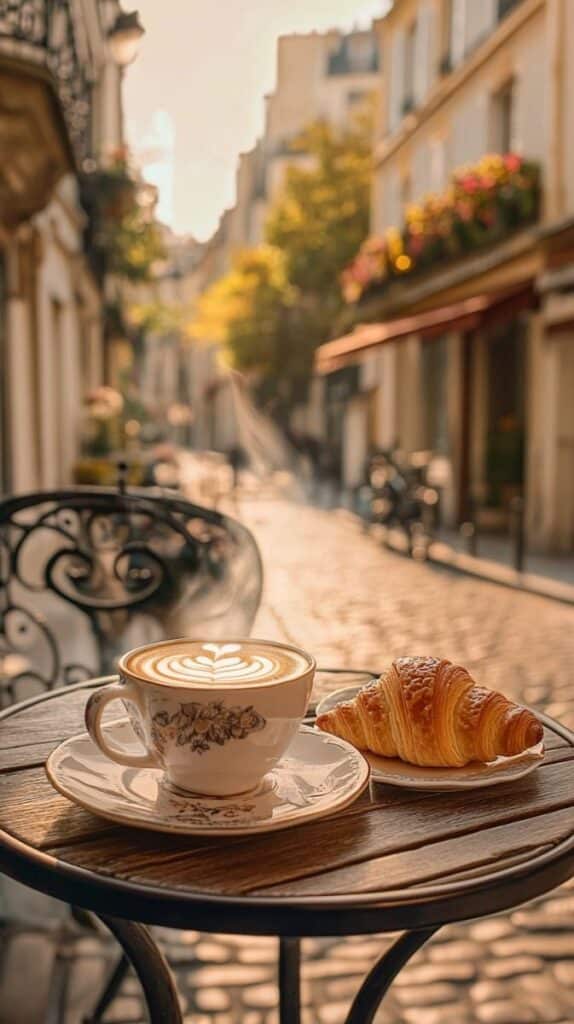
This is what seeing Europe without rushing actually looks like—coffee, a croissant, and nowhere you need to be.
Grab my free Europe Trip Planner — it walks you through how to choose your route, when to go, and how to avoid decision overload before you book anything. [Download the free planner →]
What Does “Not Feeling Rushed” Actually Mean?
Before we compare options, let’s define the goal.
Seeing Europe without rushing means:
Spending more than one night per destination
Not constantly packing/unpacking (aka travel’s least glamorous sport)
Having time to wander, not just “see”
Actually enjoying meals instead of inhaling them between tours
Leaving space for those “this wasn’t planned, but it’s amazing” moments
In other words, we’re aiming for memorable, not marathon.
If you’re going to be moving even a little, a good set of packing cubesmakes unpacking and repacking ridiculously faster and way less chaotic.
Option 1: European Cruises (River vs Ocean)
If your dream vacation includes unpacking once and still waking up in a new destination, cruises might just be your personality type.
Why Cruises Are One of the Best Ways to See Europe Without Rushing
Cruises, especially river cruises, are basically the overachievers of stress-free travel.
You unpack once. Your hotel moves with you. Logistics? Handled.
The perks:
No airport hopping between cities
No dragging suitcases across cobblestones (your back says thank you)
Built-in pacing—your itinerary is structured for you
Scenic sailing time = actual downtime (novel concept, I know)
River Cruise vs Ocean Cruise (Quick Reality Check)
Here’s where things matter.
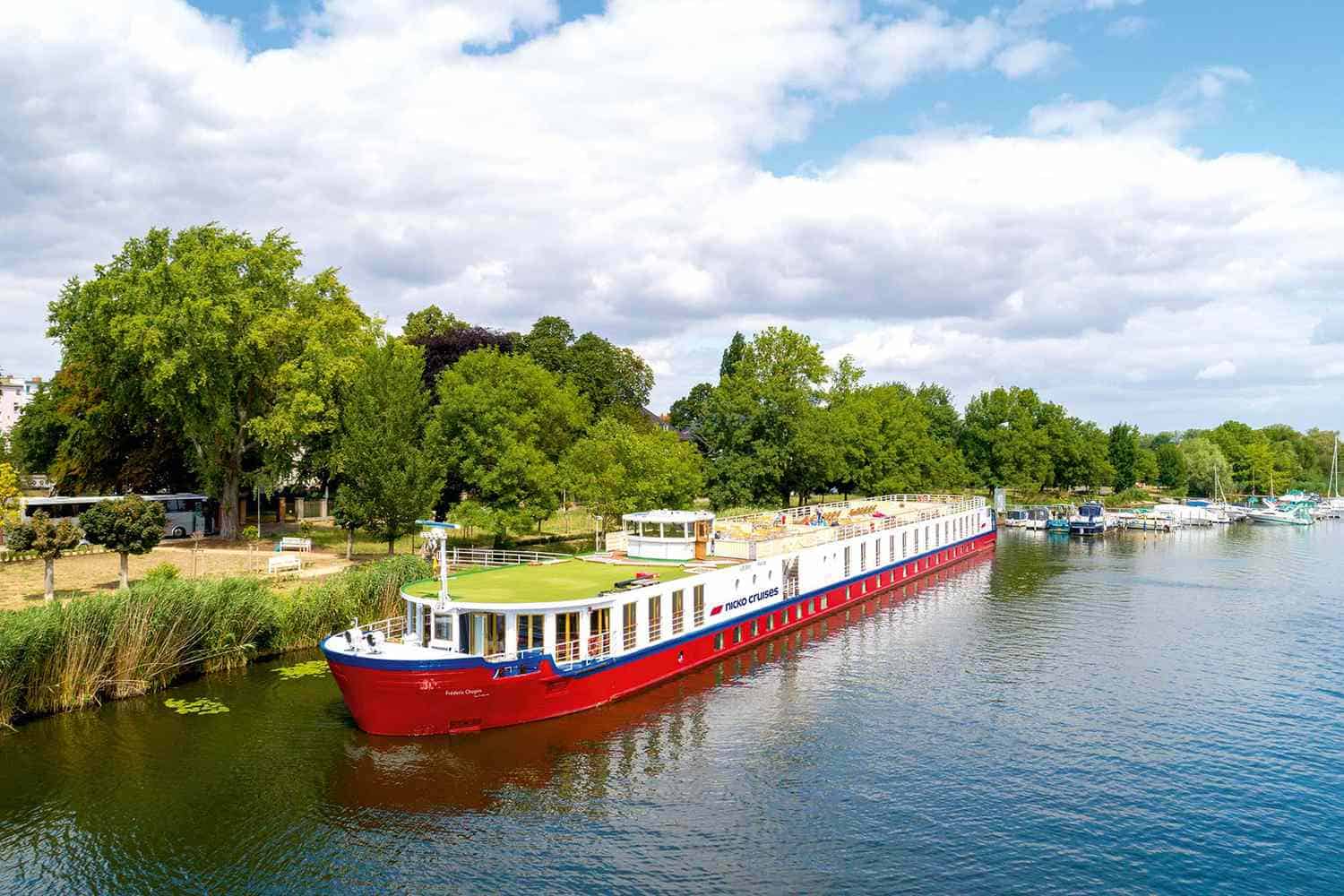
River cruises (Rhine, Danube, Douro): Slower pace, dock right in city centers, fewer crowds, more immersive
Ocean cruises (Mediterranean): More variety, bigger ships, but ports can be farther from city centers
👉 If you want help building a Europe trip that actually feels this relaxed (without overplanning or missing anything), I’mhappy to help you map it out.
Who Land Travel Is Best For
Repeat Europe travelers
Food, wine, and culture lovers
People who like wandering without a plan
Anyone who wants to avoid crowds and chaos
The Trade-Off
You’ll need to handle logistics: transportation, hotels, timing. (or we can do it for you!)
But done right, it’s incredibly rewarding.
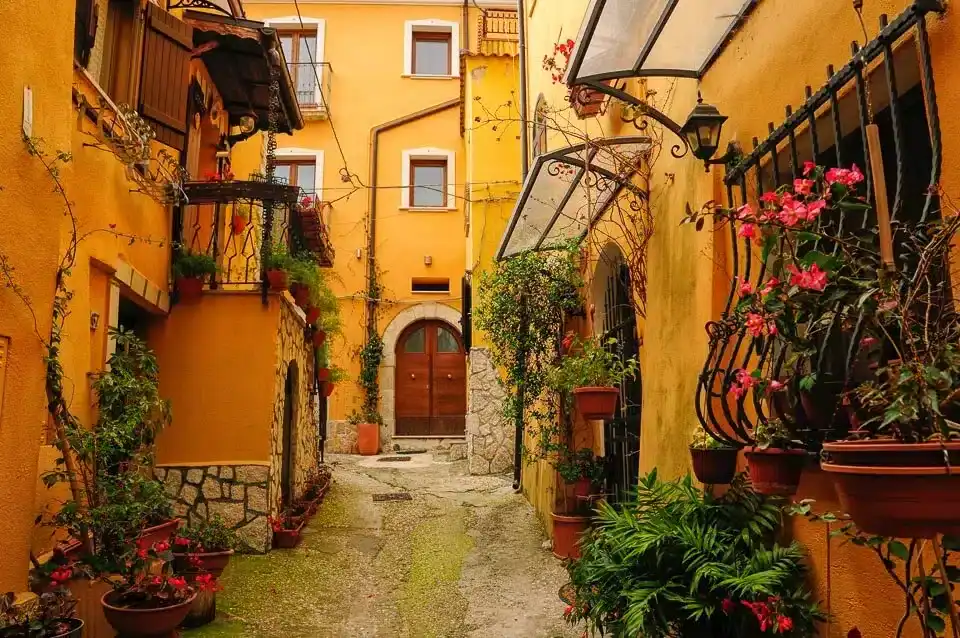
The best parts of Europe aren’t rushed—they’re found down streets like this, with nowhere you need to be.
Option 3: Train Travel (The “Middle Ground” Option)
Ah yes, the European train system. Efficient, scenic, and occasionally the setting for your personal suitcase wrestling match.
Why Train Travel Works for a Slower Europe Trip
Trains give you flexibility without the stress of airports.
The perks:
City-center to city-center travel
Scenic routes (like, actually scenic)
More freedom than cruises
Faster and easier than flying short distances
How to Keep Train Travel from Feeling Rushed
This is key.
Train travel can go either way: relaxed or chaotic.
To keep it on the relaxed side:
Limit to 2–4 destinations total
Avoid one-night stays (just… don’t)
Choose routes under 4 hours when possible
Book seats in advance (trust me)
A lightweight travel backpack (instead of a bulky suitcase) makes hopping on and off trains so much easier—and saves you from the cobblestone struggle.
Example of a Balanced Train Itinerary
Amsterdam (3 nights)
Brussels (2 nights)
Paris (4 nights)
Easy connections. No sprinting required.
Who Train Travel Is Best For
Travelers who want flexibility
People comfortable navigating a bit
Those who like a mix of structure and independence
The Trade-Off
More moving parts than a cruise, less depth than staying put.
It’s the middle child, and honestly, it does a pretty good job.
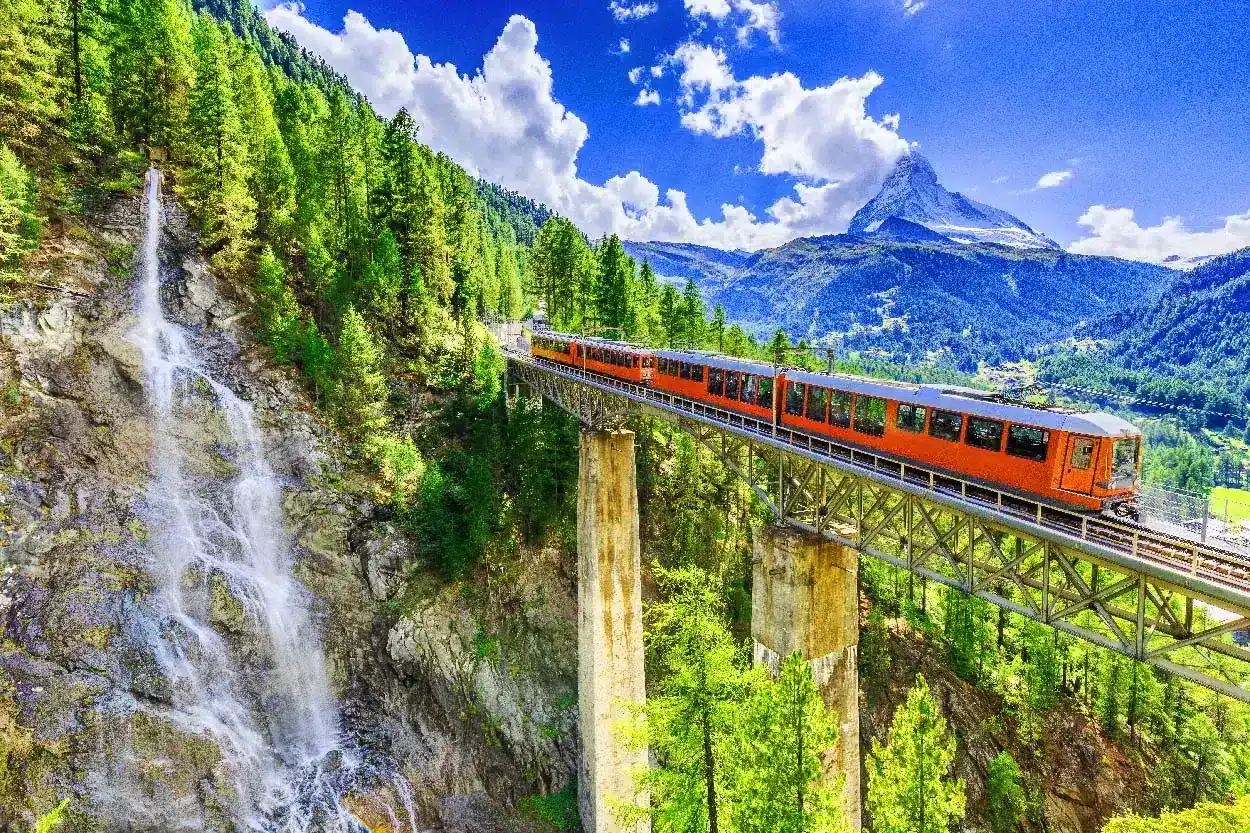
Train travel in Europe isn’t just transportation—it’s part of the experience (and honestly, sometimes the best part).
Quick Answer: Which Travel Style Should You Choose?
Choose a river cruise if you want the easiest, most relaxing experience
Choose land travel if you want deeper cultural immersion
Choose train travel if you want flexibility without flights
Choose an ocean cruise if you want variety with minimal planning
Quick Comparison Chart: Which Travel Style Is Right for You?
Here’s where we simplify your decision (because decision fatigue is real).
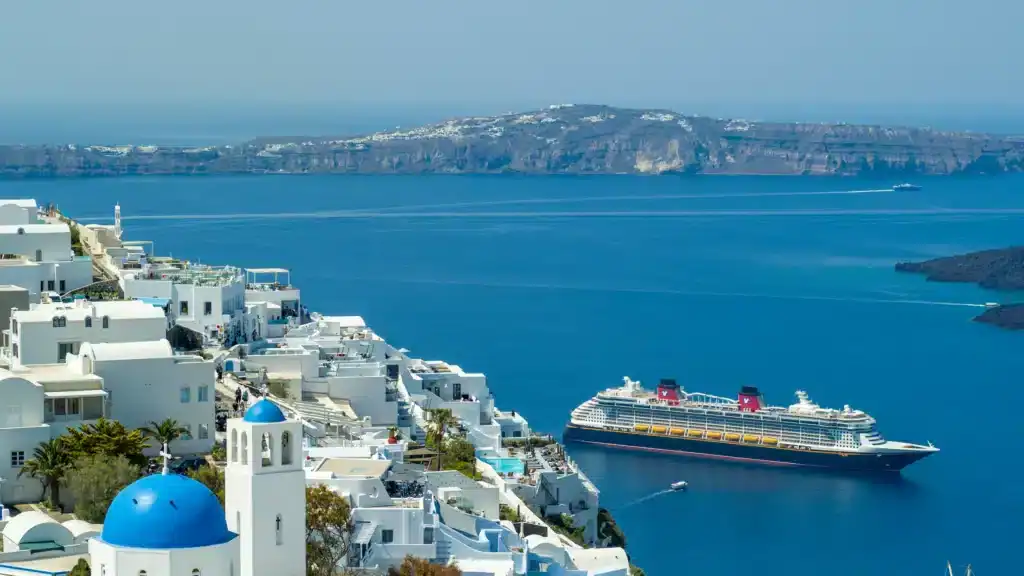
This is how most people plan Europe… and exactly why it ends up feeling rushed.
A Smarter Way to Plan (That Most People Skip)
Instead of asking:
“How many countries can I fit into one trip?”
Ask:
“How do I want this trip to feel?”
Do you want:
Relaxed and easy → cruise
Deep and immersive → land
Balanced and flexible → train
That one shift changes everything.
A Hybrid Approach (The Secret Weapon)
Here’s where it gets interesting.
You don’t have to choose just one.
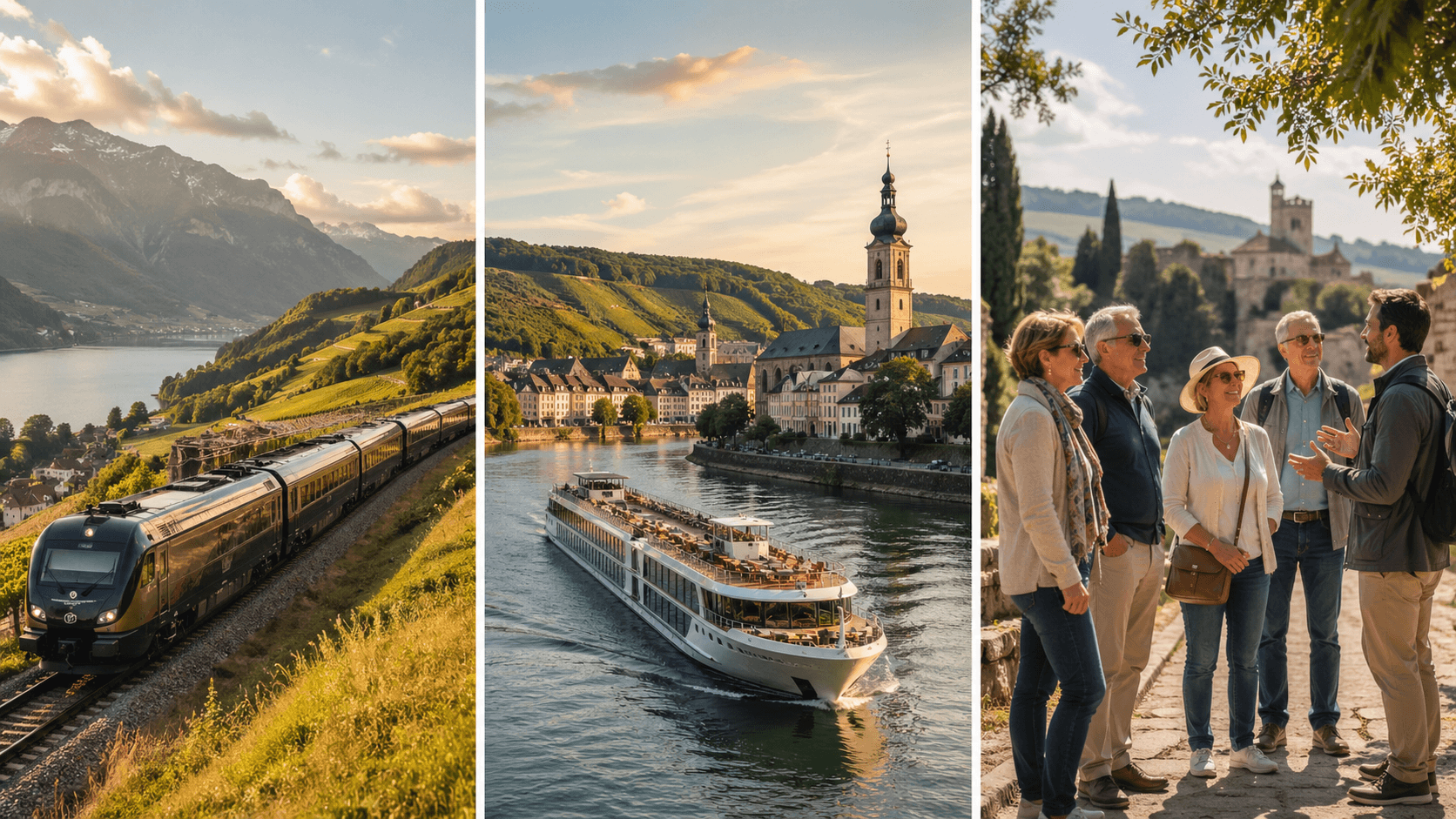
Some of the best Europe trips combine styles:
River cruise + a few extra nights in one city
Train travel within one region
Land stay with one scenic rail journey
Think of it like building your own perfect pace.
This is what happens when you stop rushing—moments like this actually have time to happen.
People Also Ask
Is it better to travel Europe by train or cruise?
Train travel is better for flexibility and exploring multiple regions at your own pace, while cruises are better for minimizing logistics and creating a more relaxed, structured experience.
How do I plan a Europe trip without feeling rushed?
Focus on fewer destinations, stay at least 3–4 nights per location, and choose a travel style that reduces transportation stress.
What is the slowest way to travel Europe?
Land-based travel with longer stays in fewer cities is the slowest and most immersive way to experience Europe.
FAQs
What is the best way to see Europe without rushing?
The best way to see Europe without rushing is to limit destinations and choose a travel style that minimizes logistics. River cruises are the easiest option, while land-based travel offers the deepest experience if you stay longer in fewer places. Train travel works well as a balanced middle option.
How many cities should I visit on a 10-day Europe trip?
For a relaxed trip, aim for 2–3 cities maximum in 10 days. This allows you to spend at least 3–4 nights in each location without constantly moving. Any more than that, and your trip can start to feel rushed.
Is a river cruise better than an ocean cruise for Europe?
For a slower, more immersive experience, river cruises are generally better. They dock in city centers and have fewer crowds, which makes exploring easier and more relaxed. Ocean cruises offer more variety but can feel busier.
Is train travel in Europe stressful?
Train travel is not stressful if you plan it well. Booking tickets in advance, limiting destinations, and choosing shorter routes can make the experience smooth and enjoyable. It’s one of the most scenic ways to travel between cities.
When is the best time to visit Europe to avoid crowds?
The best time to visit Europe without heavy crowds is during the shoulder seasons: May, June, September, and October. These months offer great weather with fewer tourists. Summer is beautiful but significantly busier.
Should first-time travelers choose a cruise or land trip?
First-time travelers often benefit from a cruise because it simplifies logistics and reduces stress. It allows you to see multiple destinations without worrying about transportation or planning details. Land trips are great if you prefer flexibility and deeper exploration.
Final Thoughts (AKA Your Permission to Slow Down)
You do not need to “see everything” in one trip.
In fact, trying to do that is the fastest way to enjoy none of it.
Europe isn’t going anywhere. (Rude, but true.)
The real win is coming home remembering:
The café you lingered in
The street you accidentally found
The moment you didn’t rush
That’s the trip you want.
Grab my free Europe Trip Planner — it walks you through how to choose your route, when to go, and how to avoid decision overload before you book anything. [Download the free planner →]
A Gentle Nudge (Not a Sales Pitch, Promise)
If you’re trying to figure out which style fits you, or how to combine them without creating a logistical nightmare, I’m always happy to help you think it through.
Sometimes the difference between “overwhelming” and “effortless” is just having a plan that actually matches how you like to travel.
Affiliate Disclosure: This post may contain affiliate links. If you make a purchase through one of these links, we may earn a commission at no additional cost to you. We only recommend products and services we believe may be helpful to travelers.
Hi, I'm Sue. I plan cruises, all-inclusive resorts, and slow multi-country trips through Europe, and I'm a member of the Travel Leaders Network. Twenty years in senior HR leadership before this, which mostly taught me how to read what people actually want. I live in Grain Valley, Missouri with my husband and business partner Mike.